CM Himanta Biswa Sarma Signals New Era of Industrial Growth for Assam
Synopsis
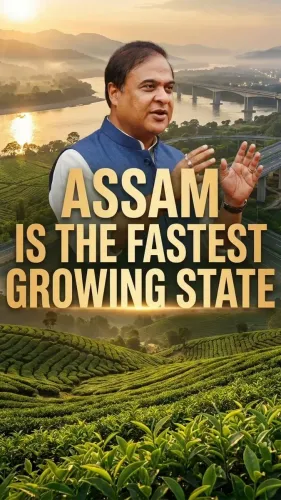
Chief Minister Himanta Biswa Sarma declared on 30 October 2026 that Assam is entering a new era of industrial growth and transformation, urging collective participation to drive the state toward greater prosperity — reaffirming his administration's push to diversify Assam's economy beyond tea, oil, and agriculture.
Key Takeaways
CM Dr Himanta Biswa Sarma publicly declared on 30 October 2026 that Assam is entering a 'new era of industrial growth and transformation.' The statement emphasises 'collective support and participation' of the people as central to the state's economic rise.
Assam's economy has historically depended on tea, oil, and agriculture — diversification remains a key policy priority.
The state sits at the gateway to Southeast Asia, making it strategically significant under India's Act East Policy .
Dr Sarma has served as Chief Minister since May 2021 and has consistently championed industrial investment in the Northeast.
Concrete follow-up — investment data, new projects, and employment figures — will determine whether the declared transformation becomes measurable reality.
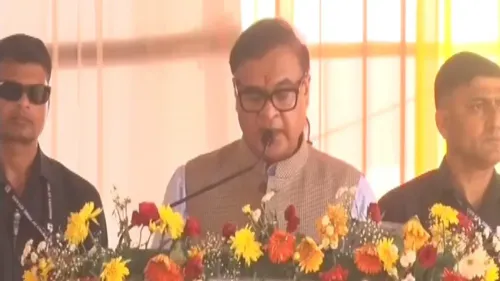
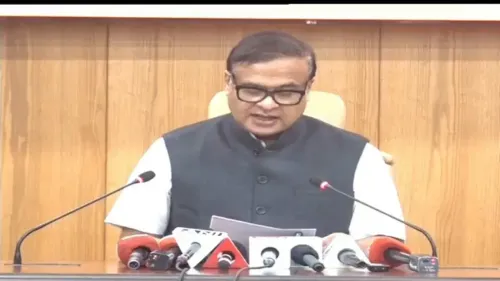
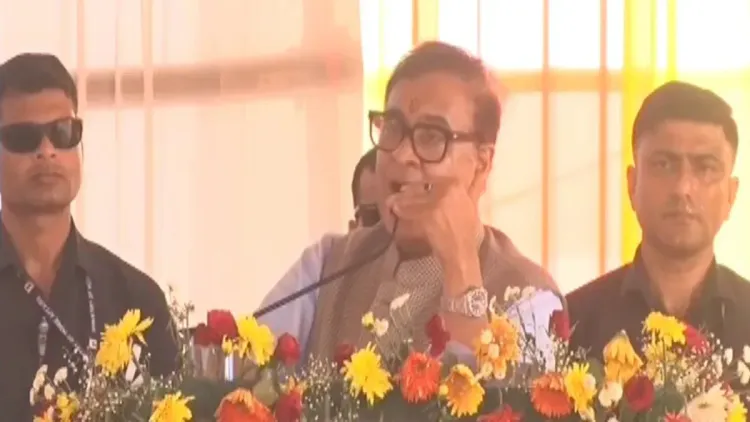
Assam is on the move — and its Chief Minister wants the country to take notice. On Friday, 30 October 2026, the Chief Minister's Office of Assam posted a pointed declaration from Chief Minister Dr Himanta Biswa Sarma, framing the state as a rising industrial destination and signalling collective momentum toward a more prosperous Northeast.
Speaking with characteristic confidence, Dr Sarma stated: 'Assam is witnessing a new era of industrial growth and transformation. With the collective support and participation of our people, we are poised to take the State to greater heights of progress and prosperity.' Short sentences, big stakes — this is a Chief Minister putting industrial ambition on the record.
Beyond Tea Gardens: Assam's Long Push to Diversify
For decades, Assam's economic identity has been anchored in three pillars: tea, oil, and agriculture. That concentration has made the state vulnerable to commodity cycles and limited wage growth for millions of workers. Successive governments have tried — with varying success — to widen the industrial base and attract capital from outside the region.
Dr Sarma, who has served as Chief Minister since May 2021, has positioned himself as the most aggressive advocate of this diversification agenda. Under the national Act East Policy framework, Assam sits at the strategic gateway between mainland India and Southeast Asia — a geography that state and central governments alike have pitched to investors as an underexploited advantage.
What 'Collective Participation' Actually Means for Investors
The language of 'collective support and participation' is deliberate. Industrial growth in Assam has historically faced friction — land acquisition disputes, ethnic community concerns, and infrastructure gaps that deterred large-scale manufacturing. Framing industrial transformation as a people-driven project is as much political messaging as it is policy intent.
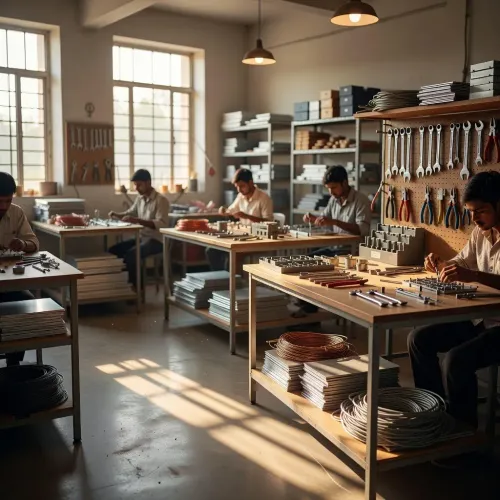
The state has periodically hosted investment summits and announced sector-specific incentive policies, targeting industries such as textiles, food processing, electronics, and tourism. Each of these announcements has carried the promise of jobs and upstream development for a state where per-capita income has lagged national averages.
The Test: Translating Words Into Measurable Outcomes
Declarations of transformation are easy; disbursed capital and commissioned factories are not. The credibility of Dr Sarma's narrative will ultimately rest on follow-up: specific investment commitments, ground-breaking ceremonies, employment figures, and export data that anchor the rhetoric in verifiable reality.
The Chief Minister's October statement arrives as a marker — a public reaffirmation that Assam intends to compete seriously for industrial investment in a Northeast region that is finally attracting serious attention from domestic and international capital alike.
The era he describes is being declared. Whether it is also being built will be the story worth watching.
Point of View
Industrial growth narrative also serves an electoral purpose: demonstrating that the Northeast's development is accelerating under the current dispensation. The framing of 'collective participation' is notable — it signals an attempt to neutralise community-level resistance that has historically slowed project implementation. Until the rhetoric is matched by verifiable capital deployment and job creation data, however, the statement reads as aspiration more than achievement.
NationPress
30 Oct 2026
Frequently Asked Questions
What did Assam CM Himanta Biswa Sarma say about industrial growth?
On 30 October 2026, CM Himanta Biswa Sarma declared that Assam is witnessing a 'new era of industrial growth and transformation' and that the state, with collective public support, is poised to reach greater heights of progress and prosperity.
What industries is Assam trying to develop beyond tea and oil?
Assam has targeted sectors including textiles, food processing, electronics, and tourism as part of its push to diversify an economy historically dependent on tea, oil, and agriculture.
How long has Himanta Biswa Sarma been Chief Minister of Assam?
Dr Himanta Biswa Sarma has served as Chief Minister of Assam since May 2021, when he was elected leader of the BJP-led government in the state.
What is the Act East Policy and how does it relate to Assam?
India's Act East Policy is a national framework to strengthen economic and strategic ties with Southeast Asia. Assam, as a gateway state bordering Bangladesh and close to Myanmar, is central to this policy's infrastructure and investment ambitions.
What are the challenges to industrial growth in Assam?
Assam has historically faced challenges including land acquisition disputes, ethnic community concerns, infrastructure gaps, and below-average per-capita income — all of which have slowed industrial development despite periodic investment drives.