Karnataka Cabinet meets in Mangaluru for first time, eyes Kerala-Goa tourism model for coast
Synopsis
Karnataka's Cabinet travelled to Mangaluru for the first time in the state's history, signalling a serious push to rival Kerala and Goa on coastal tourism — and reopening the politically charged demand for Tulu language recognition. The session is as much about optics as outcomes, but the symbolic weight of an entire government 'at the doorstep' of a long-overlooked region should not be underestimated.
Key Takeaways
Karnataka held its first-ever Cabinet meeting in Mangaluru on 18 September 2026 .
Parameshwara said the government aims to develop the coast on par with Kerala and Goa as a tourism destination.
Mangaluru District In-charge Minister U.T.
Khader promised legally viable regional projects and a youth-focused coastal policy.
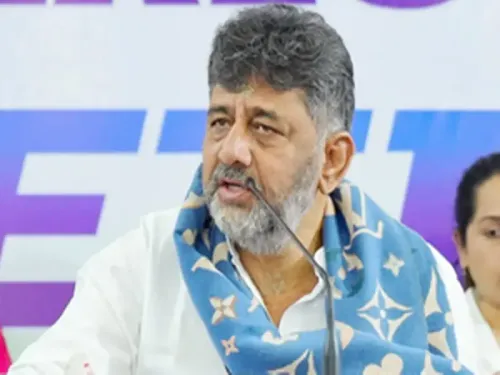
Recognition of the Tulu language was confirmed for discussion at the Cabinet session, with CM D.K.
Shivakumar described as positively disposed.
Kalyan Karnataka's Nanjundappa framework was cited as contrast — the coast, already developed, risks falling behind without sustained targeted investment.
Specific project announcements were expected to follow the Cabinet deliberations.
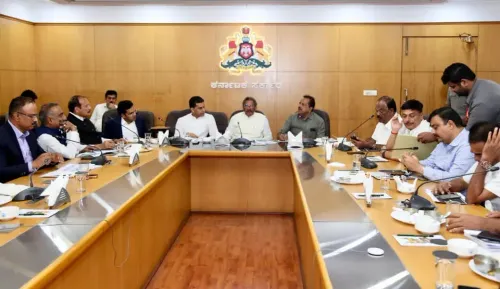
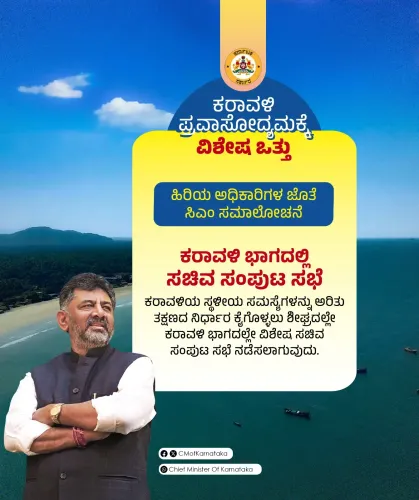
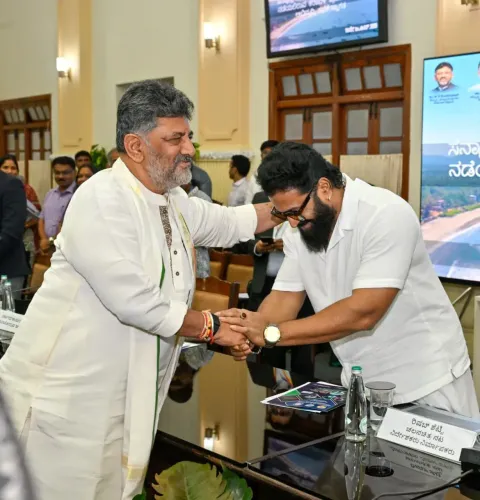
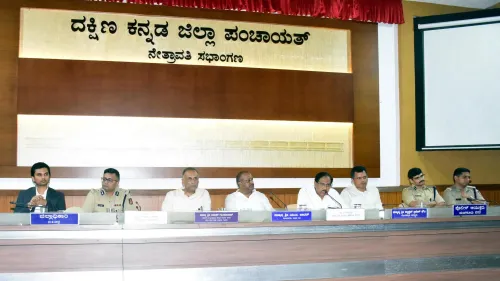
The Karnataka government on 18 September 2026 held its first-ever Cabinet meeting in the coastal city of Mangaluru, with senior ministers framing the session as a landmark moment for a region they said had long awaited focused government attention. State leaders outlined an ambition to develop the Karnataka coast into a tourism powerhouse on par with Kerala and Goa — two states that have turned their shorelines into major economic engines.
Why Mangaluru Was Chosen
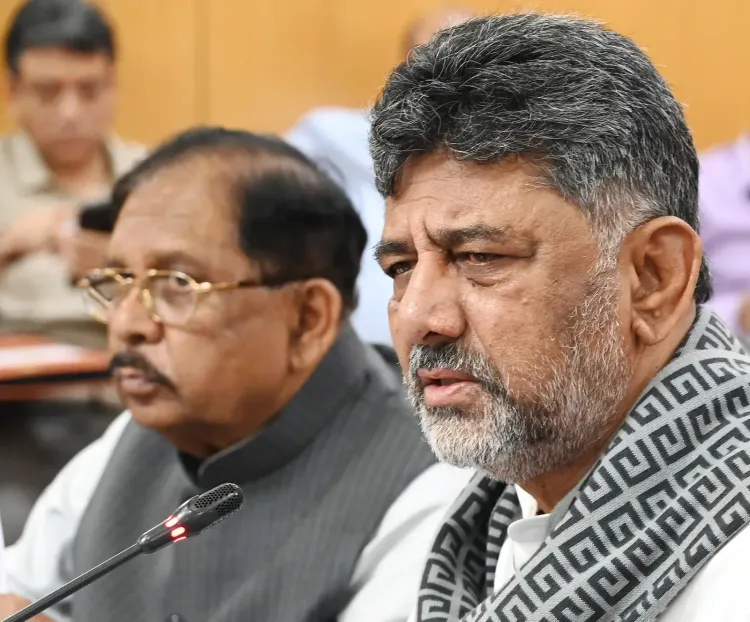
Deputy Chief Minister G. Parameshwara said the choice of venue was deliberate, noting that the coastal belt faced several pressing issues that warranted direct government engagement. 'The coastal region has great potential, particularly in tourism. Kerala and Goa have utilised their coastal areas for tourism. Now, the Chief Minister and I have thought of developing this region on par with them,' Parameshwara said.
This is the first time in the state's history that a full Cabinet has convened outside standard venues to focus on a specific region, making it a symbolic as much as a substantive exercise in governance.
What Ministers Promised the Region
Health, Minority Affairs and Waqf Minister U.T. Khader, who also serves as Mangaluru District In-charge Minister, said the government's presence in Mangaluru was a demonstration of moral solidarity. 'For the first time, a Cabinet meeting is being held in the coastal region. The entire government has come to the doorstep of the coastal region today. Whatever the demands of the region are, projects that are legally viable will be implemented,' Khader said.
Khader added that a dedicated policy would be formulated to recognise the potential of coastal youth, with infrastructure and financial support to follow in subsequent stages. He also flagged an important distinction: unlike underdeveloped regions such as Kalyan Karnataka — which has the Nanjundappa report guiding its growth — the already-developed coastal belt risks stagnation without sustained investment. 'Regions like ours, which are already developed, also need programmes for further development. Otherwise, we will go backwards,' he said.
Tulu Recognition Back on the Table
One of the most politically charged demands from the coastal region — official recognition of the Tulu language — came up ahead of the Cabinet session. Khader described Tulu as 'the soul of the coastal region,' reflecting its culture and heritage, and confirmed that Chief Minister D.K. Shivakumar was positively disposed to the demand. 'Preserving culture means preserving the language. The Chief Minister is positive about this, and the issue will come up for discussion at the Cabinet meeting,' Khader said.
The Tulu-speaking community, concentrated largely in the Dakshina Kannada and Udupi districts, has long sought inclusion in the Eighth Schedule of the Constitution — a demand that has found limited traction at the Centre over successive governments.
Government Pushes Back on Critics
Home, IT and BT Minister Priyank Kharge acknowledged that the out-of-town Cabinet had drawn criticism, but said the administration would not be distracted. 'Whether the government coming to your doorstep is good or bad, and whether giving a blueprint for development is good or bad, criticism cannot be our answer. We will focus on development,' Kharge said.
Puttur Congress MLA Ashok Rai echoed the sentiment, calling the session a moment for the history books and noting that Shivakumar was personally invested in elevating Mangaluru's profile as a tourism destination. Specific project announcements were expected to follow the Cabinet deliberations.
What Comes Next
The Cabinet meeting was expected to take up a slate of region-specific proposals, ranging from tourism infrastructure and coastal connectivity to the Tulu language recognition demand. The outcome will be closely watched by stakeholders across Dakshina Kannada, Udupi, and Uttara Kannada districts — the three districts that form Karnataka's coastal corridor. Whether the session translates into budgeted schemes or remains aspirational will determine how the government's coastal gamble is judged.
Point of View
But the test is whether it produces funded commitments rather than aspirational road maps. The Kerala-Goa tourism comparison has been made before by Karnataka politicians — the coastal belt's infrastructure gap, particularly in hospitality, connectivity, and environmental governance, has not closed despite years of similar rhetoric. The Tulu recognition demand is the more consequential item on the table: if the state government moves on it, it shifts the political calculus on Eighth Schedule inclusion in a way that no infrastructure announcement can. Khader's pointed remark about already-developed regions needing sustained investment — not just catch-up spending — is the sharpest analytical observation of the day, and one that state budgets have historically ignored.
NationPress
18 Sept 2026
Frequently Asked Questions
Why did the Karnataka Cabinet meet in Mangaluru for the first time?
The Karnataka Cabinet convened in Mangaluru on 18 September 2026 to directly address the pressing issues of the coastal region and signal government commitment to its development. Deputy CM G. Parameshwara said the session was called because the coast faces several unresolved demands and has significant untapped tourism potential.
What is Karnataka's plan to develop the coast like Kerala and Goa?
The government has expressed intent to develop Karnataka's coastal belt as a leading tourism destination on par with Kerala and Goa, which have leveraged their coastlines into major economic assets. Specific infrastructure and financial support measures were expected to be announced following Cabinet deliberations, with a dedicated youth-focused coastal policy also on the agenda.
What is the Tulu language recognition demand and where does it stand?
Tulu is a language spoken predominantly in the Dakshina Kannada and Udupi districts of Karnataka, and its speakers have long sought inclusion in the Eighth Schedule of the Indian Constitution. Minister U.T. Khader confirmed the issue was tabled for discussion at the Mangaluru Cabinet meeting, adding that CM D.K. Shivakumar is positively disposed to the demand.
Which districts does the Karnataka coastal region cover?
Karnataka's coastal corridor spans three districts — Dakshina Kannada, Udupi, and Uttara Kannada — and is home to the Tulu-speaking community. These districts were the primary focus of the Mangaluru Cabinet session.
What is the Nanjundappa report mentioned by Minister Khader?
The Nanjundappa report is a framework specifically designed to guide the development of the underdeveloped Kalyan Karnataka region in the state's north. Khader cited it to argue that while backward regions have a dedicated development blueprint, already-developed zones like the coast also need sustained investment programmes to avoid stagnation.