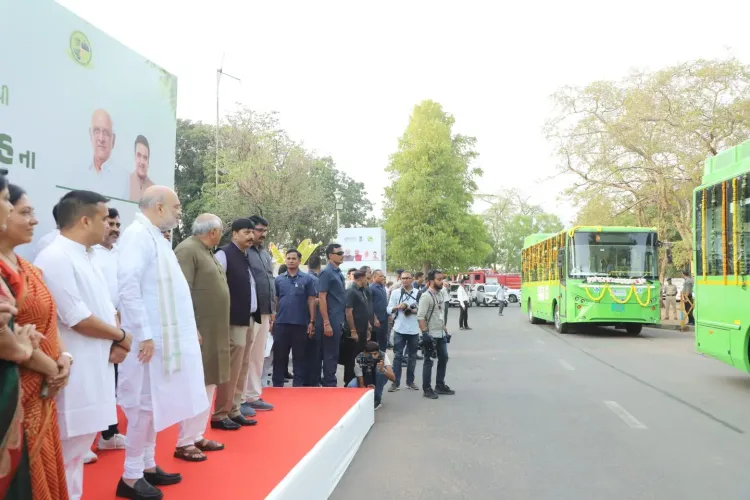
Amit Shah flags off 40 PM eBus Sewa electric buses in Gandhinagar
Synopsis
Home Minister Amit Shah's flag-off of 40 electric buses in Gandhinagar is more than a local transit upgrade — it is the first visible delivery of a ₹57,613 crore national bet on urban electric mobility. With free travel for 15 days and digital-only ticketing, Gandhinagar is being positioned as the test case for 10,000 e-buses across India.
Key Takeaways
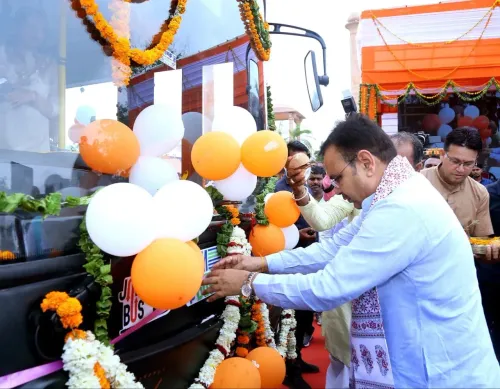
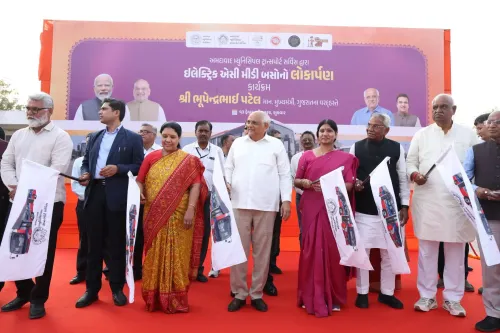
Home Minister Amit Shah flagged off 40 electric buses under PM eBus Sewa in Gandhinagar on 28 June .
The first phase is part of a sanctioned fleet of 100 electric midi buses for the Gujarat capital, operated by GGTSL .
Nationally, PM eBus Sewa targets 10,000 electric buses with a total outlay of ₹57,613 crore , including ₹20,000 crore from the Centre.
Buses run on 18 routes ; fares range from ₹5 to ₹30 based on distance.
Travel is free for the first 15 days ; children under five travel free thereafter.
A dedicated depot and charging hub at Sargasan was built at an estimated cost of ₹17 crore .
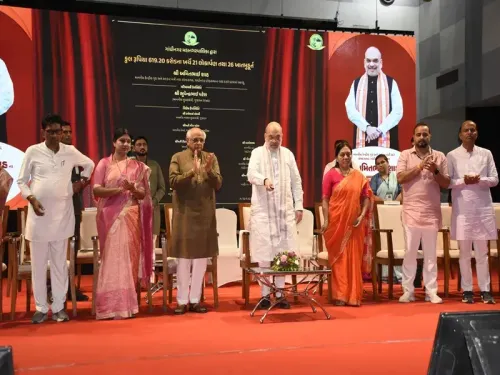
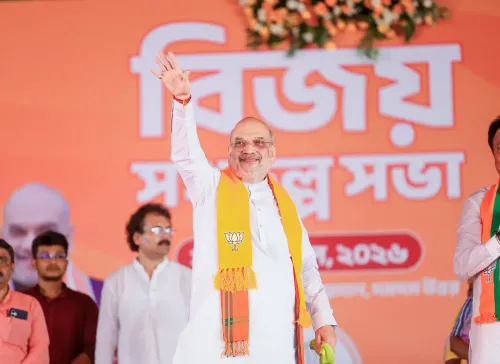
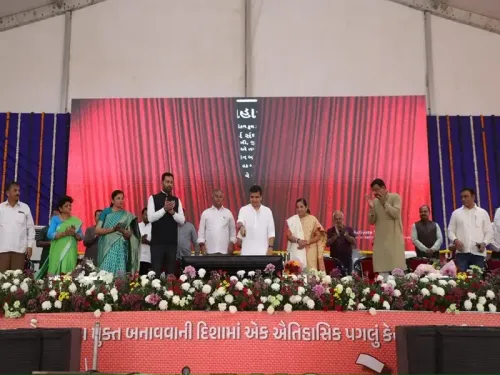
Union Home Minister Amit Shah on Sunday, 28 June flagged off 40 electric buses under the PM eBus Sewa scheme in Gandhinagar, marking the first phase of the Centre's flagship urban electric mobility initiative in the Gujarat capital. Gujarat Chief Minister Bhupendra Patel and Deputy Chief Minister Harsh Sanghavi were present at the launch.
First Phase of a Larger Rollout
The 40 buses flagged off on Sunday represent the opening tranche of a sanctioned fleet of 100 electric midi buses for Gandhinagar. Operations will be managed by the Gandhinagar Greenline Transport Service Limited (GGTSL), a special-purpose vehicle set up by the Gandhinagar Municipal Corporation. The remaining 60 buses are expected to be inducted in subsequent phases.
Nationally, the PM eBus Sewa scheme carries an estimated outlay of ₹57,613 crore, of which the Central Government's direct contribution stands at ₹20,000 crore. Structured on a Public-Private Partnership (PPP) model, the scheme targets deployment of 10,000 electric buses across Indian cities.
Bus Specifications and Accessibility Features
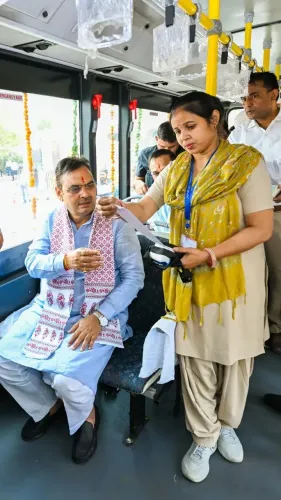
Each of the 40 buses is a fully air-conditioned, nine-metre-long electric midi bus with seating for 25 passengers and standing room for 13 more. Notably, every bus is fitted with a hydraulic ramp for persons with disabilities. Four seats are reserved for women and another four for senior citizens — a design choice that signals an intent to make the service genuinely inclusive rather than merely green.
Ticketing is fully digital: buses carry Electronic Ticketing Machines (ETMs) that accept QR codes, UPI, and other cashless payment modes.
Routes, Fares, and Infrastructure
The fleet will run on 18 planned routes linking Gandhinagar with key destinations including Sargasan, GIFT City, IIT Gandhinagar, Gandhinagar Railway Station, Mahatma Mandir, Chiloda, Dahegam, Kadi, Kalol, and Chandkheda, among others. Fares are distance-based, ranging from ₹5 for journeys under 3 km to ₹30 for trips exceeding 20 km. The intermediate slabs are ₹10 (3–5 km), ₹15 (5–8 km), ₹20 (8–14 km), and ₹25 (14–20 km).
A dedicated depot and charging facility has been developed at Sargasan at an estimated cost of ₹17 crore, incorporating charging stations, maintenance infrastructure, and operational control systems.
Free Travel Window and Ongoing Concessions
To seed ridership, the Gandhinagar Municipal Corporation has announced that travel on the new service will be free for the first 15 days from the launch date. Beyond that window, children below the age of five will continue to ride free of charge.
With the first phase now operational, attention turns to the pace of inducting the remaining 60 sanctioned buses and whether ridership numbers in Gandhinagar can serve as a proof-of-concept for the broader national rollout of 10,000 electric buses under PM eBus Sewa.
Point of View
Making the flag-off as much a constituency deliverable as a national policy milestone. The real question is execution velocity: with only 40 of 100 sanctioned buses operational and a 10,000-bus national target, the scheme's credibility will hinge on how quickly the remaining fleet is inducted and whether ridership in a relatively small city like Gandhinagar justifies the ₹57,613 crore national commitment. The 15-day free-ride window is a smart demand-seeding move, but converting trial users into paying commuters is where urban transit schemes in India have historically struggled.
NationPress
28 Jun 2026
Frequently Asked Questions
What is the PM eBus Sewa scheme?
PM eBus Sewa is a Central Government initiative to deploy 10,000 electric buses across Indian cities under a Public-Private Partnership model, with a total outlay of ₹57,613 crore and a Central contribution of ₹20,000 crore. It aims to provide cleaner, more accessible urban public transport.
How many electric buses were launched in Gandhinagar and who operates them?
40 electric midi buses were flagged off on 28 June as the first phase of 100 buses sanctioned for Gandhinagar. They are operated by Gandhinagar Greenline Transport Service Limited (GGTSL), set up by the Gandhinagar Municipal Corporation.
What are the bus fares for the Gandhinagar PM eBus Sewa service?
Fares are distance-based, starting at ₹5 for journeys under 3 km and rising to ₹30 for trips over 20 km. Intermediate slabs are ₹10 (3–5 km), ₹15 (5–8 km), ₹20 (8–14 km), and ₹25 (14–20 km). Travel is free for the first 15 days after launch.
Which areas does the Gandhinagar electric bus service cover?
The buses operate on 18 routes connecting Gandhinagar with destinations including GIFT City, IIT Gandhinagar, Gandhinagar Railway Station, Mahatma Mandir, Sargasan, Chiloda, Dahegam, Kadi, Kalol, and Chandkheda, among others.
What accessibility and digital features do the new Gandhinagar e-buses have?
Each bus has a hydraulic ramp for persons with disabilities, four reserved seats for women, and four for senior citizens. Ticketing is fully digital via Electronic Ticketing Machines supporting QR codes, UPI, and other cashless payment methods.