Encounter killings in India: How a word became a legal flashpoint
Synopsis
A single word — 'encounter' — has done more to reshape India's policing vocabulary than almost any other. From Naxal-era West Bengal to Mumbai's underworld crackdowns, it evolved from a neutral term into a legal and political flashpoint. The latest West Bengal CID probe is a reminder that the debate over what actually happens in these 'encounters' is far from settled.
Key Takeaways
The West Bengal government has ordered a CID probe into the 'encounter' killing of a suspect accused in the rape and murder of a 12-year-old girl in Baruipur, South 24 Parganas .
The term 'encounter' acquired its Indian meaning of a police killing in the late 1960s , gaining currency during the rise of Naxalism in West Bengal.
Mumbai Police officer Daya Nayak reportedly led around 86 encounters against criminals in the late 1990s–early 2000s , becoming a defining figure of the phenomenon.
The Oxford Learner's Dictionaries formally lists the Indian English definition: 'an incident in which police shoot dead a suspected criminal.' Human rights groups warn that normalising 'encounter' as an outcome shifts institutional incentives away from investigation and trial toward extrajudicial resolution.
The word encounter — neutral in standard English, meaning a chance meeting or clash — has acquired a distinctly Indian legal and political identity over decades, effectively becoming a euphemism for the extrajudicial killing of suspects by police. A recent incident in West Bengal has once again thrust the term into the national spotlight, reigniting long-standing debates over rule of law, due process, and accountability.
The West Bengal Case That Revived the Debate
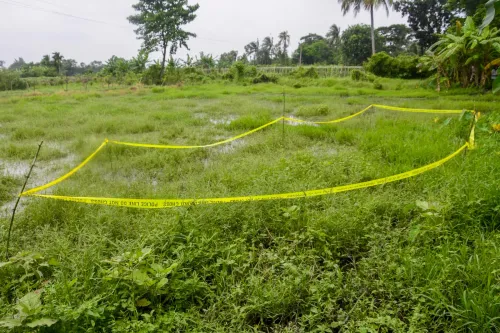
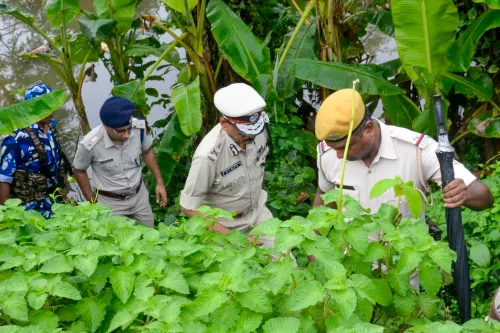
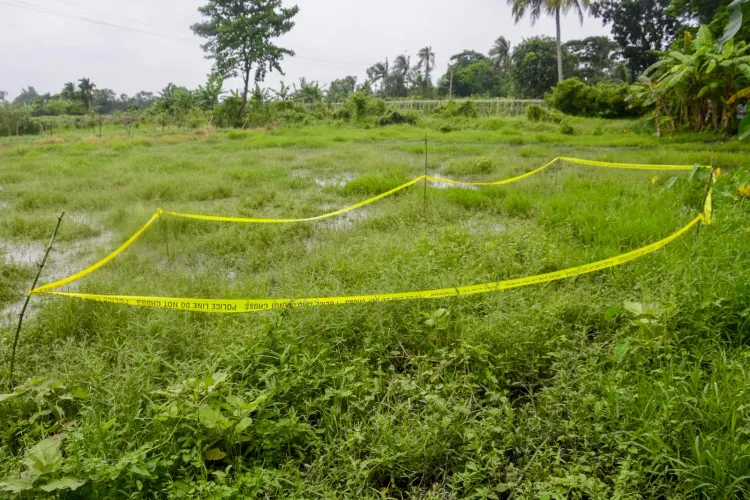
The West Bengal government has assigned the Criminal Investigation Department (CID) to probe the 'encounter' killing of one of the four individuals accused in the alleged rape and murder of a 12-year-old girl at Baruipur in South 24 Parganas district. The CID has been directed to submit a formal report. The case has drawn sharp attention to how suspects die in police custody before courts can determine guilt — and whether such deaths are ever truly the result of armed confrontation.
How the Term Took Root in India
Linguists and historians of Indian policing trace the word's transformation to the late 1960s, with its unique meaning firmly embedded in the lexicon by the mid-1970s. The rise of Naxalism in West Bengal, marked by daily reports of violence and bloodshed, is widely credited with giving the term its altered meaning — even entering the Bangla language. News reports of the era routinely carried phrases such as 'killed in encounter', implying an exchange of fire with activists or criminals who could not be subdued and were eliminated in self-defence.
The term spread beyond West Bengal as police forces in cities including Mumbai, Chennai, Kolkata, and Ghaziabad reported a high frequency of such incidents from the late 20th century onward, according to widely cited accounts. Some killings were celebrated publicly; others were later found by investigators to have been staged.
The Daya Nayak Chapter
No figure better illustrates the encounter phenomenon than Daya Nayak, a Mumbai Police officer who earned the epithet 'encounter specialist' during his tenure in the late 1990s and early 2000s. He reportedly led around 86 police encounters against hardened criminals, including noted gangsters and terror elements, making him one of the most prominent figures in the Mumbai Police. His operations were documented in books and depicted on screen. His career, however, was not without controversy — he faced corruption allegations and a prolonged suspension before being acquitted and reinstated, eventually retiring from service.
What Dictionaries and Legal Bodies Say
The shift is now formally acknowledged by major lexical authorities. The Oxford Learner's Dictionaries lists, under a parenthetical note reading 'Indian English', the definition: 'an incident in which police shoot dead a suspected criminal.' The Cambridge Dictionary defines encounter broadly as an unexpected meeting or an unpleasant experience, while Merriam-Webster includes 'a sudden often violent clash' among its meanings.
According to widely cited reference material, encounter killings are described as a euphemism used in India and Pakistan to refer to extrajudicial killings by security forces, with officers typically describing incidents as shootouts — often allegedly initiated when a suspect reaches for an officer's weapon. It is also noted that police officers are occasionally killed in such incidents, though relatively rarely.
The Rights Concern and What Comes Next
Human rights organisations have long cautioned that normalising the term erodes due process. Critics argue that when 'encounter' becomes shorthand for a desirable outcome, institutional incentives shift away from investigation and trial toward immediate lethal resolution. High-profile encounters have, in some states, bolstered political careers; in others, subsequent inquiries exposed staged shootings and custodial abuses.
The transformation of the word is, as observers note, not merely a matter of linguistic drift — it is social and political, reflecting decades of tension between law enforcement imperatives and constitutional guarantees. With the West Bengal CID inquiry now under way, the question of accountability in encounter cases is once again before the public and, potentially, the courts.
Point of View
Not as a matter of institutional routine. India has never enacted a standalone law governing the use of lethal force by police, leaving accountability to post-hoc inquiries that rarely result in conviction. The Oxford Dictionary's formal recognition of the Indian English meaning is, in its own way, an indictment — when a euphemism for extrajudicial killing earns a dictionary entry, normalisation is already complete. The real question is whether the CID inquiry in West Bengal will follow the pattern of past probes that generated reports but no prosecutions.
NationPress
8 Oct 2026
Frequently Asked Questions
What is an 'encounter killing' in the Indian context?
In India, an encounter killing refers to the death of a suspect in police firing, typically described officially as a shootout initiated by the suspect. The Oxford Learner's Dictionaries formally defines it under 'Indian English' as 'an incident in which police shoot dead a suspected criminal.' Critics and human rights groups have long alleged that many such incidents are staged extrajudicial killings rather than genuine armed confrontations.
Why is the West Bengal encounter case significant?
The West Bengal government has directed the CID to investigate the encounter killing of one of the four accused in the alleged rape and murder of a 12-year-old girl in Baruipur, South 24 Parganas. The case is significant because it raises questions about whether suspects are being eliminated before trial rather than being produced in court, reigniting national debate on due process and police accountability.
When did the word 'encounter' acquire its Indian meaning?
The term is widely believed to have taken on its Indian meaning of a police killing in the late 1960s, with its usage firmly established by the mid-1970s. The rise of Naxalism in West Bengal, which generated daily reports of violent clashes, is credited with introducing the word — even in Bangla — into public discourse in this specific sense.
Who is Daya Nayak and why is he associated with encounters?
Daya Nayak is a former Mumbai Police officer who became known as an 'encounter specialist' for reportedly leading around 86 police encounters against gangsters and terror elements in the late 1990s and early 2000s. His career was widely documented in books and films, though he also faced corruption allegations and a prolonged suspension before being acquitted and reinstated, eventually retiring from service.
What do human rights groups say about encounter killings?
Human rights organisations argue that normalising the term 'encounter' erodes due process by shifting institutional incentives away from investigation and trial toward immediate lethal resolution. They allege that in several documented cases, police created 'fake encounters' to eliminate suspects, and that accountability mechanisms — including CID probes — have historically produced limited prosecutorial outcomes.