Bankipur by-election 2025: How Prashant Kishor won BJP's urban fortress by 19,324 votes
Synopsis
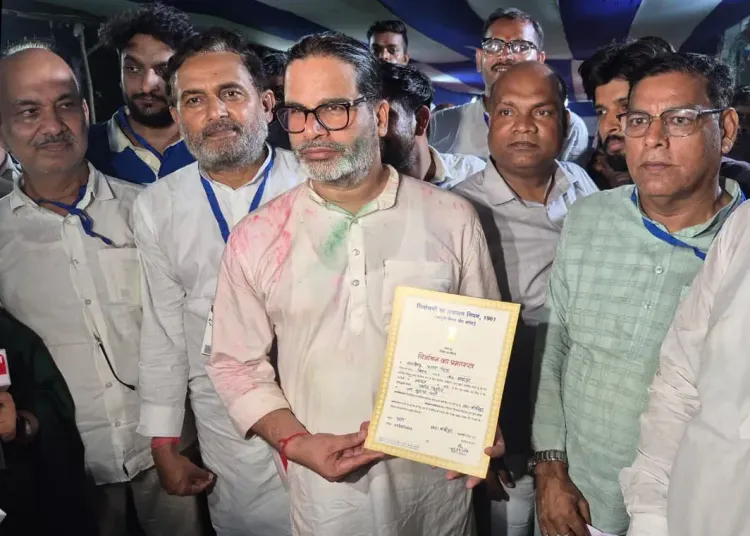
Nine months after the NDA swept 202 of Bihar's 243 seats, Prashant Kishor has cracked open one of the BJP's most prized urban fortresses — Bankipur — by 19,324 votes. The win is Jan Suraaj's first major electoral proof-of-concept and a direct challenge to the assumption that Bihar's urban caste arithmetic is immovable.
Key Takeaways
Prashant Kishor won the Bankipur Assembly by-election with 64,515 votes , defeating BJP's Neeraj Kumar Sinha (44,827 votes) by a margin of 19,324 votes .
Bankipur is widely regarded as one of the BJP's safest urban strongholds in Patna , making the loss particularly significant.
The result came just nine months after the NDA won 202 of Bihar's 243 Assembly seats .
Kishor's campaign focused on education, employment, migration , and governance , cutting across traditional caste lines.
Student protests over the NEET controversy and police action in Patna contributed to youth dissatisfaction, which Kishor's campaign leveraged effectively.
The BJP changed its candidate mid-campaign — from Abhishek Kumar to Neeraj Sinha — a decision that reportedly weakened its position further.
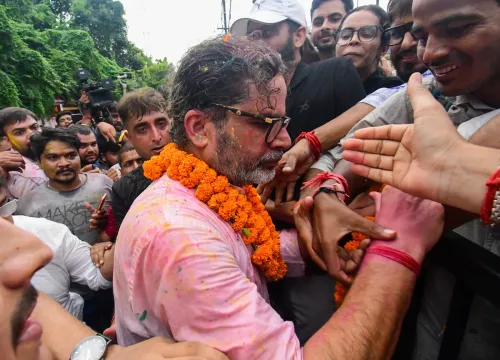
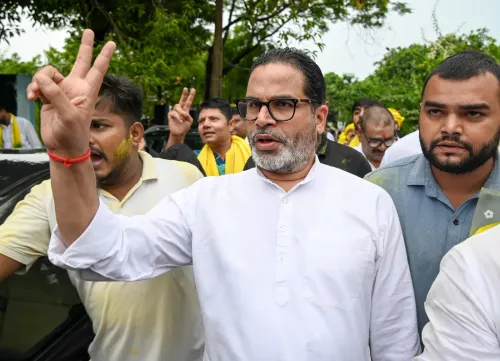
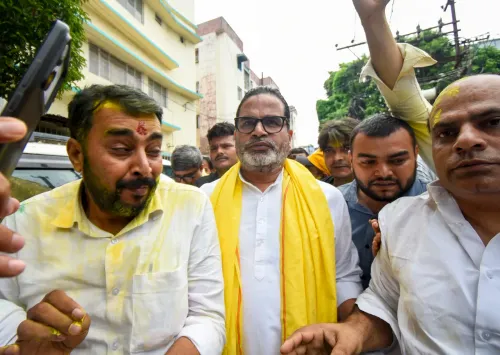
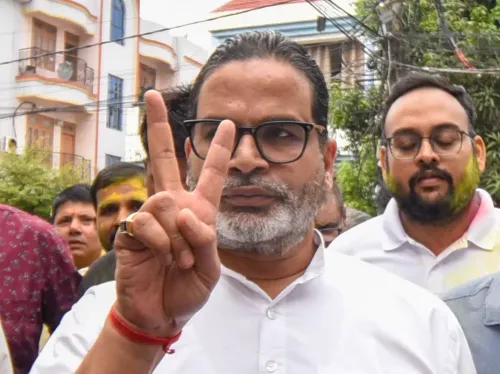
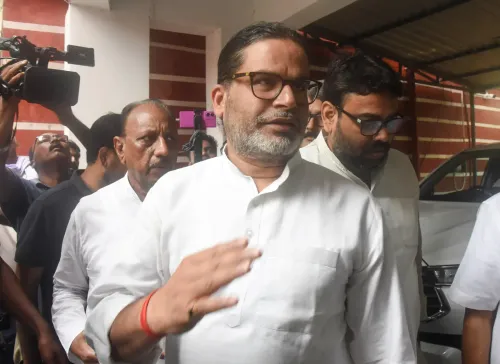
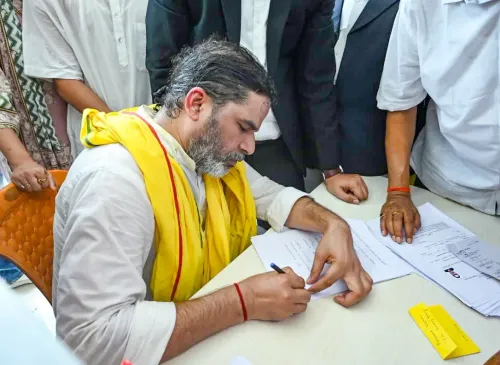
Jan Suraaj founder Prashant Kishor secured a landmark victory in the Bankipur Assembly by-election, defeating Bharatiya Janata Party (BJP) candidate Neeraj Kumar Sinha by a margin of 19,324 votes — a result that has sent shockwaves through Bihar's political establishment. Kishor polled 64,515 votes across 31 rounds of counting, while Sinha secured 44,827 votes. The win, coming just nine months after the National Democratic Alliance (NDA) swept 202 of Bihar's 243 Assembly seats, marks the first major electoral victory for Kishor's fledgling outfit.
Breaking a BJP Stronghold
Bankipur has long been considered one of the BJP's most secure urban constituencies in Patna. The seat's demographic composition — with Kayasthas, Brahmins, Bhumihars, Rajputs, Vaishyas, and Kurmis forming significant sections of the electorate — had traditionally worked in the BJP's favour. The assumption heading into the by-election was that these communities would consolidate once again behind the party. Kishor, however, appears to have disrupted that calculation decisively, drawing support from upper-caste communities as well as sections of the Yadav and Muslim electorate — cutting across conventional caste boundaries.
Campaign Strategy and Key Pressure Points
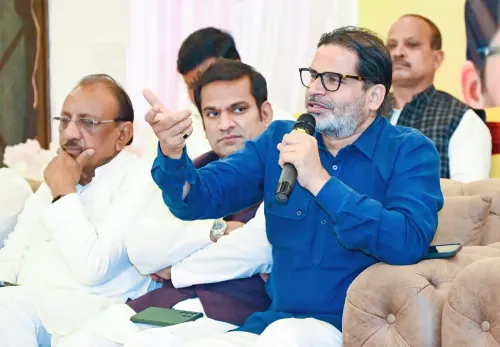
Rather than engaging in traditional caste mobilisation, Kishor framed the contest as a choice between entrenched political power and a new model of governance. His campaign centred on education, employment, migration, and development — themes that resonated with Bankipur's urban voters.
One of the most effective tools in his campaign was a remark attributed to BJP MP from Patna Sahib, Ravi Shankar Prasad. Kishor repeatedly cited the statement to argue that the BJP had grown overconfident about retaining the seat regardless of its candidate. Notably, the complete context of Prasad's remark was different — he had referenced a comment attributed to an entrepreneur and had in fact rejected the idea that the BJP could win by fielding anyone, stressing instead the party's respect for its workers. Kishor, however, focused on the portion that served his campaign narrative, turning it into a recurring punchline that reinforced his central argument: the BJP had begun taking its traditional voters for granted.
The BJP compounded its own difficulties by changing its candidate mid-campaign. The party initially fielded Abhishek Kumar before withdrawing his candidature and replacing him with Neeraj Sinha. The switch gave Kishor a fresh political opening, and Sinha reportedly struggled to establish a comparable public presence against Kishor's command of data, polished communication, and relatively fresh political image.
Youth Anger and the NEET Controversy
The timing of the by-election added another layer of complexity for the BJP. The poll took place shortly after student protests in Patna linked to the broader national agitation over the NEET controversy. Police action against protesting students became a significant political flashpoint, fuelling dissatisfaction among sections of the youth electorate. For Kishor, who had placed education and youth employment at the heart of his messaging, the issue offered an opportunity to frame the election as a referendum on the government's handling of young people's concerns.
Political Undercurrents in Bihar
Beneath the surface, there was also reported dissatisfaction among some voters — particularly among Kurmi and Koiri (Lav-Kush) communities — over the recent change in Bihar's political leadership and the circumstances surrounding Chief Minister Nitish Kumar's tenure. Some voters reportedly interpreted these developments as the BJP marginalising Nitish Kumar, generating quiet resentment that may have found expression at the ballot box.
The tenure of the subsequent government under Samrat Choudhary was also marked by several controversial incidents that fed the opposition's narrative. The Bharat Tiwari encounter case raised questions about policing and the use of force. Reports of firing with an AK-47 assault rifle during student protests in Siwan added to concerns about law and order. Whether these issues directly translated into anti-BJP votes cannot be established without granular booth-level data, but they provided Kishor with a ready-made counter-narrative.
What the Bankipur Result Signals
The Bankipur verdict cannot be reduced to a single cause. Kishor's win appears to be the product of converging forces: an aggressive ground campaign, cross-caste appeal, a weak BJP candidate, youth discontent, and the perception that the ruling establishment had grown disconnected from ordinary citizens. Nine months after the NDA's sweeping Bihar mandate, the BJP's loss in one of its safest urban seats has raised pointed questions about the durability of its electoral dominance — and handed Prashant Kishor both a powerful platform and a credible springboard to expand Jan Suraaj's political ambitions across the state.
Point of View
Long treated as a self-sustaining machine, fractured against a challenger who offered no caste arithmetic of his own, only a governance narrative. That is the more troubling signal: when an electorate as traditionally loyal as Bankipur's defects, it suggests the BJP's organisational depth may be masking a deeper trust deficit in urban Bihar. Kishor has one seat, but he now has the one thing a new political party needs most — proof that it can win. The question Bihar's political class must now answer is whether Bankipur was an isolated protest vote or the first data point in a new trend.
NationPress
3 Aug 2026
Frequently Asked Questions
Who won the Bankipur Assembly by-election 2025?
Jan Suraaj founder Prashant Kishor won the Bankipur Assembly by-election, securing 64,515 votes and defeating BJP candidate Neeraj Kumar Sinha by a margin of 19,324 votes. Sinha polled 44,827 votes across 31 rounds of counting.
Why is the Bankipur by-election result significant?
Bankipur has long been considered one of the BJP's safest urban constituencies in Patna, with a traditional caste base of Kayasthas, Brahmins, Bhumihars, Rajputs, Vaishyas, and Kurmis. The loss is especially striking because it came just nine months after the NDA swept 202 of Bihar's 243 Assembly seats.
What strategy did Prashant Kishor use to win Bankipur?
Kishor ran a campaign centred on education, employment, migration, and governance rather than conventional caste mobilisation. He also leveraged a remark attributed to BJP MP Ravi Shankar Prasad to argue the party had grown overconfident, and capitalised on youth anger over the NEET controversy and police action against student protesters in Patna.
Why did the BJP struggle in Bankipur?
The BJP faced multiple headwinds: a mid-campaign candidate change from Abhishek Kumar to Neeraj Sinha, reported voter dissatisfaction over Bihar's political leadership change, and the fallout from student protests linked to the NEET controversy. Sinha also reportedly failed to match Kishor's public communication and ground presence.
What does the Bankipur result mean for Jan Suraaj's future in Bihar?
The victory gives Jan Suraaj its first major electoral proof-of-concept and hands Prashant Kishor a credible platform to expand the party's presence across Bihar. It signals that a governance-focused, cross-caste appeal can crack constituencies previously considered impregnable — a potentially replicable model ahead of future state elections.