Trump Signs Executive Order on Aug 3, 2026

Synopsis
President Donald Trump signed an executive order on August 3, 2026, the White House announced. The subject of the order has not been publicly detailed, though executive orders carry immediate federal legal force and often carry significant implications for U.S. domestic and foreign policy.
Key Takeaways
President Donald Trump signed an executive order on August 3, 2026 , the White House officially confirmed.
The subject and scope of the order have not been publicly disclosed at the time of announcement.
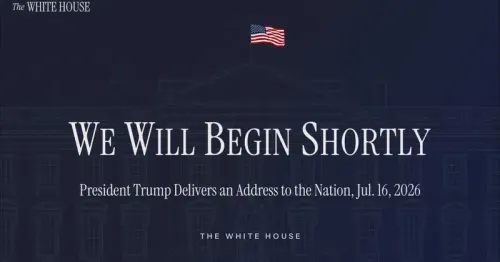
The signing was accompanied by a live broadcast link, indicating the White House intended high public visibility for the event.
Executive orders carry the force of federal law and take effect without requiring congressional approval.
Full details are expected to be published in the Federal Register , the official U.S. government journal.
For India , Trump-era executive orders have previously had direct implications for H-1B visas , trade tariffs, and bilateral policy frameworks.
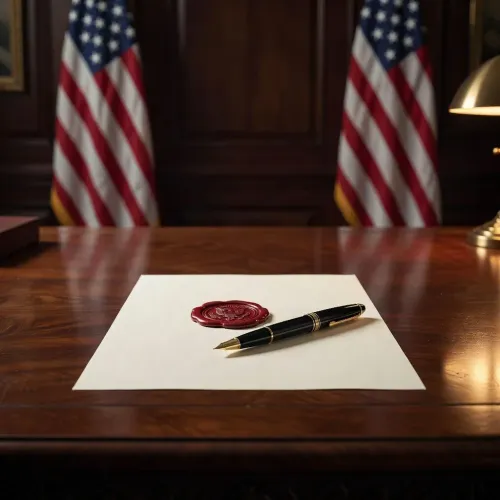
With a stroke of the pen, President Donald Trump signed an executive order on August 3, 2026, the White House confirmed — but the substance of the order, and the policy terrain it reshapes, remains the story yet to fully unfold.
The White House announced the signing via its official communications channel, noting the date but offering no immediate elaboration on the order's subject matter. Executive orders carry the force of federal law and take effect without congressional approval, making each signing a consequential act of presidential authority.
What executive orders mean in practice
Under the U.S. Constitution, a president may issue executive orders to direct the operations of the federal government, reshape regulatory frameworks, or signal major policy shifts. Trump, across his presidential terms, has used the instrument aggressively — from immigration and energy policy to trade and national security — making each new order a closely watched event both in Washington DC and in capitals worldwide, including New Delhi.
Why this matters beyond U.S. borders
For India, executive orders from the Trump White House have carried direct implications in areas including H-1B visa policy, trade tariffs, and defence cooperation frameworks. Any order touching these domains can ripple quickly into Indian boardrooms, IT sector pipelines, and diplomatic corridors. Until the full text of this order is released, the precise scope of its impact — domestic or international — remains to be assessed.
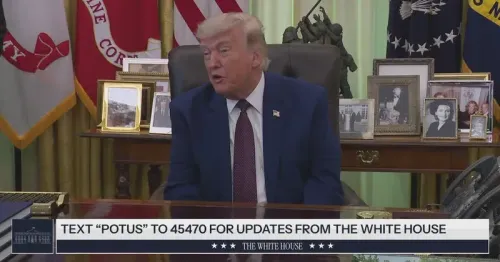
The signing was accompanied by a live broadcast link shared by the White House, suggesting the event was intended for public visibility. Details of the order are expected to be published in the Federal Register, the official journal of U.S. government actions.
Point of View
A sequencing that typically precedes a high-visibility policy reveal. Trump's use of executive orders has historically been front-loaded with political symbolism, and the live-broadcast format suggests this was no routine administrative action. For India, the pattern of Trump-era executive orders in trade, immigration, and technology has made every such announcement a potential market and policy event. The absence of detail in this announcement is temporary — the Federal Register will tell the real story.
NationPress
4 Aug 2026
Frequently Asked Questions
What executive order did Trump sign on August 3 2026?
The White House confirmed President Trump signed an executive order on August 3, 2026, but has not yet publicly detailed its subject matter. Full details are expected in the Federal Register.
What is an executive order and how does it work?
An executive order is a directive issued by the U.S. president that carries the force of federal law and does not require congressional approval. It is used to direct government operations, reshape regulations, or signal major policy shifts.
How does a Trump executive order affect India?
Trump executive orders have previously affected India through changes to H-1B visa rules, trade tariffs, and defence cooperation policies. Any new order in these areas can have direct consequences for Indian businesses, IT workers, and diplomacy.
Where can I read the full text of Trump's August 2026 executive order?
The full text of U.S. executive orders is published in the Federal Register, the official journal of the U.S. federal government, typically within days of signing.
How many executive orders has Trump signed?
Across his presidential terms, Trump has signed a significant number of executive orders — among the highest rates of any modern U.S. president — covering immigration, energy, trade, and national security.