White House Signals Expanded Agenda: 'And We've Just Started'
Synopsis
The White House, the official Executive Office of the President account, posted 'AND WE'VE JUST STARTED' with a U.S. flag emoji on June 3, 2026. The brief, capitalised message signals that the administration views recent actions as the opening phase of a broader agenda, with further announcements and executive moves expected in the weeks ahead.
Key Takeaways
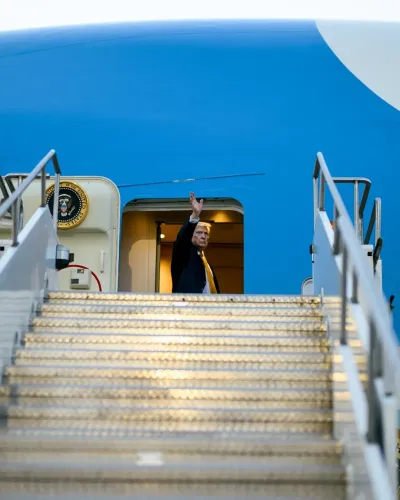
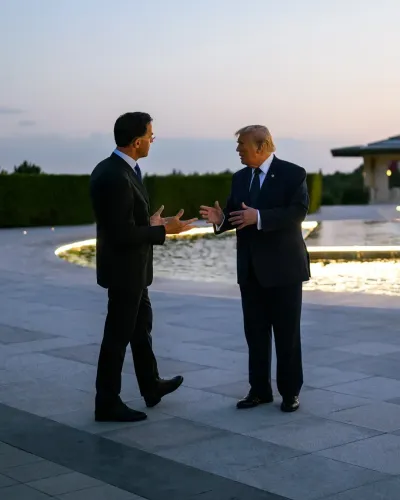
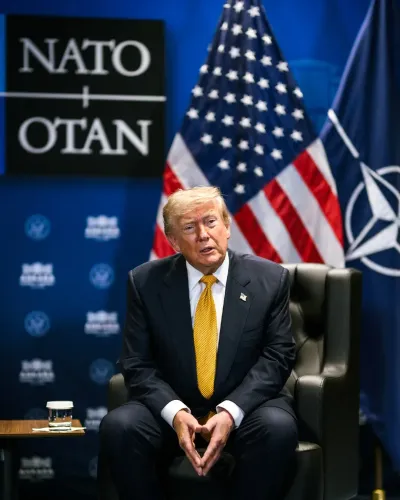
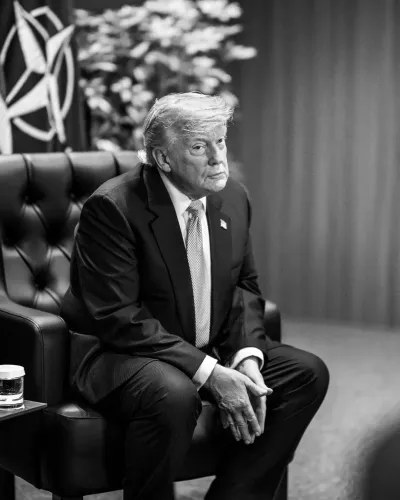
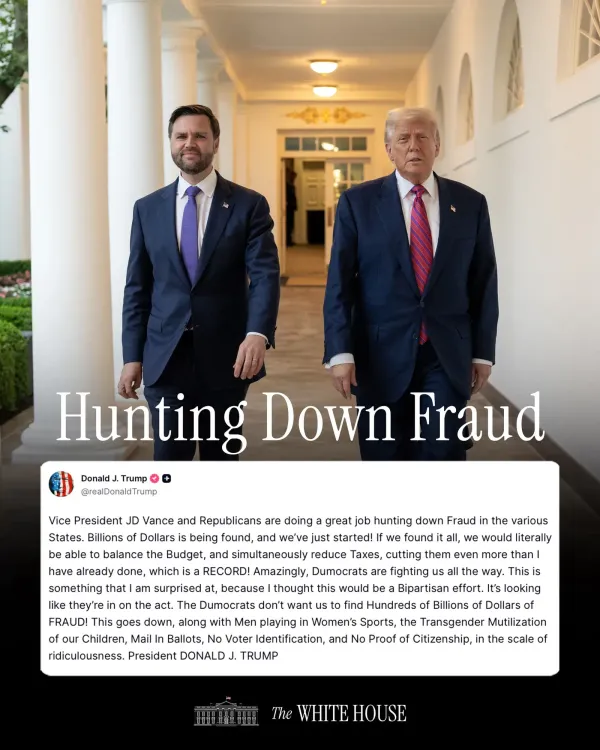
The White House posted 'AND WE'VE JUST STARTED' on X on June 3, 2026, with a U.S. flag emoji and one image.
The post is a forward-looking signal, not tied to a named scheme, bill or executive order.
Such declarative messaging typically precedes a wider rollout of domestic or international policy actions.
Key audiences include Congress, federal agencies, foreign governments and global markets.
Indian policy watchers will track which verticals — trade, tech, defence, immigration — the next phase targets.
The White House, the official communications arm of the Executive Office of the President of the United States, posted a short declarative message on X on June 3, 2026, stating 'AND WE'VE JUST STARTED' alongside a United States flag emoji and an attached image. The post, brief in text but emphatic in tone, signals that the administration intends to widen the scope of its ongoing policy push in the months ahead.
The message, written in capital letters, reads in full as 'AND WE'VE JUST STARTED' followed by the national flag symbol and a link to attached media. While the post does not name a specific scheme, bill or executive order, it functions as a forward-looking statement positioning recent administration actions as the opening phase of a broader agenda.
Context
The White House account is the principal channel through which the Executive Office of the President issues real-time public messaging on administration priorities, ranging from legislative milestones to executive actions and ceremonial occasions. Posts from the handle are routinely scrutinised by lawmakers, foreign chancelleries and domestic stakeholders for signals on what the administration plans next.
Short, declarative posts of this nature typically accompany a visual asset — in this case a single image — and are designed to travel widely on social platforms. The phrasing 'we've just started' frames the present moment as a beginning rather than a culmination, suggesting more announcements are expected to follow.
Policy backdrop
United States presidential administrations have periodically used official channels to mark the early phase of major policy agendas. Such messaging usually arrives after an initial round of legislative or executive moves and tends to precede a wider rollout across domestic and international priorities.
This pattern, observed across election cycles and across party lines, serves two purposes: it consolidates the narrative around steps already taken, and it primes the public and political class for the next tranche of action. The June 3 post fits squarely within that tradition.
Stakeholders and impact
The primary audience for the post is the U.S. public, but the messaging is also closely read by Congress, federal agencies, foreign governments and global markets. For Indian observers, statements of intent from the White House carry weight given the layered India-United States relationship spanning trade, technology, defence and diaspora ties.
Industry groups and policy analysts often calibrate their advocacy based on such signalling, particularly when the administration indicates that a current trajectory will accelerate rather than plateau. Diplomatic missions, including India's, typically follow up with quiet outreach to gauge which policy verticals the message refers to.
What's next
Attention will now turn to subsequent White House communications, congressional activity and any related executive actions or agency guidance in the weeks following the post. The specificity of follow-up announcements will determine whether the June 3 message marks the runway to a defined legislative package or remains a broader tone-setting statement.
For New Delhi and other capitals, the operative question is which policy lanes — trade, immigration, technology controls, energy or security — the administration intends to push next. Until those contours are clarified through formal action, the post stands as a declaration of momentum rather than a roadmap, but one that signals the administration views its current phase as foundational rather than final.
Point of View
Flag-stamped declaration that 'we've just started' is calibrated to project momentum and pre-empt narratives of drift. It fits a recognisable pattern across U.S. presidencies — consolidating early wins rhetorically before opening a second front of executive or legislative action. For India, the relevant read is not the slogan but the sequencing of what follows in trade, technology controls and visa policy.
NationPress
18 Oct 2026
Frequently Asked Questions
What did the White House post on June 3, 2026?
The White House posted 'AND WE'VE JUST STARTED' on X with a U.S. flag emoji and an attached image. The post did not name a specific policy, bill or executive order.
Why does the White House X account matter?
It is the official communications channel of the Executive Office of the President and is used to signal administration priorities, legislative milestones and executive actions in real time.
Does the post affect India-US relations directly?
Not directly, as it names no policy. However, Indian diplomatic and industry stakeholders monitor such signals to anticipate moves on trade, technology, immigration and defence cooperation.
What should observers watch next?
Watch for subsequent White House communications, congressional activity and executive orders or agency guidance in the weeks following the post for clarity on the agenda's next phase.
Is this a standard pattern for U.S. administrations?
Yes. Across party lines and election cycles, U.S. administrations periodically use official channels to frame recent actions as the start of a larger push, ahead of broader rollouts.