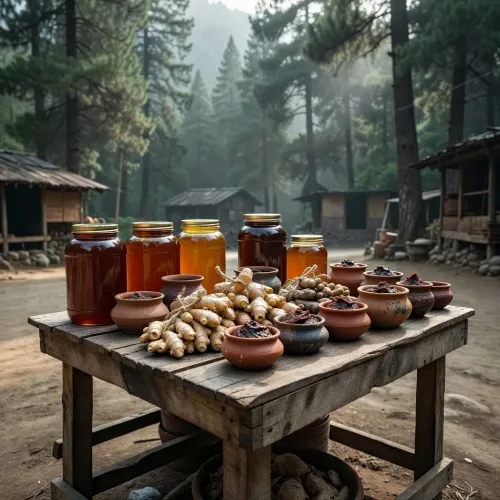
HP CM Sukhu pushes GI tags for Pangi barley, Chamba chilli, Bharmour honey
Synopsis
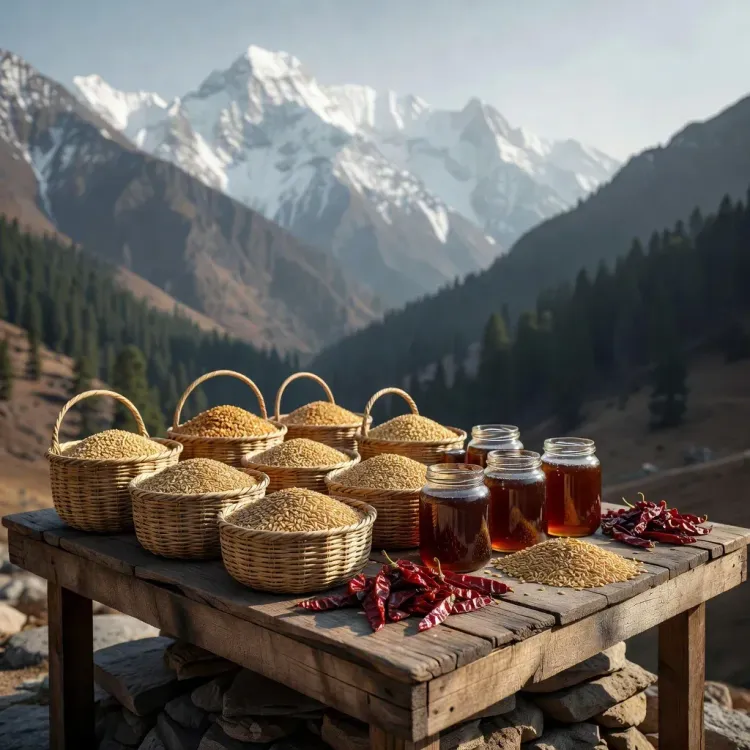
Chief Minister Sukhvinder Singh Sukhu has confirmed active efforts to secure Geographical Indication tags for Pangi's Bhot Jau barley, Chamba Chukh chilli, and Bharmour's Plectranthus honey — extending Himachal Pradesh's two-decade GI strategy into its most remote tribal valleys.
Key Takeaways
Three products — Bhot Jau barley (Pangi), Chamba Chukh chilli, and Plectranthus honey (Bharmour) — are being pursued for GI tags by the Himachal Pradesh government.
All three originate in or around Chamba district , one of the state's most tribal and geographically remote regions.
CM Thakur Sukhvinder Singh Sukhu confirmed the ongoing efforts in a post on 2 August 2026 .
Himachal Pradesh's GI journey began with Kangra tea in 2005 and has since covered textiles, crafts, and agricultural products.
GI applications are processed by the Geographical Indications Registry in Chennai under the GI Act of 1999 .
A successful tag would give tribal producers legal protection and open premium domestic and export markets.
Three niche products from the tribal heartland of Himachal Pradesh — Bhot Jau (barley) from the Pangi valley, Chamba Chukh (chilli condiment), and Plectranthus honey from Bharmour — are now in line for Geographical Indication status, as Chief Minister Thakur Sukhvinder Singh Sukhu confirmed that efforts are actively under way to secure the coveted tag for all three.
Posting through the Chief Minister's Office of Himachal Pradesh on 2 August 2026, CM Sukhu stated: 'ab Pangi kshetra ke Bhot Jau, Chamba Chukh aur Bharmour kshetra ke Plectranthus shahad ko bhi GI tag dilaane ke liye prayas jaari hain' — ('efforts are now ongoing to obtain GI tags for Pangi's Bhot Jau, Chamba Chukh, and Bharmour's Plectranthus honey as well').
What makes Pangi barley and Bharmour honey worth protecting
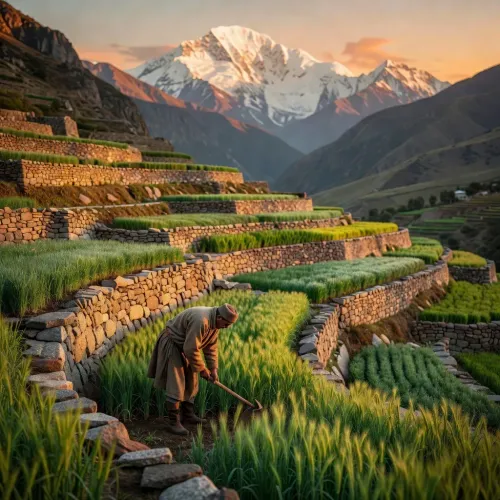
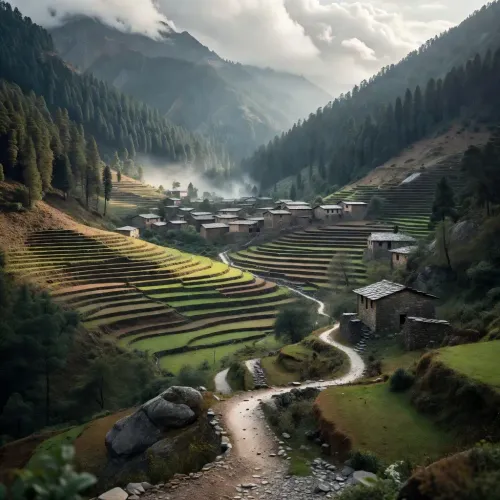
Pangi is a remote, high-altitude valley in Chamba district, accessible for only a few months each year, where farmers have cultivated a distinct variety of barley — Bhot Jau — adapted to extreme cold and thin mountain air. Bharmour, a tribal pocket in the same district, is home to beekeeping traditions tied to the Plectranthus plant, yielding a honey with a flavour profile found nowhere else. Chamba Chukh, a tangy, sun-dried chilli preparation, is already a marker of Chamba's culinary identity. A GI tag would give all three legal protection against imitation and open formal market channels.
Himachal's GI journey — from Kangra tea to tribal valleys
Himachal Pradesh entered the GI map in 2005 with Kangra tea, followed by the Chamba Rumal embroidery in 2007 and a series of Kullu and Kinnaur textiles. The legal backbone is the Geographical Indications of Goods (Registration and Protection) Act, 1999, which lets producers register a regional name and prevent outsiders from misusing it. Each new tag adds a premium-branding layer that directly lifts farmgate prices for rural and tribal communities.
The push for Pangi, Chamba, and Bharmour products extends that strategy into some of the state's most economically marginalised pockets — places where agriculture is subsistence-level and branding has historically been non-existent. GI status, once granted by the Geographical Indications Registry in Chennai, would allow producers to market under a protected name and potentially access export and e-commerce platforms.
What the GI pipeline means for Chamba district's tribal farmers
The three products share a geography: all originate in or around Chamba district, one of Himachal's most tribal and least-connected regions. Barley farmers in Pangi, honey producers in Bharmour, and chilli cultivators in Chamba town stand to gain the most — not just from the tag itself, but from the post-registration marketing infrastructure that typically follows state-backed GI drives. Whether the state budget will earmark dedicated support for that phase is the next question worth watching.
For a state that has steadily built its GI portfolio over two decades, this move signals that the Sukhu government is turning its attention from established craft clusters to the harder-to-reach tribal agricultural economy — where the products are rarest and the producers most vulnerable.
Point of View
Chamba, and Bharmour products is less a standalone announcement and more the latest chapter in a national pattern: states weaponising intellectual property law to add economic value to agricultural biodiversity. What makes this move politically significant is the geography — Chamba's tribal belts are among Himachal's most electorally sensitive constituencies, and GI status is one of the few policy levers that can visibly improve rural incomes without large capital outlay. The test, as with earlier HP tags, will be whether post-registration marketing support actually materialises or whether the tag becomes a certificate without a market.
NationPress
17 Sept 2026
Frequently Asked Questions
What is Bhot Jau and why is it special?
Bhot Jau is a variety of barley cultivated in the high-altitude Pangi valley of Chamba district, Himachal Pradesh, adapted to extreme cold and short growing seasons. Its distinct characteristics make it a candidate for a Geographical Indication tag to protect it from imitation and boost farmer incomes.
What is Chamba Chukh?
Chamba Chukh is a traditional tangy chilli condiment from Chamba district in Himachal Pradesh. It is prepared using locally grown chillies and is a distinctive part of the region's culinary heritage.
What is Plectranthus honey from Bharmour?
Plectranthus honey is produced by beekeepers in Bharmour, a tribal area of Chamba district, using nectar from the Plectranthus plant. Its unique flavour profile is tied to the local flora and beekeeping traditions of the region.
How does a GI tag benefit farmers and producers?
A GI tag grants legal protection to a regional product's name, preventing producers outside the designated area from using it. This enables authentic producers to command premium prices, access formal retail and export markets, and protect their livelihood from cheap imitations.
Which Himachal Pradesh products already have GI tags?
Himachal Pradesh's GI-tagged products include Kangra tea (2005), Chamba Rumal embroidery (2007), and several Kullu and Kinnaur textiles. The state has steadily expanded its GI portfolio across both craft and agricultural categories.