HP CM holds night-long grievance session at Mehla village
Synopsis
The Chief Minister's Office of Himachal Pradesh says the CM held an extended open-air public hearing at Mehla village, listening to rural grievances through the night and attempting on-the-spot resolutions amid strong crowd participation.
Key Takeaways
The Chief Minister's Office of Himachal Pradesh announced an all-night public grievance session at Mehla village on November 6, 2026 .
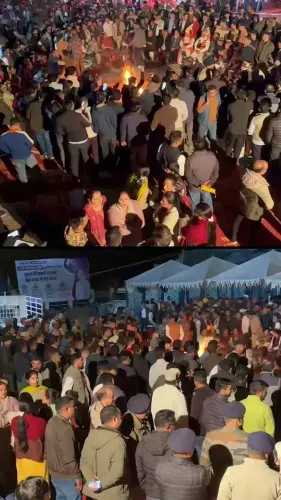
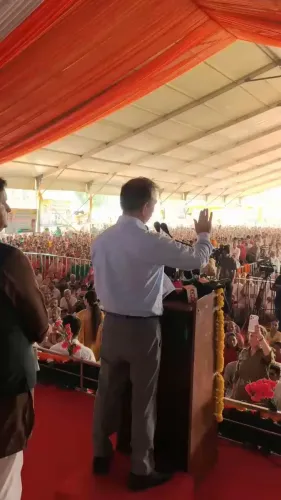
The session was conducted under the open sky , with the leadership listening directly to rural residents' problems.
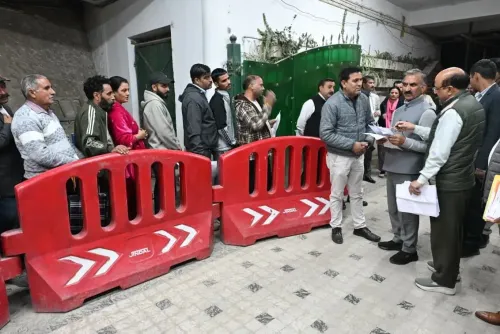
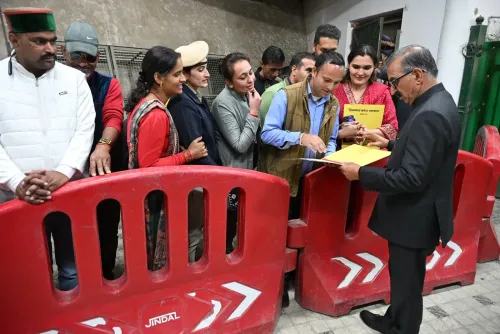
Officials attempted on-the-spot resolution of grievances rather than deferring them for later processing.
Crowd enthusiasm and participation held even as the night deepened, per the official post.
The CMO framed the interaction as a demonstration of mutual trust and affection between the administration and villagers.
Any district-level orders or budget allocations arising from issues flagged at Mehla remain to be announced.
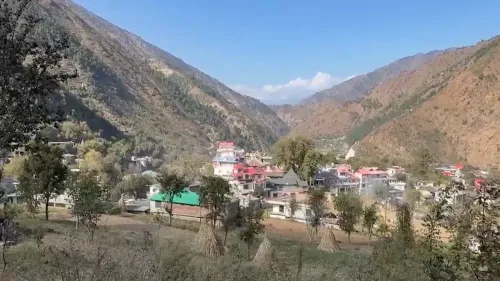
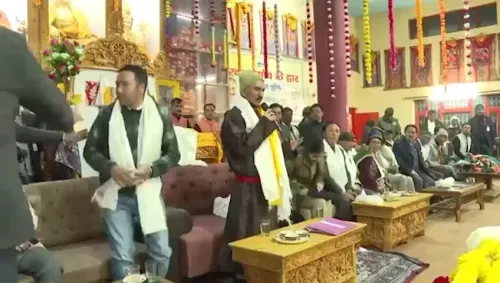
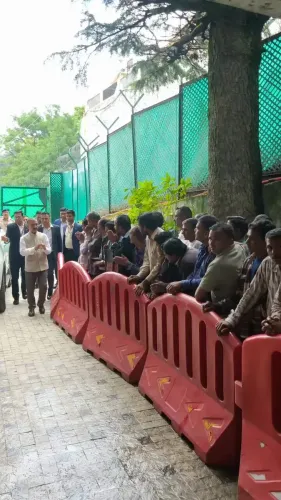
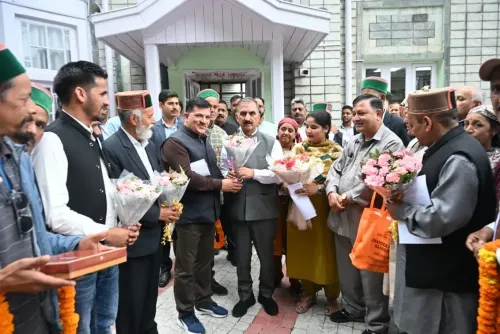
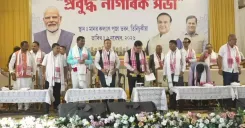
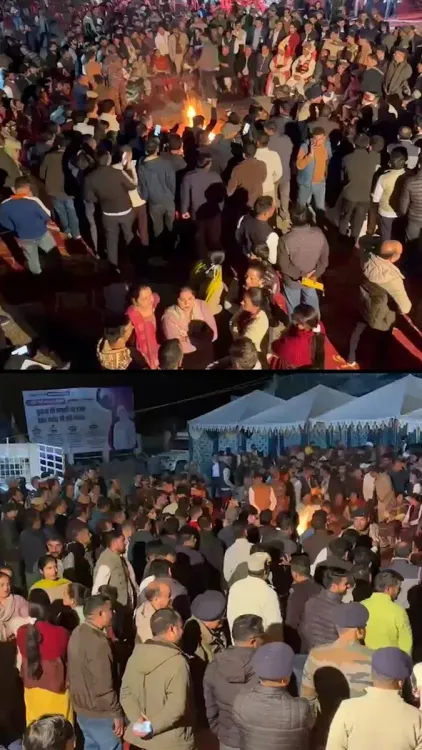
Under an open sky in Mehla village, Himachal Pradesh, villagers lined up well past midnight — and the Chief Minister's Office did not turn them away. The Chief Minister's Office of Himachal Pradesh posted on Friday, November 6, 2026, that a sweeping public outreach session at Mehla drew a large crowd, with grievances heard and on-the-spot solutions attempted through the night.
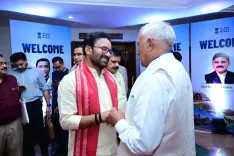
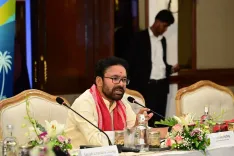
The post, shared in Hindi, describes the scene vividly: 'मैहला गाँव में उमड़े जनसैलाब के बीच बीती रात आत्मीय मुलाकातों का दौर चलता रहा' — 'amid the flood of people gathered at Mehla village, the night passed in a succession of warm, personal meetings.' Rural residents brought forward their local problems, and the leadership made efforts to address them on the spot, not defer them to some distant file.
What unfolded at Mehla through the night
The session was held entirely outdoors — no stage, no air-conditioned anteroom. The CMO's post makes the setting plain: an open sky overhead, a village below, and a crowd whose enthusiasm, the post notes, 'remained intact even as the night deepened.' That detail matters. Village-level grievance hearings in India often wind down quickly once officials grow tired; the fact that participation held through the late hours signals unusual momentum.
Grievances at such sessions typically span local infrastructure gaps, welfare scheme delivery failures, land disputes, and drinking-water shortages — the unglamorous machinery of rural governance. What distinguishes this model is the commitment to 'mauqe par samadhan' — resolution at the spot — rather than the more common practice of logging complaints for later bureaucratic processing.
A pattern of direct village outreach in Indian state governance
Indian chief ministers periodically conduct extended village-level public hearings to collect direct feedback and project grassroots accessibility. The practice carries both genuine administrative value — bypassing layers of local bureaucracy that can filter or delay complaints — and a clear political optic of a leader who stays up with ordinary citizens.
The CMO post closes with a note of gratitude for the 'immense affection and trust' shown by the residents of Mehla, framing the interaction as a two-way bond rather than a top-down inspection. Whether the specific problems raised at Mehla translate into district-level orders or budget allocations is the real test that follows every such night.
The villages of Himachal Pradesh's interior have their own distinct calendar of needs — road connectivity before winter closes mountain passes, healthcare access across scattered hamlets, timely pension disbursals for an ageing rural population. A single overnight session cannot solve all of that. But it puts names and faces to numbers on a file — and that, in Indian state governance, is often where action begins.
Point of View
Part calculated populist optic. For a hill state like Himachal Pradesh, where remote terrain and seasonal road closures routinely delay service delivery, direct contact sessions carry real informational value that desk-bound administration cannot replicate. The critical question, however, is follow-through: without subsequent district orders or budget action, such sessions risk becoming performative rather than transformative. The CMO's framing of 'on-the-spot solutions' will face scrutiny from Mehla's residents over the weeks ahead.
NationPress
6 Nov 2026
Frequently Asked Questions
What happened at Mehla village in Himachal Pradesh?
The Chief Minister of Himachal Pradesh held an extended public grievance session at Mehla village, listening to rural residents' problems under the open sky through the night and attempting on-the-spot resolutions, as announced by the Chief Minister's Office on November 6, 2026.
What is a Jan Sunwai or public grievance session by a Chief Minister?
A Jan Sunwai is an open public hearing where the Chief Minister or senior officials directly receive complaints and grievances from citizens, bypassing intermediate bureaucratic layers to enable faster acknowledgement and sometimes immediate resolution.
Where is Mehla village located?
Mehla is a rural settlement in Himachal Pradesh where the Chief Minister's public outreach session was held. Its specific district location within the state has not been confirmed in available official records.
Does the Himachal Pradesh CM regularly visit villages for public hearings?
Indian chief ministers, including those of Himachal Pradesh, periodically conduct village-level public hearings as part of routine administrative outreach, though the frequency and format vary by tenure and political context.
What kinds of problems do villagers raise at such sessions?
Rural grievances at such sessions typically include local infrastructure gaps, welfare scheme delivery failures, drinking-water shortages, land disputes, road connectivity, and delays in pension or subsidy disbursals.