HP CM Office Highlights Water Conservation as Pillar of Sustainable Growth
Synopsis
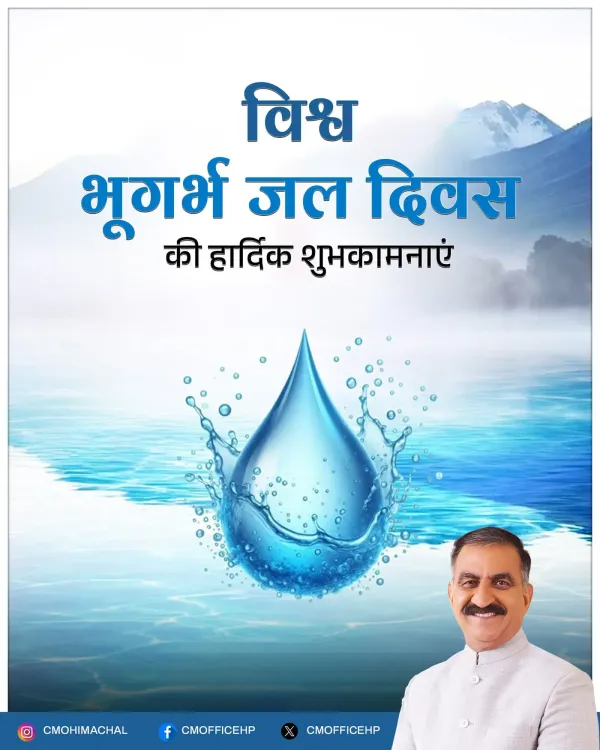
The Chief Minister's Office of Himachal Pradesh on 10 June 2026 called water conservation the bedrock of sustainable development, highlighting the state's acute dependence on springs and aquifers and the growing global threat of falling groundwater levels.
Key Takeaways
The Chief Minister's Office of Himachal Pradesh posted on 10 June 2026 emphasising water conservation as the foundation of sustainable development.
The post identified the continuous fall in groundwater levels as a 'serious global challenge.' Water sources in Himachal Pradesh were described as the 'axis of social and economic life,' heightening local conservation responsibility.
The state sits at the headwaters of major river systems, making it a critical catchment zone for downstream agriculture and drinking water across north India.
India's National Water Policy 2012 and the Jal Jeevan Mission (2019) provide the national policy framework within which this messaging sits.
Key stakeholders include hill farmers , rural communities and the hydropower sector , all directly dependent on sustained water availability.
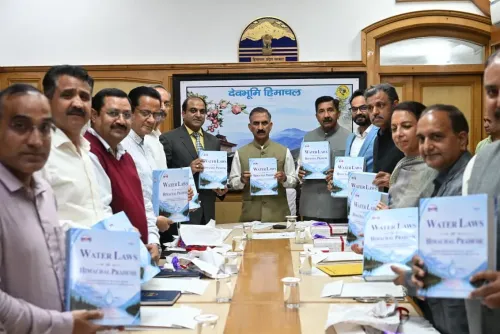
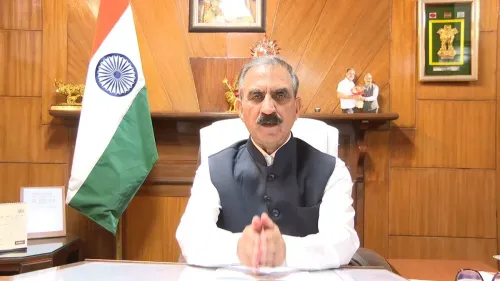
The Chief Minister's Office of Himachal Pradesh on Wednesday, 10 June 2026, underscored the centrality of water conservation to sustainable development, warning that the steady decline of groundwater levels represents a grave global challenge with acute local consequences for Himachal Pradesh.
Context
The post, shared in Hindi, states: 'सतत विकास की नींव जल संरक्षण है' ('Water conservation is the foundation of sustainable development'). It goes on to note that the continuous fall in groundwater levels is 'a serious global challenge today,' and that in Himachal Pradesh, water sources are 'the axis of social and economic life,' making the responsibility of conservation all the more significant.
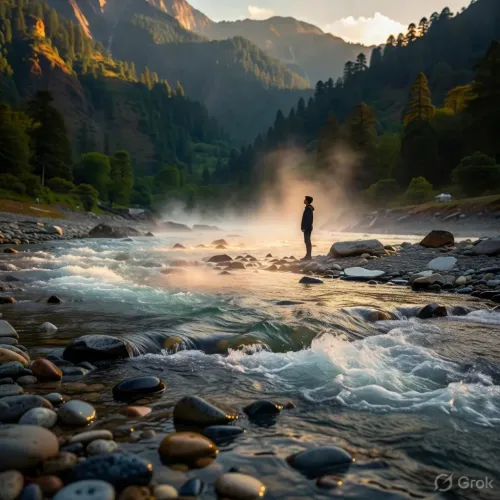
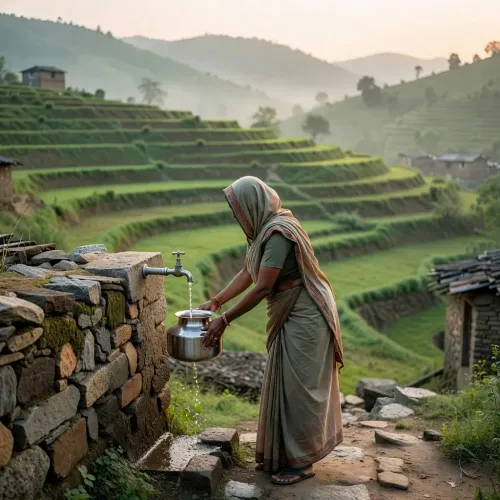
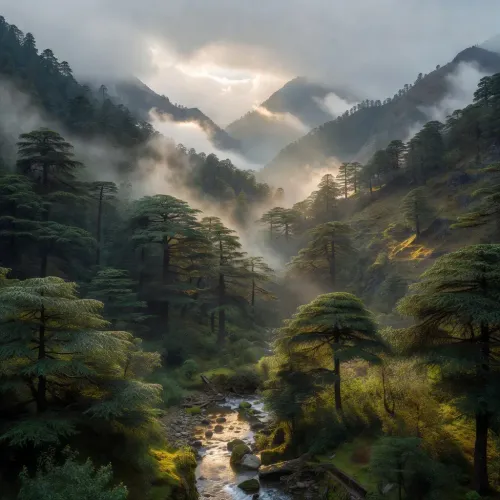
Himachal Pradesh sits at the headwaters of several major north Indian river systems. Its springs, glacial streams and aquifers do not merely serve the state's own 68 lakh-plus population — they feed downstream agriculture and drinking-water supply across the Indo-Gangetic plains, making the state a critical catchment zone for the subcontinent.
Policy Backdrop
India's National Water Policy 2012 flagged groundwater regulation, conjunctive use and community-based conservation as national priorities, laying a framework that subsequent programmes have built upon. The Jal Jeevan Mission, launched in 2019, embedded source sustainability and greywater management alongside its headline goal of providing tap connections to every rural household.
Indian Himalayan states have been positioned within this policy architecture as both acutely vulnerable areas and essential recharge zones. Changing monsoon patterns, accelerating glacier retreat and rising domestic and agricultural demand have combined to intensify groundwater stress across the region, aligning state-level conservation messaging with UN Sustainable Development Goal 6 on clean water and sanitation.
Stakeholders and Impact
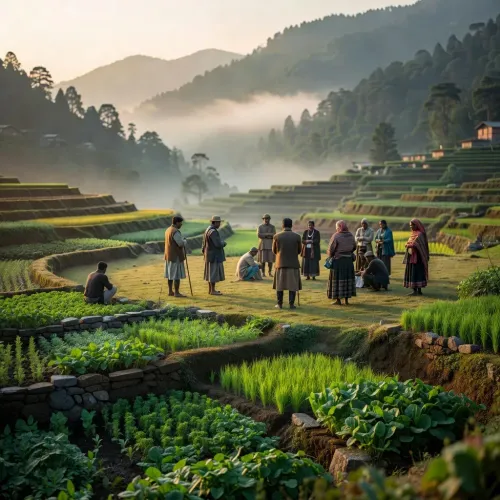
The communities most directly affected span hill farmers dependent on spring-fed irrigation, rural households reliant on natural water sources for daily use, and the hydropower sector, which contributes a significant share of the state's revenue and depends on sustained river flows. Tourism, another economic pillar of Himachal Pradesh, is similarly tied to the health of its rivers and water bodies.
Groundwater depletion in hill terrain carries compounding risks: reduced spring discharge threatens drinking-water security in villages far from piped infrastructure, while declining recharge affects the base flow of rivers that power downstream hydroelectric projects. The Chief Minister's Office framing of water sources as 'the axis of social and economic life' reflects this multi-sectoral dependency.
What's Next
Observers will watch for follow-through in the form of state budget allocations for aquifer recharge structures, spring-shed revival programmes or new legislative measures on groundwater regulation. The Central Ground Water Board's annual assessments provide a benchmark against which any state-level interventions can be measured. With the monsoon season approaching, the timing of this communication signals that water stewardship is likely to remain a visible policy theme for the Himachal Pradesh government in the months ahead.
Point of View
The political logic of foregrounding water security is clear. The messaging also pre-positions the government ahead of the monsoon season, when water-related grievances — floods, landslides, drying springs — tend to dominate local politics. Whether the communication translates into measurable policy action, such as spring-shed budgets or groundwater legislation, will determine its lasting credibility.
NationPress
26 Oct 2026
Frequently Asked Questions
Why is water conservation important for Himachal Pradesh?
Himachal Pradesh's rivers, springs and aquifers underpin agriculture, drinking water, hydropower and tourism across the state and supply downstream plains, making water conservation essential to both local livelihoods and broader regional water security.
What is the groundwater situation in India's Himalayan states?
Indian Himalayan states face accelerating groundwater stress driven by changing monsoon patterns, glacier retreat and rising domestic and agricultural demand, with declining spring discharge threatening rural drinking-water supply and river base flows.
What is the Jal Jeevan Mission and how does it relate to water conservation?
The Jal Jeevan Mission , launched in 2019 , aims to provide tap water connections to every rural household while also mandating source sustainability and greywater management, directly linking household water access to long-term conservation.
What did the Himachal Pradesh CM Office say about water on 10 June 2026?
The Chief Minister's Office stated that water conservation is the foundation of sustainable development, called falling groundwater levels a serious global challenge, and emphasised that water sources in Himachal Pradesh are the axis of social and economic life.
What policy frameworks govern groundwater conservation in India?
India's National Water Policy 2012 sets out priorities for groundwater regulation and community-based conservation, while the Jal Jeevan Mission and various state-level programmes operationalise these goals at the grassroots level.