HP CM Office Highlights Sukh-Aashray Yojana Beneficiary from Una
Synopsis
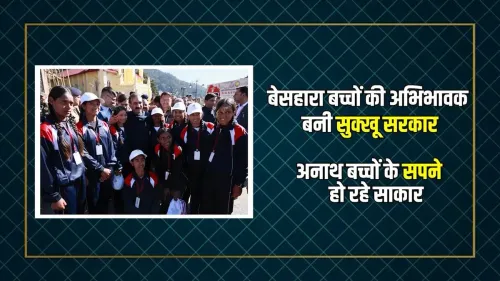
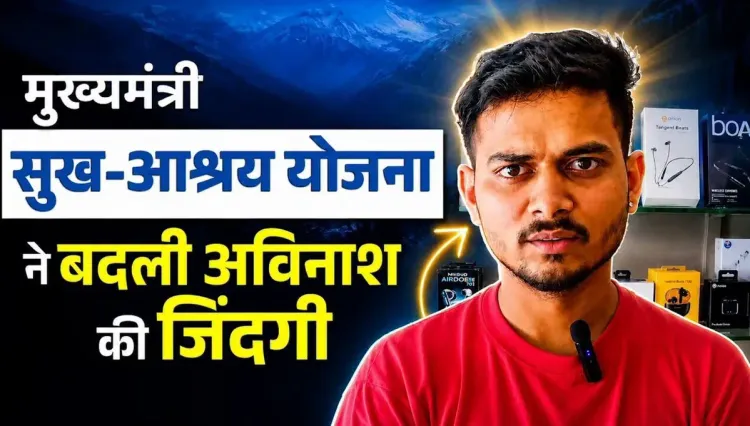
The Chief Minister's Office of Himachal Pradesh spotlighted Avinash of Una district as a beneficiary of the Mukhyamantri Sukh-Aashray Yojana, illustrating how the state's flagship child-welfare scheme provides protection and stability to children who have lost both parents.
Key Takeaways
The Chief Minister's Office of Himachal Pradesh shared the story of Avinash from Una district on 8 July 2026 .
Avinash lost both parents in childhood and received support under the Mukhyamantri Sukh-Aashray Yojana .
The scheme is designed to provide protection, care, education, and livelihood support to orphaned and destitute children in Himachal Pradesh .
The state government framed the story around the principle that 'timely support can change the direction of a life.' The post is part of a broader pattern of sub-national welfare communication using individual beneficiary narratives to demonstrate programme reach.
District-wise beneficiary data and future budgetary updates for the scheme remain to be officially released.
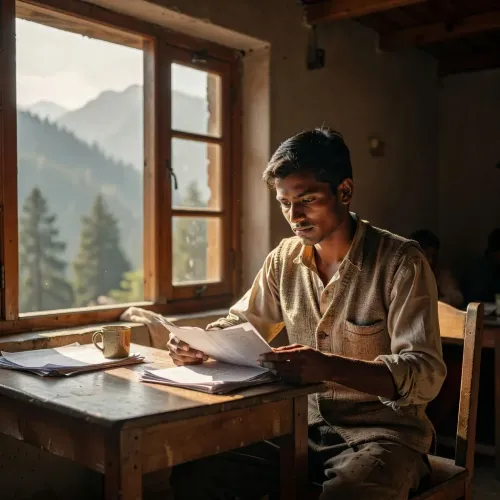
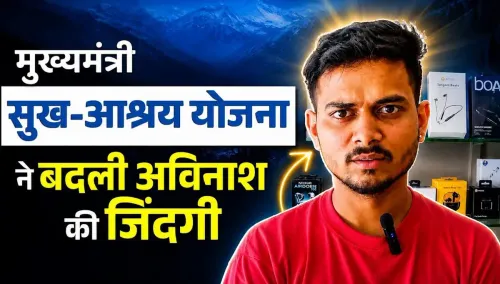
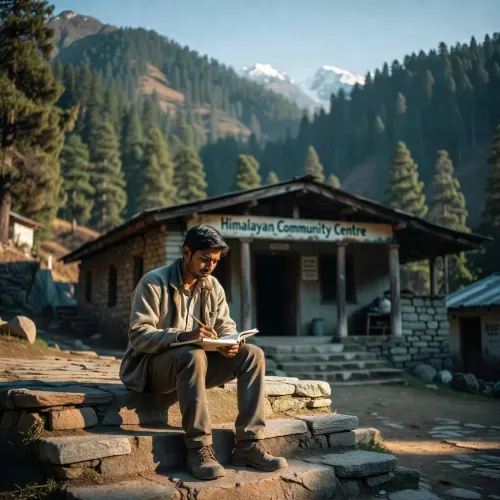
The Chief Minister's Office of Himachal Pradesh, on Wednesday, 8 July 2026, shared the story of Avinash, a resident of Una district, to illustrate the human impact of the state government's flagship child-welfare programme, the Mukhyamantri Sukh-Aashray Yojana. The post, shared on the official CMO account, highlights how timely state support helped reshape the life of a young man who lost both parents in childhood.
Context
The CMO's post states, 'ऊना जिला के अविनाश की कहानी इस विश्वास को मजबूत करती है कि समय पर मिला सहयोग जीवन की दिशा बदल सकता है' — 'The story of Avinash from Una district strengthens the belief that timely support can change the direction of a life.' It goes on to note that after losing his parents in childhood, the state government's ambitious Mukhyamantri Sukh-Aashray Yojana provided him protection and stability.
Una is one of the twelve districts of Himachal Pradesh in the western Himalayas. The CMO's decision to spotlight an individual beneficiary from a district-level setting signals an effort to demonstrate the scheme's ground-level reach beyond aggregate data.
Policy Backdrop
The Mukhyamantri Sukh-Aashray Yojana is a Himachal Pradesh government welfare scheme designed to provide protection, residential care, education, and livelihood support to children who have lost parental cover. It sits alongside national frameworks such as the Juvenile Justice Act and the Integrated Child Protection Scheme, which together form India's multi-layered safety net for vulnerable children.
Himachal Pradesh has maintained a tradition of targeted social security programmes for marginalised groups, and the Sukh-Aashray scheme represents one of the more ambitious sub-national efforts to address the specific vulnerabilities of orphaned and destitute youth. The scheme's name — sukh-aashray, meaning 'shelter of happiness' — reflects its stated intent to go beyond basic subsistence toward holistic rehabilitation.
Stakeholders and Impact
The primary beneficiaries of the Mukhyamantri Sukh-Aashray Yojana are orphan children and destitute youth across Himachal Pradesh's twelve districts. By publicising Avinash's story, the state government is communicating to prospective beneficiaries, civil society organisations, and district administrations that the scheme is delivering measurable change at the individual level.
State governments across India regularly use individual success narratives to illustrate programme reach and build public confidence in welfare delivery. Such communication also serves to encourage eligible families and guardians to enrol children who qualify for protection under schemes of this nature.
What's Next
Observers and welfare advocates will watch for district-wise beneficiary data and roll-out metrics from the Himachal Pradesh government in subsequent official releases. Any legislative or budgetary announcements concerning the scheme's continuation, expansion, or funding allocation in the state's upcoming fiscal calendar will be closely tracked as indicators of long-term political commitment to this welfare architecture.
The government's sustained use of beneficiary storytelling suggests it intends to keep the Mukhyamantri Sukh-Aashray Yojana at the centre of its social-welfare communication, potentially building toward a broader public accountability exercise on scheme outcomes.
Point of View
By being foregrounded in this manner, appears positioned as a flagship identity marker for the current Himachal Pradesh administration. How the government follows up with verifiable outcome data will determine whether this narrative translates into durable policy credibility.
NationPress
8 Jul 2026
Frequently Asked Questions
What is the Mukhyamantri Sukh-Aashray Yojana in Himachal Pradesh?
The Mukhyamantri Sukh-Aashray Yojana is a Himachal Pradesh government welfare scheme that provides protection, residential care, education, and livelihood support to children who have lost their parents and have no parental cover.
Who is Avinash from Una district in the HP CMO post?
Avinash is a resident of Una district in Himachal Pradesh who lost both parents in childhood and is cited by the Chief Minister's Office as a beneficiary of the Mukhyamantri Sukh-Aashray Yojana, illustrating how the scheme changed the direction of his life.
Which district does the Sukh-Aashray Yojana beneficiary Avinash belong to?
Avinash belongs to Una district, one of the twelve districts of Himachal Pradesh in northern India.
How does Himachal Pradesh support orphan children under state welfare schemes?
Himachal Pradesh supports orphaned and destitute children primarily through the Mukhyamantri Sukh-Aashray Yojana, which works alongside national frameworks like the Juvenile Justice Act and the Integrated Child Protection Scheme to provide care, education, and livelihood assistance.
What does Sukh-Aashray mean in Hindi?
'Sukh-Aashray' translates to 'shelter of happiness' in English, reflecting the scheme's stated intent to provide holistic rehabilitation — not just basic subsistence — to vulnerable children in Himachal Pradesh.