HP CM Office Launches Cruises, Speed Boats & Jet Skis in Bilaspur
Synopsis
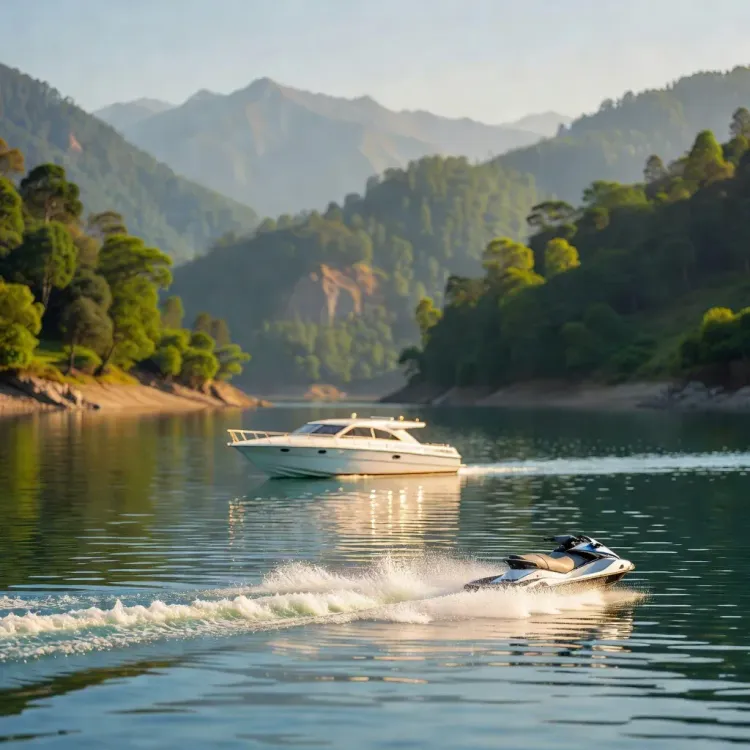
The Chief Minister's Office of Himachal Pradesh announced on October 24, 2026 that water tourism — including cruises, speed boats, and jet skis — has launched at Bilaspur's reservoirs, executing a plan conceived eighteen months ago to grow state tourism revenue.
Key Takeaways
The Chief Minister's Office of Himachal Pradesh confirmed the launch of water tourism at Bilaspur reservoirs on October 24, 2026 .
Activities now operational include cruises, speed boats, and jet skis .
The initiative was planned approximately one and a half years ago with the explicit goal of boosting tourism revenue.
Bilaspur district is home to Gobind Sagar Lake , one of Asia's largest reservoirs, formed by the Bhakra Dam.
The launch is part of Himachal Pradesh's broader strategy to diversify beyond traditional hill tourism and attract visitors year-round.
Further rollout to other Himachal reservoir sites is being watched as a likely next step.
A plan made roughly eighteen months ago is now making waves on the water. The Chief Minister's Office of Himachal Pradesh announced on Saturday, October 24, 2026, that water tourism has officially launched at the reservoirs of Bilaspur — with cruises, speed boats, and jet skis now operational for visitors, marking a concrete step in the state's push to grow tourism revenue.
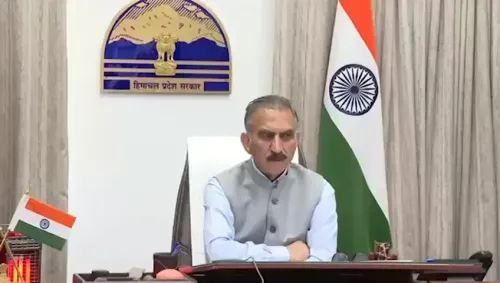
Posting in Hindi, the CMO stated: 'पर्यटकों को आकर्षित करने के लिए बिलासपुर के जलाशयों में जल पर्यटन की संभावनाओं को साकार करने की पहल की है' — 'We have taken an initiative to realise the potential of water tourism in Bilaspur's reservoirs to attract tourists.' The office noted that planning for this had begun approximately one and a half years ago, and that cruise boats, speed boats, and jet skis are now up and running at the site.
Bilaspur's Reservoirs as a Tourism Engine
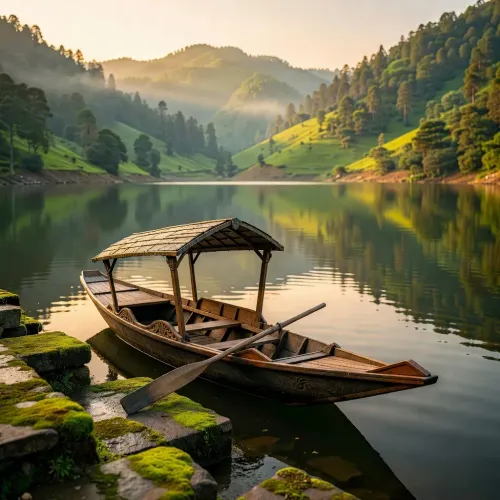
Bilaspur district is home to the vast Gobind Sagar Lake, formed by the iconic Bhakra Dam on the Sutlej River — one of the largest reservoirs in Asia by surface area. The lake's sheer expanse has long been identified as an underutilised asset for recreation and adventure tourism. Activating it with motorised water sports transforms a utilitarian water body into a destination in its own right.
Diversifying Beyond the Hills
Himachal Pradesh has traditionally drawn visitors for its mountain scenery, pilgrimage circuits, and trekking routes — but hill tourism is vulnerable to seasonal shutdowns, weather disruptions, and overtourism at a handful of hotspots. Water tourism on reservoir sites represents a deliberate diversification play: spreading visitor footfall geographically and extending the effective tourism calendar. Similar activations at dam lakes in other Indian states have demonstrated the formula's commercial viability, drawing weekend travellers from nearby cities and boosting local hospitality businesses.
The CMO framed the launch explicitly as a revenue strategy — 'tourism revenue is an important medium,' the post noted — signalling that this is not merely an amenity but a line item in the state's fiscal planning. Local boat operators, hospitality vendors, and adventure-tourism entrepreneurs stand to benefit from a steady stream of visitors drawn to experiences that simply did not exist here a year ago.
What Comes After the First Wave
The launch at Bilaspur sets a template. The state's network of reservoirs — products of its extensive hydropower infrastructure — offers multiple candidate sites for replication. Regulators and environmental bodies will scrutinise noise, fuel, and ecological impact on these water bodies as the programme scales. Execution over the coming tourist seasons will determine whether Bilaspur's reservoirs become a benchmark or a cautionary tale for water tourism in the Himalayas.
A vision sketched eighteen months ago is afloat today. The real test is whether the boats keep running — and whether the visitors keep coming.
Point of View
But also experiential. By tying the announcement to a concrete revenue rationale rather than a purely developmental narrative, the government signals fiscal pragmatism at a time when hill states face perennial revenue pressures. The eighteen-month planning-to-execution timeline, if substantiated, also serves as a governance optics win — rare in a sector known for announcement-heavy, delivery-light politics. The real policy test will come in the environmental scrutiny phase: Gobind Sagar's ecological sensitivity means that scaling motorised water sports without robust regulation could invite both legal and reputational risk.
NationPress
24 Oct 2026
Frequently Asked Questions
What water tourism activities have been launched at Bilaspur, Himachal Pradesh?
Cruises, speed boats, and jet skis have been launched at the reservoirs of Bilaspur district in Himachal Pradesh, according to an announcement by the Chief Minister's Office on October 24, 2026.
Which lake or reservoir is being used for water tourism in Bilaspur?
Bilaspur is home to Gobind Sagar Lake, formed by the Bhakra Dam on the Sutlej River. This reservoir is one of the largest in Asia and is the primary water body associated with water tourism in the district.
Why is Himachal Pradesh promoting water tourism?
The Himachal Pradesh government has identified water tourism as an important means of increasing tourism revenue and diversifying beyond traditional hill and pilgrimage tourism, which is vulnerable to seasonal shutdowns.
How long did it take Himachal Pradesh to launch water tourism in Bilaspur?
According to the Chief Minister's Office, planning for the Bilaspur water tourism initiative began approximately one and a half years before the October 2026 launch.
Will water tourism be expanded to other parts of Himachal Pradesh?
The government has not made a formal announcement, but the Bilaspur launch is seen as a template for other reservoir sites across the state, with further rollout considered likely given Himachal's extensive hydropower infrastructure.