HP CM's Office Marks Dussehra with Effigy Burning at Jakhu Temple
Synopsis
The Chief Minister's Office of Himachal Pradesh marked Dussehra 2026 by participating in the burning of effigies of Ravana, Meghnad, and Kumbhkarna at the famous Jakhu Temple in Shimla, invoking Lord Rama's ideals of duty, dignity, and public welfare before a large gathering of devotees.
Key Takeaways
The Chief Minister's Office of Himachal Pradesh participated in Dussehra effigy burning at Jakhu Temple, Shimla on 20 October 2026 .
Effigies of Ravana, Meghnad, and Kumbhkarna were burnt in keeping with the traditional Dussehra observance.
Jakhu Temple is one of Shimla's most prominent Hanuman shrines, situated atop Jakhu Hill at approximately 2,455 metres above sea level.
Large crowds of devotees were reported present, creating what the post described as a fully devotional atmosphere.
The official message invoked Lord Rama's values of maryada (dignity), kartavya (duty) and lokkalyan (public welfare).
Himachal Pradesh hosts multiple notable Dussehra observances, including the internationally recognised Kullu Dussehra .
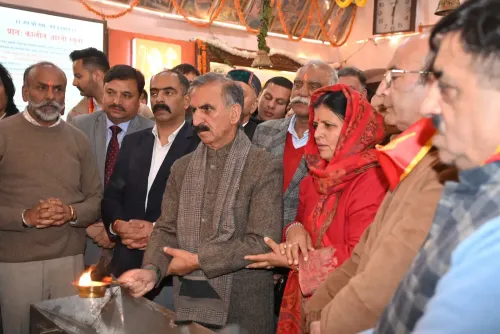
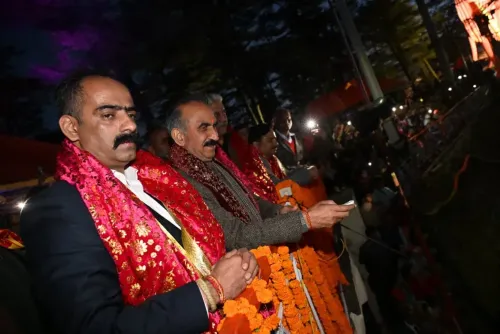
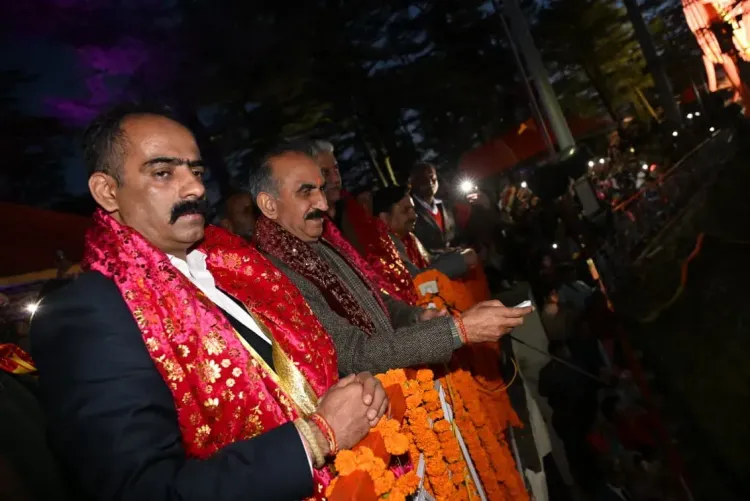
Flames lit up Jakhu Hill in Shimla on Tuesday, 20 October 2026, as the Chief Minister's Office of Himachal Pradesh joined a throng of devotees for the burning of effigies of Ravana, Meghnad, and Kumbhkarna at the storied Jakhu Temple — one of the most revered Hanuman shrines in the Himalayan state. The entire atmosphere, the post noted, was charged with devotion as large crowds gathered on the sacred hilltop.
The Chief Minister's Office shared the moment on X, writing: 'Dashahra ke paavan avsar par suprasiddh Jakhu Mandir mein Raavan, Meghnaad aur Kumbhakaran ke putlon ka dahan kiya' — 'On the auspicious occasion of Dussehra, the effigies of Ravana, Meghnad and Kumbhkarna were burnt at the famous Jakhu Temple.' The post invoked Lord Rama as the ideal of maryada, kartavya aur lokkalyan — dignity, duty, and dedication to public welfare.
Jakhu Temple and Shimla's Dussehra Tradition
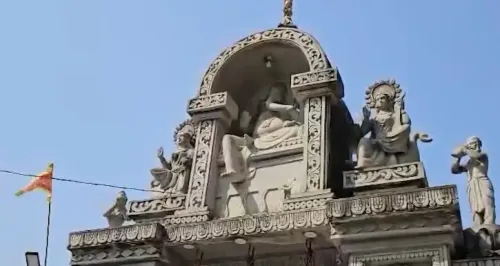
Jakhu Temple, perched atop Jakhu Hill at roughly 2,455 metres above sea level, is one of Shimla's oldest and most visited pilgrimage sites, dedicated to Lord Hanuman and steeped in Ramayana lore. Dussehra observances here draw devotees from across the region each year, transforming the hillside into a festival of lights, chanting, and the dramatic spectacle of effigy burning that marks the symbolic defeat of evil.
The occasion is one of many Dussehra celebrations Himachal Pradesh is known for. The state also hosts the internationally recognised Kullu Dussehra, a week-long fair that draws visitors and deities from hundreds of villages across the hills — a reminder that in the mountains, this festival carries a weight and a scale all its own.
Rama's Values and the Official Message
Beyond the spectacle, the Chief Minister's Office used the moment to anchor a broader message: that Lord Rama's example — upholding righteous conduct, fulfilling duty, and working for the welfare of the people — remains a living ideal. It is a framing Indian state governments have consistently returned to on Dussehra, drawing a line from ancient epic to contemporary public life. The values of maryada purushottam — the ideal righteous man — translate, in the political register, into a reminder of what governance is supposed to look like.
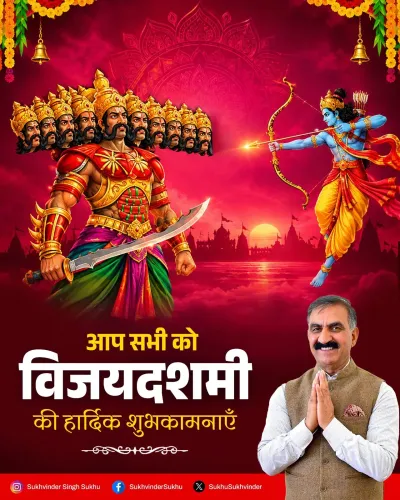
With four photographs attached to the post, the visuals of the burning effigies and the gathered crowds spoke as loudly as the words. Dussehra 2026 on Jakhu Hill was, by every measure, a moment the state chose to mark with intention.
The fire on the hilltop has gone out — but the message it carried down into the valley is meant to last.
Point of View
Resonates broadly, and reinforces a moral framing of leadership. What is worth watching is whether the symbolic gesture is accompanied by concrete steps — temple infrastructure, heritage conservation, or tourism development — that translate the sentiment into policy. In a state where pilgrimage tourism is a significant economic driver, Dussehra at Jakhu is never purely ceremonial.
NationPress
20 Oct 2026
Frequently Asked Questions
Where is Jakhu Temple located?
Jakhu Temple is located atop Jakhu Hill in Shimla, Himachal Pradesh , at an elevation of approximately 2,455 metres above sea level. It is one of the oldest and most visited Hanuman temples in the state.
What happens at Jakhu Temple on Dussehra?
On Dussehra , effigies of Ravana, Meghnad, and Kumbhkarna are burnt at Jakhu Temple, marking Lord Rama's victory over evil. Large gatherings of devotees attend the event each year on the hilltop.
Why is Dussehra celebrated in India?
Dussehra is a Hindu festival celebrating the victory of Lord Rama over the demon king Ravana , as narrated in the Ramayana epic. It symbolises the triumph of good over evil and is observed with effigy burnings and Ramlila enactments across northern India.
What is Kullu Dussehra in Himachal Pradesh?
Kullu Dussehra is an internationally recognised week-long festival held in the Kullu Valley of Himachal Pradesh , during which deities from hundreds of villages are brought together in a grand procession. It is one of the most prominent Dussehra celebrations in India.
What did the HP Chief Minister's Office say about Dussehra 2026?
The Chief Minister's Office of Himachal Pradesh posted that effigies of Ravana, Meghnad and Kumbhkarna were burnt at Jakhu Temple on 20 October 2026 , and invoked Lord Rama's values of dignity, duty, and dedication to public welfare.