HP CM Office mourns Youth Congress VP Chandramani Kulethi
Synopsis
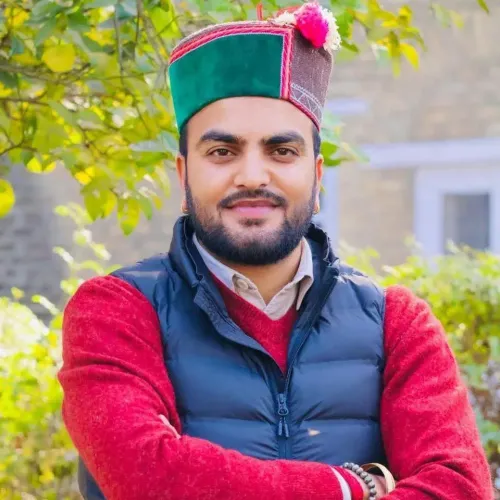
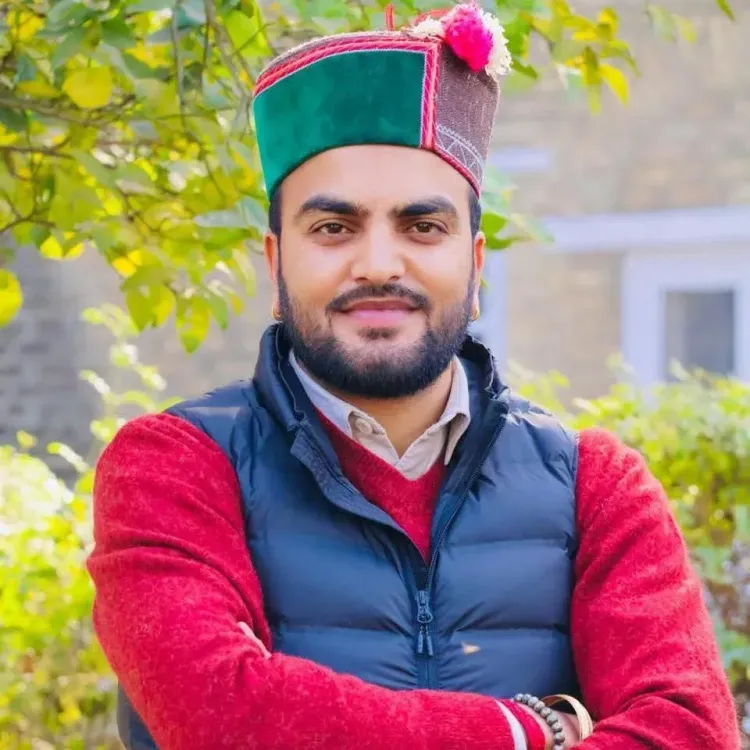
The Chief Minister's Office of Himachal Pradesh on 22 October 2026 mourned the untimely death of Chandramani Kulethi, Youth Congress state vice president from Holi in Chamba district, noting he had been keenly preparing for the CM's visit to his tehsil.
Key Takeaways
Chandramani Kulethi , state vice president of Youth Congress and resident of Holi, Chamba district , passed away.
The Chief Minister's Office of Himachal Pradesh issued the condolence on 22 October 2026 .
Kulethi had been enthusiastically preparing for an upcoming Chief Minister's visit to Holi for several days before his death.
The CMO described him as 'a dedicated and hardworking young comrade' of the Congress family.
The post highlights the personal dimension of the loss, beyond routine official condolence.
A dedicated young Congress functionary from the hills of Chamba district is gone, and the grief reaches all the way to the Chief Minister's Office. The Chief Minister's Office of Himachal Pradesh posted on Thursday, 22 October 2026, mourning the untimely death of Chandramani Kulethi, state vice president of Youth Congress and a resident of Holi in Chamba district.
The post, written in Hindi, called the news 'atyant dukhad' — deeply sorrowful — and noted that the Congress family had lost 'a dedicated and hardworking young comrade.' The message carried an especially personal note: Kulethi had been 'very enthusiastic' about the Chief Minister's forthcoming visit to Holi, and had been preparing for it for several days before his passing.
A young organiser who lived for the grassroots
Kulethi held the post of state vice president of the Youth Congress, the youth wing of the Indian National Congress, which currently governs Himachal Pradesh. As a Holi tehsil resident, he operated in one of the more remote parts of Chamba — a district known for its difficult terrain and limited connectivity, where local party organisers serve as the primary bridge between government and community.
His enthusiasm over the Chief Minister's planned visit to Holi speaks to the ground-level expectations that such visits carry in remote Himachal. For a local leader, an official visit is months of coordination, and Kulethi's investment in that effort made his passing all the more abrupt.
A ritual of condolence — and what it reveals
Indian chief ministers regularly issue formal condolences on the deaths of party functionaries, acknowledging both personal ties and organisational loyalty. What sets this tribute apart is the specificity — a named tehsil, a named tour, a sense of weeks of anticipation cut short. The statement moves beyond protocol into something closer to personal loss.
For the Congress party in Himachal Pradesh, which depends on its district-level cadre to sustain its electoral machinery, the death of an energetic young vice president in a remote constituency is not a minor footnote. It is the kind of loss that is felt in the next rally, the next door-knock, the next local election.
Point of View
Where district-level cadre are irreplaceable. The personal detail — that Kulethi had been anticipating the CM's Holi visit for days — elevates this beyond a routine condolence and signals the human cost of building party presence in remote constituencies. For the Congress government, it is also a reminder of the organisational vacuum that such losses quietly create at the grassroots. How the party fills that gap in Chamba's Holi tehsil will matter more than any formal tribute.
NationPress
22 Oct 2026
Frequently Asked Questions
Who was Chandramani Kulethi?
Chandramani Kulethi was the state vice president of the Youth Congress in Himachal Pradesh and a resident of Holi in Chamba district.
Why did the Himachal Pradesh CM Office issue a condolence for Chandramani Kulethi?
The Chief Minister's Office of Himachal Pradesh issued the condolence because Kulethi was a senior Youth Congress functionary with direct ties to the CM's official programme in Chamba's Holi tehsil.
Where is Holi located in Himachal Pradesh?
Holi is a tehsil in Chamba district , a remote and mountainous district in the northern part of Himachal Pradesh.
What is the Youth Congress?
The Youth Congress is the official youth wing of the Indian National Congress party, which currently governs Himachal Pradesh.
What was Chandramani Kulethi's connection to the CM's Holi visit?
According to the CMO's post, Kulethi had been 'very enthusiastic' about the Chief Minister's planned visit to Holi and had been preparing for it for several days before his untimely death.