HP CM Office: Officials Stay in Village Homes Under Sarkar Gaon Ke Dwar
Synopsis
Himachal Pradesh's Sarkar Gaon Ke Dwar programme has officials sleeping in villagers' homes — not rest houses — to directly understand and resolve long-pending rural problems on a priority basis, the CMO confirmed on October 15, 2026.
Key Takeaways
The Sarkar Gaon Ke Dwar programme requires officials to stay in private rural homes , not government rest houses, during village outreach visits.
The initiative is designed to help officials directly understand the everyday problems faced by rural communities in Himachal Pradesh .
The CMO publicly acknowledged that many grievances have been pending for years and are now being addressed on a priority basis.
The programme reflects a broader Indian governance trend of direct, village-level outreach to clear backlogs that formal channels have missed.
The overnight residential component — staying in a villager's home — is the structural core that distinguishes this scheme from standard Jan Sampark drives.
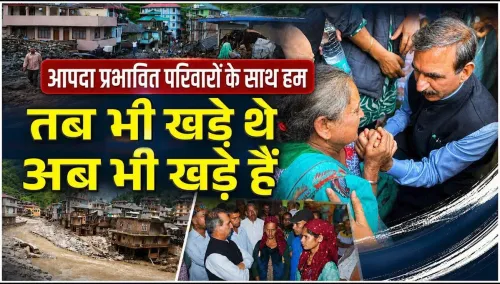
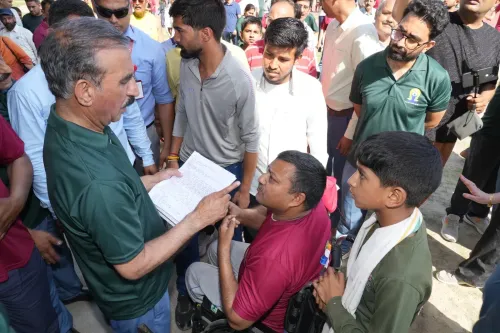
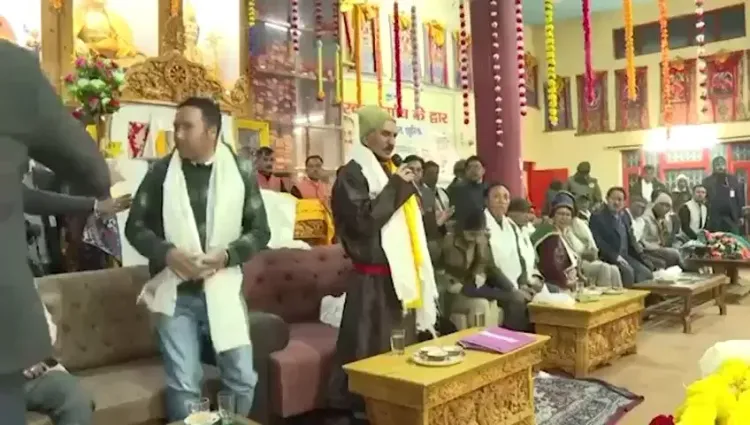
While most government officials head to the nearest rest house after dark, Himachal Pradesh's administration is spending the night on a villager's charpoy — and that deliberate discomfort is the whole point. The Chief Minister's Office of Himachal Pradesh reaffirmed on Thursday, October 15, 2026, that the Sarkar Gaon Ke Dwar ('Government at the Village Door') programme requires officials to stay inside rural homes — not government guest houses — to understand and resolve problems that have festered for years.
The post, shared in Hindi, states plainly: 'hum rest house mein nahin, gaon mein kisi gramin ke ghar par thaharkar logon ki samasyaon ko samajhte hain' — 'we do not stay in rest houses; we stay in a villager's home in the village itself to understand people's problems.' Long-pending issues, it adds, are being resolved on a priority basis.
Why sleeping in a village changes what a government hears
The logic is blunt and practical. An official who arrives at a rest house at the edge of town, holds a formal grievance session, and leaves by morning absorbs the loudest voices in the room. An official who eats dinner at a farmer's table, hears the water pump sputter at midnight, and walks the same muddy path to the fields at dawn — that official leaves with a different list. Sarkar Gaon Ke Dwar bets on that difference.
The programme is part of a broader pattern across Indian states, where periodic village-level outreach drives are deployed to clear backlogs of local grievances that formal bureaucratic channels miss or delay. What sets Himachal Pradesh's version apart is the overnight residential component — the overnight stay in a private rural home, not a government facility, is the structural spine of the scheme, not an add-on.
Years of pending problems, now on a priority list
The CMO's post specifically acknowledges that 'many problems have been pending for years' — a rare, candid admission from an official government account. That framing matters: it signals the programme is not being pitched as routine administration but as a catch-up exercise for accumulated neglect.
The emphasis on priority-based resolution suggests a triage approach — not every village grievance will be solved at once, but they are being logged, ranked, and tracked. For rural Himachal Pradesh, where geography isolates communities and connectivity remains uneven, even that triage represents a structural shift in how the state engages its most remote citizens.
Whether the programme scales, sustains, and actually clears its pending-issues backlog will be the real test — and rural Himachal Pradesh will be keeping score.
Point of View
The CMO is framing this as corrective governance, not just optics. The overnight-stay model borrows from a long tradition of immersive outreach in Indian politics, but its institutionalisation as a formal state scheme is significant. The programme's credibility will ultimately rest on whether the priority-based resolution list produces verifiable outcomes at the village level.
NationPress
15 Oct 2026
Frequently Asked Questions
What is Sarkar Gaon Ke Dwar in Himachal Pradesh?
Sarkar Gaon Ke Dwar ('Government at the Village Door') is a Himachal Pradesh government outreach initiative under which officials stay overnight in rural villagers' homes — not rest houses — to directly understand and resolve local problems.
Why do officials stay in villagers' homes instead of rest houses?
The programme's design is intentional: staying inside a rural household allows officials to experience local conditions firsthand, hear grievances informally, and build a more accurate picture of problems than formal sessions in government facilities would allow.
What kinds of problems does Sarkar Gaon Ke Dwar address?
The programme focuses on long-pending rural grievances — issues that have gone unresolved through standard bureaucratic channels. The CMO has stated these are now being addressed on a priority basis .
Is Sarkar Gaon Ke Dwar unique to Himachal Pradesh?
While several Indian states run village outreach programmes, Himachal Pradesh's version is distinctive for making the overnight stay in a private rural home the structural core of the scheme rather than a symbolic gesture.
When did the Himachal Pradesh CMO post about Sarkar Gaon Ke Dwar?
The Chief Minister's Office of Himachal Pradesh shared the update on October 15, 2026 , via its official X account, reaffirming the programme's approach of residential village engagement.