HP CM's Office joins Solan summit on private university regulation
Synopsis
The Chief Minister's Office of Himachal Pradesh joined a conference in Solan on 25 September 2026 focused on the regulatory commission for private educational institutions, their institutional contributions, future priorities, and collaborative frameworks — including a direct dialogue with students.
Key Takeaways
The Chief Minister's Office of Himachal Pradesh participated in the Solan conference on 25 September 2026 .
The event centred on the Himachal Pradesh Private Educational Institutions Regulatory Commission and its relationship with private universities.
The agenda covered institutional contributions, future priorities, and collaborative working methods.
A dedicated student dialogue ( samvad ) session was held alongside the main conference.
Solan district hosts a dense cluster of private universities established under HP's private university legislation from the early 2000s .
Follow-up regulatory notifications from the commission are the key development to watch after the conference.
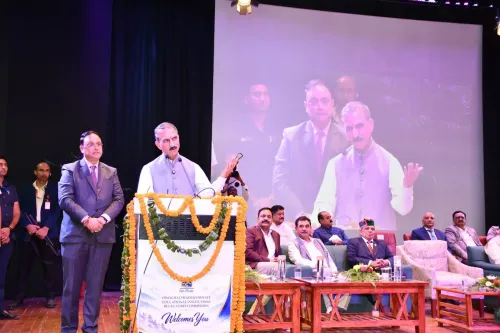
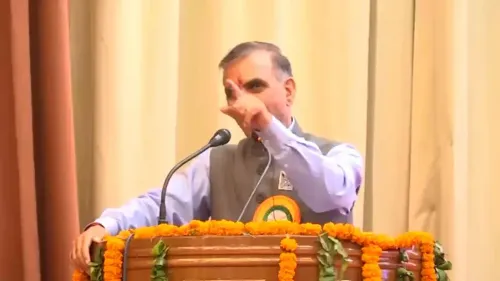
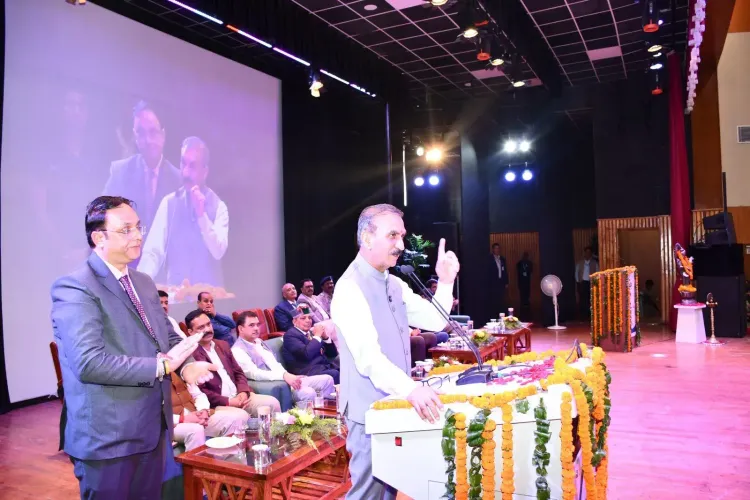
In the hill-station district of Solan on Friday, 25 September 2026, the Chief Minister's Office of Himachal Pradesh participated in a high-stakes conference that put the state's private higher-education ecosystem under the spotlight — bringing regulators, university leaders, and students into the same room for a frank conversation about quality, accountability, and the road private institutions have travelled since their rapid expansion began two decades ago.
The event, titled 'Himachal Pradesh Niji Shikshan Sansthan Niyamak Aayog evam Niji Vishwavidyalayon ke Sansthagatik Yogdan, Bhavishy ki Prathamikataen evam Sahyogatmak Karyapranali' — 'Institutional Contribution of the Himachal Pradesh Private Educational Institutions Regulatory Commission and Private Universities, Future Priorities and Collaborative Working Methods' — was hosted in Solan, a district that has become the geographic heart of the state's private university belt.
Why Solan, and why now
Solan is no accidental choice of venue. The district is home to a dense cluster of self-financed private universities that sprang up after Himachal Pradesh opened its doors to private university legislation in the early 2000s — some of the earliest such enabling laws in the country. What began as a handful of institutions has grown into a sector that now shapes the academic futures of tens of thousands of students from across India, drawn in by the cooler climate, relatively affordable fees, and proximity to the plains.
The pace of that growth, however, outran the regulatory architecture designed to govern it. That gap is precisely what the Himachal Pradesh Private Educational Institutions Regulatory Commission was created to close — monitoring fee structures, academic standards, and student grievance mechanisms across an otherwise diffuse private sector.
Regulators, universities, and students at one table
What made Friday's conference notable was its dual format: a structured policy dialogue between the Regulatory Commission and private university representatives, followed by a direct samvad — dialogue — with students. The student interaction segment signals a deliberate shift toward including the end-users of private higher education in conversations that have historically stayed within administrative corridors.
Across India, state regulatory commissions for private education have increasingly faced the same set of pressures: fee disputes, infrastructure gaps, placement promises that don't materialise, and the perennial question of whether self-financing institutions serve public educational goals or primarily private commercial ones. The Solan conference appears designed to surface those tensions and begin sketching collaborative answers.
What the commission is watching
The agenda — 'future priorities and collaborative working methods' — points to a commission in active recalibration. Regulators attending such conferences typically leave with action items: revised fee-oversight frameworks, clearer disclosure norms for universities, or new grievance channels for students. Whether Himachal Pradesh's commission will translate Friday's discussions into binding notifications remains the key thing to watch in the weeks ahead.
For now, the Chief Minister's Office's presence at the table sends a clear signal: private higher education in the hill state is not a peripheral concern. It is squarely a governance priority — and the students sitting in that Solan conference hall had the government's attention for at least one afternoon.
Point of View
Governments are shifting from passive oversight to active co-governance, pulling regulators, institutions, and students into structured dialogue. For Himachal Pradesh — where private universities punch above their weight in enrollments relative to the state's size — the Regulatory Commission's posture at Solan will be a test of whether collaborative frameworks can substitute for the heavier-handed enforcement that students and parents have long demanded. The student dialogue component is politically shrewd: it gives the CM's Office visible proximity to a large, young, and often frustrated constituency. The real measure, however, will come in whatever concrete notifications or policy adjustments follow the conference in the coming weeks.
NationPress
25 Sept 2026
Frequently Asked Questions
What is the Himachal Pradesh Private Educational Institutions Regulatory Commission?
It is a state body established to regulate private schools, colleges, and universities in Himachal Pradesh, focusing on fee oversight, academic quality standards, and student grievance redressal.
Why was the private university conference held in Solan?
Solan district hosts a large concentration of private universities that grew after Himachal Pradesh enacted private university legislation in the early 2000s, making it the natural venue for a regulatory dialogue.
What was the agenda of the Solan education conference on 25 September 2026?
The conference focused on the institutional contributions of private universities, future regulatory priorities, and collaborative working methods between the Regulatory Commission and private institutions, with a separate student dialogue session.
When did Himachal Pradesh start allowing private universities?
Himachal Pradesh enacted private university legislation in the early 2000s , among the first states in India to do so, which triggered rapid growth of self-financed institutions in the state.
What should students and parents watch for after the Solan conference?
Follow-up notifications or guidelines from the Himachal Pradesh Private Educational Institutions Regulatory Commission on fee structures, disclosure norms, or grievance mechanisms discussed at the conference are the key developments to track.