HP CM Office Rides Electric Bus to Dharamshala Circuit House
Synopsis
The Chief Minister's Office of Himachal Pradesh highlighted an electric bus journey from a workshop to Circuit House, Dharamshala on 17 June 2026, underscoring the state's commitment to green-energy transport that benefits both residents and tourists in the ecologically sensitive hill town.
Key Takeaways
The Chief Minister's Office of Himachal Pradesh shared an official electric bus journey from a workshop to Circuit House, Dharamshala on 17 June 2026 .
The post described the green-energy arrangement as strengthening environmental balance while offering a comfortable and dignified travel experience.
Dharamshala , the state's winter capital in Kangra district , is a priority zone for electric mobility due to its ecological sensitivity and high tourist footfall.
Himachal Pradesh has participated in central schemes including FAME-II and PM-eBus Sewa to deploy electric buses in hill towns.
The state's green mobility push aligns with India's national target of 30 per cent EV penetration by 2030 .
Further electric bus route expansion and integration with multimodal transport projects in Dharamshala is expected under the state transport department's action plan.
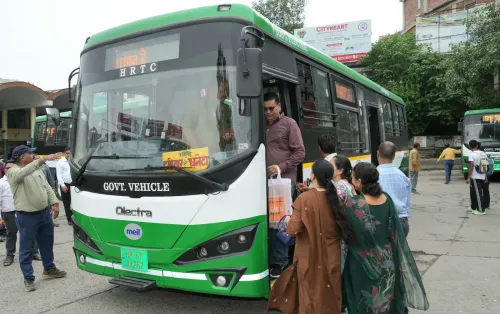
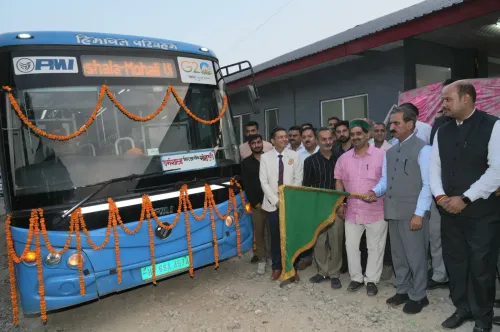
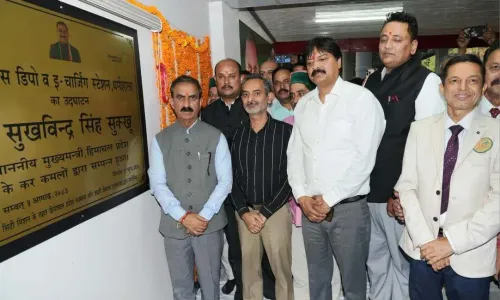
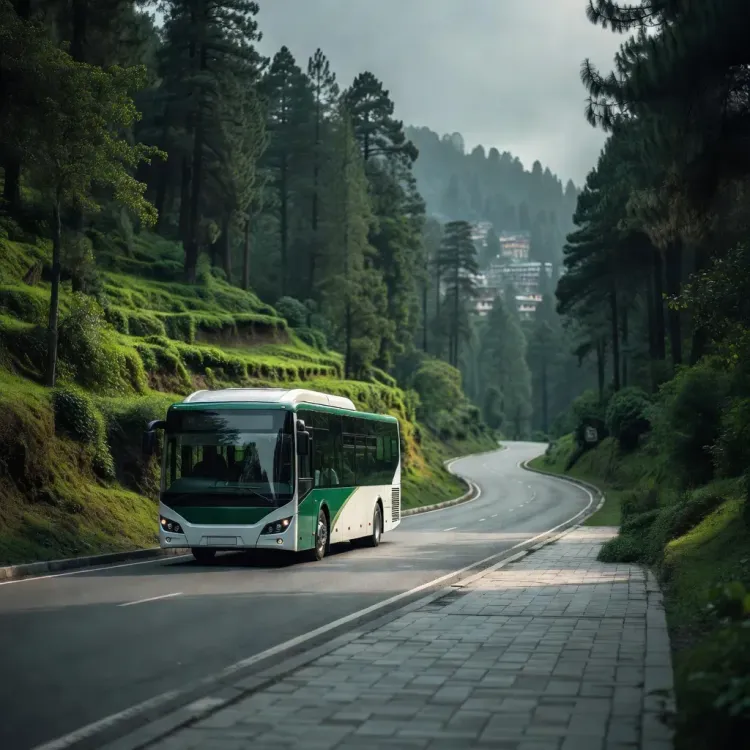
The Chief Minister's Office of Himachal Pradesh on Wednesday, 17 June 2026 shared that an official journey was undertaken by electric bus from a workshop to Circuit House, Dharamshala, highlighting the state's push for green-energy-based public transport in its winter capital.
The post, shared in Hindi, stated: 'इलेक्ट्रिक बस में वर्कशॉप से सर्किट हाउस, धर्मशाला तक यात्रा की' — ('Travelled by electric bus from the workshop to Circuit House, Dharamshala'). It added that this green-energy-based arrangement not only strengthens environmental balance but also provides a more comfortable and dignified travel experience for local residents and tourists.
Context
Dharamshala, located in Kangra district, serves as the winter capital of Himachal Pradesh and is a major tourist and pilgrimage hub. The town's narrow roads, sensitive ecology, and high tourist footfall make it a priority zone for cleaner modes of transport. The Circuit House referenced in the post is a key government facility in the region regularly used for official engagements.
Policy Backdrop
Himachal Pradesh has been an active participant in centrally sponsored schemes — including FAME-II and the PM-eBus Sewa initiative — aimed at deploying electric buses across hill towns to reduce vehicular emissions. The state has specifically targeted green mobility corridors in districts such as Kangra and Shimla, where diesel-powered vehicles have long posed challenges to air quality and forest ecosystems.
India's national target of 30 per cent electric vehicle penetration by 2030 has given additional impetus to Himalayan states to accelerate electric public transport. Himachal Pradesh's moves align with a broader regional pattern of replacing fossil-fuel fleets with zero-emission alternatives in ecologically sensitive tourist zones.
Stakeholders and Impact
The primary beneficiaries of electric bus deployment in Dharamshala are local residents who depend on public transport for daily commutes, and the large volume of domestic and international tourists who visit the region annually. Reduced noise and exhaust emissions are particularly valued in a town that also hosts the residence of the Dalai Lama and attracts pilgrims from across the world.
For the state government, demonstrating official use of electric buses — as reflected in this post — carries a symbolic dimension: it signals institutional commitment beyond policy documents. Such visible adoption by the administration can build public trust in the reliability and comfort of green transport options.
What's Next
The state transport department's annual action plan is expected to outline further rollout of electric bus routes across Himachal Pradesh, with Dharamshala likely to remain a focal point given its tourist profile and ecological sensitivity. Integration with proposed ropeway or multimodal transport projects in the region could expand last-mile connectivity further.
As green mobility infrastructure matures, the emphasis is expected to shift from fleet acquisition to route optimisation, charging infrastructure expansion, and passenger awareness — steps that will determine whether electric public transport becomes the default choice in Himachal Pradesh's hill towns.
Point of View
Positioning Dharamshala as a clean, quiet, and sustainable destination carries economic logic alongside environmental intent. The post fits a wider pattern among Himalayan state governments of using visible official adoption to accelerate public acceptance of EV fleets in markets where range anxiety and comfort perceptions remain barriers. Whether this translates into measurable fleet expansion or route additions will be the real test of the state's green mobility commitment.
NationPress
19 Sept 2026
Frequently Asked Questions
What is the electric bus route from workshop to Circuit House Dharamshala?
The Chief Minister's Office of Himachal Pradesh posted on 17 June 2026 about an electric bus journey between a workshop and Circuit House in Dharamshala, though specific route details and fleet numbers have not been officially confirmed beyond this announcement.
What is PM-eBus Sewa and does it cover Himachal Pradesh?
PM-eBus Sewa is a central government scheme to deploy electric buses in cities and towns across India. Himachal Pradesh has participated in this initiative alongside the earlier FAME-II scheme to introduce electric buses in hill towns including Dharamshala.
Why is electric bus service important for Dharamshala?
Dharamshala is an ecologically sensitive hill town in Kangra district that serves as Himachal Pradesh's winter capital and a major tourist destination. Electric buses reduce vehicular emissions and noise, protecting the local environment while improving travel comfort for residents and tourists.
What is Himachal Pradesh's green transport policy?
Himachal Pradesh has been developing green mobility corridors in districts such as Kangra and Shimla, deploying electric buses under central schemes like FAME-II and PM-eBus Sewa, in line with India's national target of 30 per cent EV penetration by 2030.
What is Circuit House Dharamshala?
Circuit House Dharamshala is a government guesthouse facility in the Dharamshala area, frequently used for official travel and government events in the winter capital region of Himachal Pradesh.