HP CM Sukhu dissolves Subordinate Selection Board, sends guilty to jail
Synopsis
Chief Minister Sukhvinder Singh Sukhu announced on Independence Day 2026 that Himachal Pradesh's Subordinate Selection Board has been dissolved and officials found guilty of irregularities have been jailed, framing it as a landmark accountability move by his Congress government.
Key Takeaways
CM Sukhvinder Singh Sukhu announced the dissolution of the Himachal Pradesh Subordinate Selection Board on August 15, 2026 .
Officials found guilty in connection with the board have been sent to jail, according to the Chief Minister's statement.
The board was responsible for recruiting staff to subordinate services positions across the state administration.
The announcement was made on Independence Day , signalling the government's intent to highlight it as a governance achievement.
Recruitment irregularities in subordinate-level boards have been a recurring issue across multiple Indian states.
The next steps to watch are the constitution of a replacement body and the progress of criminal cases against convicted officials.
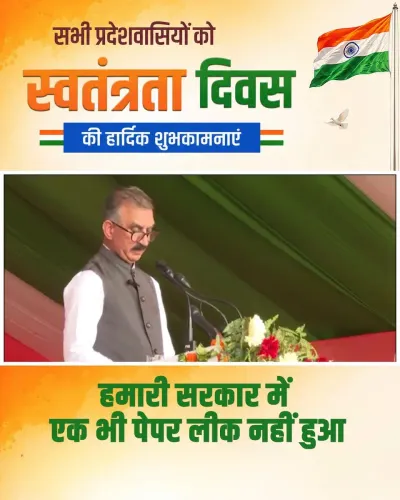
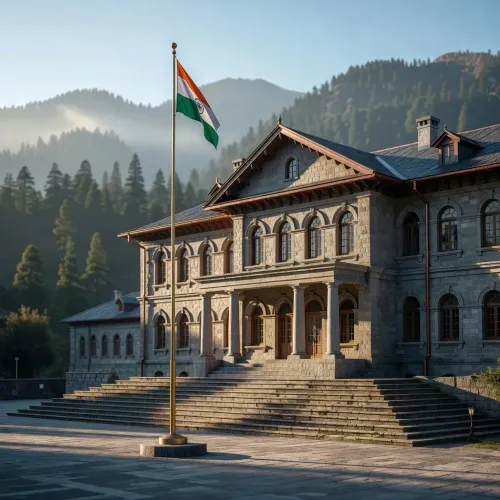
On Independence Day, August 15, 2026, the Chief Minister's Office of Himachal Pradesh posted a pointed declaration from Chief Minister Thakur Sukhvinder Singh Sukhu — the Subordinate Selection Board has been dissolved and those found guilty have been sent behind bars.
The post, in the Chief Minister's own words, reads: 'सबऑर्डिनेट सेलेक्शन बोर्ड को भंग किया और दोषियों को जेल की सलाखों के पीछे पहुँचाया।' — 'The Subordinate Selection Board has been dissolved and the guilty have been put behind prison bars.'
What the Subordinate Selection Board was, and why it mattered
The Himachal Pradesh Subordinate Selection Board was the state government body tasked with recruiting staff to subordinate services positions across the state administration — roles that directly affect public delivery at the district and block level. Recruitment boards at this tier across Indian states have historically been flashpoints for paper-leak allegations, bribery, and proxy-candidate scandals. Himachal Pradesh is no exception to that national pattern.
CM Sukhu, who has led the state Congress government since December 2022, has framed the dissolution not merely as an administrative reshuffle but as a punitive accountability measure — the board did not just get wound up, people went to jail. That distinction is deliberate and politically loaded on a day when accountability rhetoric carries maximum resonance.
Independence Day as the chosen stage
Announcing this on August 15 is not incidental. Independence Day speeches and declarations in India function as a chief minister's annual report card — a moment to plant a flag on what has been done. Sukhu's choice to highlight the board's dissolution on this day signals that his government considers it a flagship governance win, not a routine administrative action.
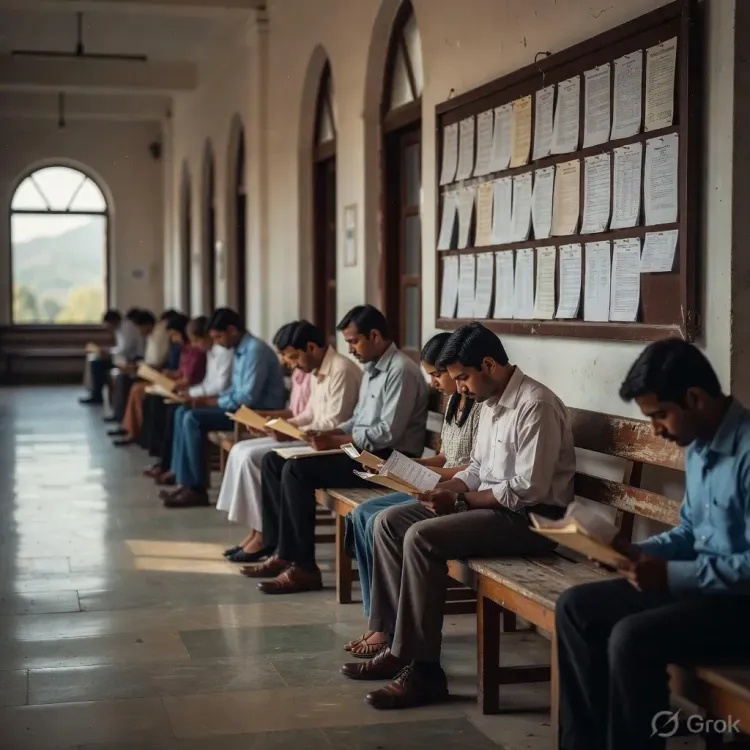
For the thousands of job aspirants in Himachal Pradesh who compete fiercely for limited government posts, the promise that irregularities have been punished — and not merely swept under a committee report — carries real weight. The question that follows, naturally, is what replaces the board and whether the new recruitment architecture will hold.
The next test for Sukhu's accountability pitch: whether a credible successor body is constituted quickly, and whether the criminal cases against the convicted officials move through the courts without stalling. A dissolved board with pending trials that drag on tells a different story than the one being told today.
Point of View
It also serves as a pre-emptive counter to opposition narratives about governance drift. The broader pattern across Indian states shows that dissolving a recruitment body is the easy part; the harder test is whether replacement institutions are insulated from the same pressures. If the criminal cases stall or the successor body is delayed, the optics of today's announcement could reverse sharply.
NationPress
30 Sept 2026
Frequently Asked Questions
Why was the Himachal Pradesh Subordinate Selection Board dissolved?
Chief Minister Sukhvinder Singh Sukhu announced the dissolution as an accountability measure following irregularities, with guilty officials also sent to jail. The specific findings that triggered the action have not been detailed in the official statement.
What did the HP Subordinate Selection Board do?
The Himachal Pradesh Subordinate Selection Board was the state government body responsible for recruiting candidates to subordinate services positions in the state administration, covering a large number of government jobs at the district and block level.
Who is Sukhvinder Singh Sukhu?
Sukhvinder Singh Sukhu is the Chief Minister of Himachal Pradesh, heading the state Congress government since December 2022.
What happens to recruitment in Himachal Pradesh now that the board is dissolved?
The government has not yet announced a formal replacement body. Observers and job aspirants are watching for the constitution of a new recruitment authority and the outcome of ongoing legal proceedings against convicted officials.
Is recruitment board dissolution common in India?
Yes. Several Indian states have dissolved or restructured subordinate recruitment boards in response to paper-leak scandals, bribery allegations, and proxy-candidate cases. Himachal Pradesh's move fits a broader national pattern of periodic board reforms triggered by public pressure over hiring irregularities.