HP CM Sukhu meets medical faculty on healthcare access
Synopsis
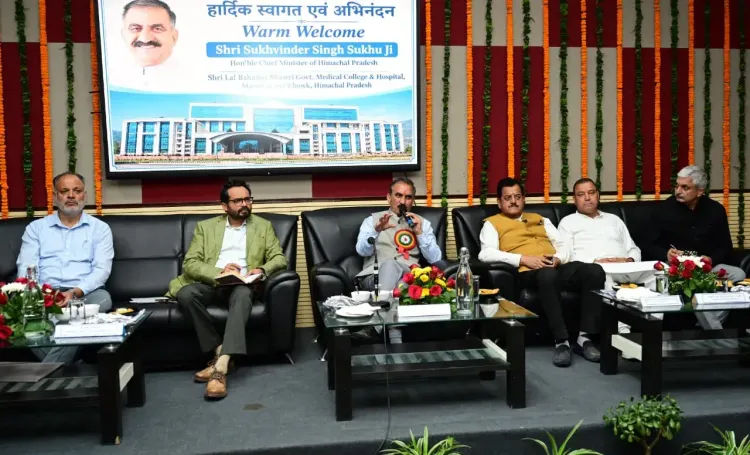
Chief Minister Sukhvinder Singh Sukhu held a discussion with medical faculty members on 26 September 2026 to strengthen healthcare services and medical education in Himachal Pradesh, aiming to reduce the burden on patients forced to travel to distant cities for treatment.
Key Takeaways
CM Sukhu held talks with medical faculty members on 26 September 2026 focused on improving health services and medical education in Himachal Pradesh.
The Chief Minister stated the government aims to reduce the hardship of patients having to travel to distant cities for specialist treatment.
The discussions were described as 'sarthak charcha' — meaningful dialogue — signalling a consultative approach rather than a top-down directive.
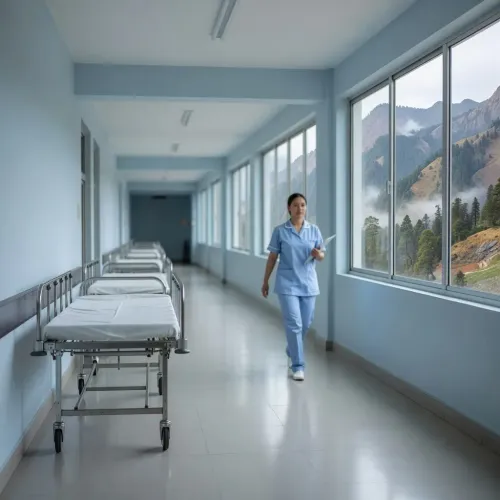
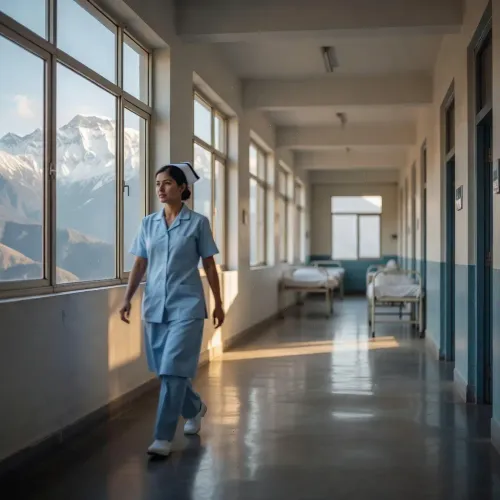
Himachal Pradesh's difficult terrain has long forced rural patients to seek advanced care in metros like Chandigarh and Delhi at significant personal cost.
The state's key government medical colleges — IGMC Shimla and RPGMC Tanda — are the likely focus of any capacity-expansion measures that emerge from this engagement.
Concrete follow-up steps such as faculty recruitment, new postgraduate seats, or hospital equipment upgrades are yet to be officially announced.
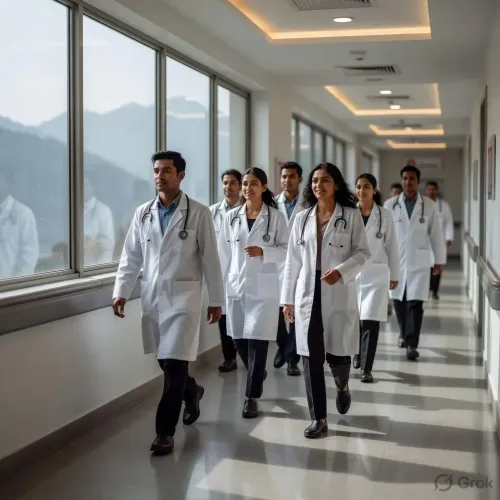
For residents of Himachal Pradesh's remote valleys and high-altitude villages, getting specialist medical care has long meant an exhausting journey to Chandigarh, Delhi, or beyond — a burden that Chief Minister Thakur Sukhvinder Singh Sukhu says is now squarely in his government's sights. On Saturday, 26 September 2026, the Chief Minister's Office of Himachal Pradesh shared that Sukhu held a focused discussion with medical faculty members on strengthening both medical education and health service delivery across the state.
Posting in Hindi, the Chief Minister's Office quoted Sukhu directly: 'इलाज के लिए दूर के शहरों तक जाने की परेशानी भी कम होगी' — 'The hardship of travelling to distant cities for treatment will also be reduced.' The post described the talks with faculty members as 'sarthak charcha' — meaningful dialogue — on making medical education and health services better.Why distance is the defining health problem in Himachal
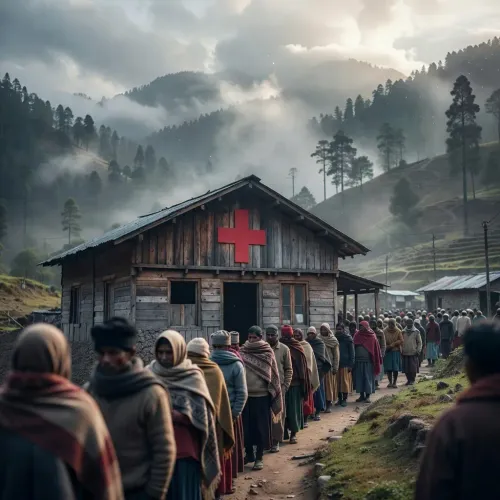
Himachal Pradesh's broken topography is not just a scenic asset — it is a structural healthcare liability. Mountain roads, seasonal snowfall, and sparse specialist infrastructure have historically funnelled patients toward metro hospitals, draining both family finances and the state's health system. Rural patients often spend more on transport and lodging than on the treatment itself. Reducing that outflow requires building credible tertiary and super-specialty capacity within the state — which is precisely where the conversation with faculty feeds in. The state already operates flagship medical colleges, including Indira Gandhi Medical College (IGMC) Shimla and Dr Rajendra Prasad Government Medical College (RPGMC) Tanda, both of which have been targets of incremental expansion under successive governments. Sukhu's engagement with faculty signals a focus on the supply side: without enough trained specialists willing to serve in hilly postings, new buildings and equipment stay underutilised.Faculty at the centre of the fix
The choice to sit down specifically with faculty members — rather than issuing a top-down order — carries its own message. Medical educators are simultaneously the bottleneck and the solution: they train the next generation of doctors, anchor postgraduate programmes that qualify institutions for advanced procedures, and shape whether a government college can retain talent. A 'meaningful dialogue' framing suggests the government is listening for what faculty need — better pay, research infrastructure, residential facilities in remote postings — before announcing any structural change. This mirrors a broader national pattern under Ayushman Bharat and related schemes, where decentralising tertiary care to district and state-level hospitals has been the stated policy goal. Himachal's challenge is executing that in a geography where every kilometre of road is earned.What the signal means for patients
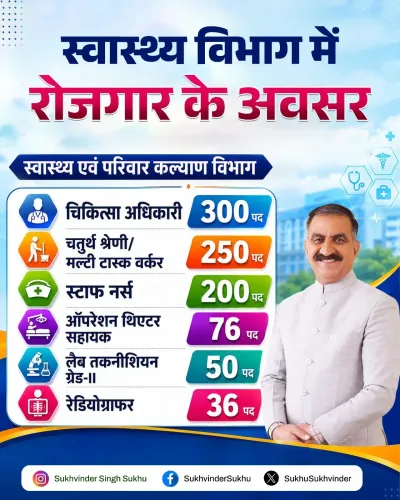
For now, the post is a statement of intent, not a programme announcement. But the direction is clear: the Sukhu government is framing healthcare access as an equity issue tied directly to the state's terrain, and is positioning faculty engagement as the foundation of any durable fix. Concrete follow-through — new postgraduate seats, faculty recruitment drives, equipment upgrades in district hospitals — will determine whether this dialogue translates into shorter journeys for the patients who need it most.Point of View
But Himachal's execution challenge is steeper than most plains states. The real test will come in the budget cycle, when intent either converts into sanctioned posts and upgraded facilities, or quietly recedes.
NationPress
26 Sept 2026
Frequently Asked Questions
What did CM Sukhu discuss with medical faculty in Himachal Pradesh?
Chief Minister Sukhvinder Singh Sukhu held a discussion with medical faculty members on 26 September 2026 to explore ways to improve medical education and health services, with the stated goal of reducing the burden on patients who must travel to distant cities for treatment.
Why do Himachal Pradesh residents travel to other cities for medical treatment?
Himachal Pradesh's mountainous terrain and limited specialist infrastructure mean that patients needing advanced or super-specialty care often have no local option and must travel to hospitals in Chandigarh, Delhi, or other metros, incurring high travel and accommodation costs.
Which medical colleges are the focus of healthcare improvement in Himachal Pradesh?
The primary government medical colleges in Himachal Pradesh are Indira Gandhi Medical College (IGMC) in Shimla and Dr Rajendra Prasad Government Medical College (RPGMC) in Tanda, both of which have been targets of ongoing expansion efforts.
What is Sukhvinder Singh Sukhu's role in Himachal Pradesh?
Sukhvinder Singh Sukhu is the Chief Minister of Himachal Pradesh, a position he has held since December 2022. He leads state policy on areas including healthcare access and medical education reform.
How does Ayushman Bharat relate to Himachal Pradesh's healthcare plans?
Ayushman Bharat, the central government's flagship health scheme, promotes decentralisation of tertiary care to state and district hospitals. Himachal Pradesh's push to strengthen local medical colleges fits within this broader national policy direction, though implementation in hilly terrain presents unique logistical challenges.