Thousands rally in Washington against Xi Jinping over China human rights abuses
Synopsis
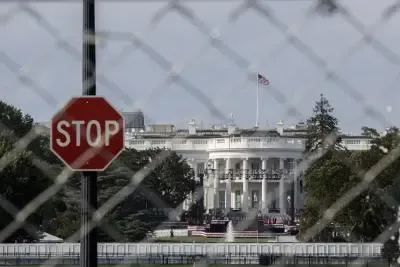
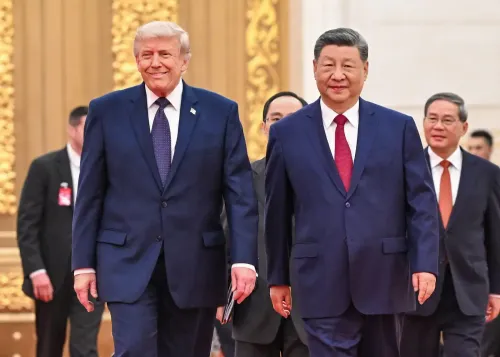
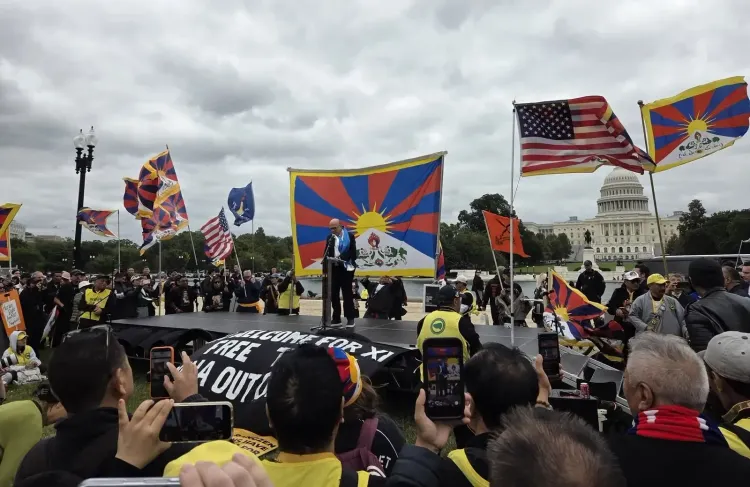
As Xi Jinping arrived in Washington for his first US State Visit in over a decade, more than 3,000 Tibetan and allied protesters staged what organisers called the largest-ever Tibetan rally in North America — with US lawmakers on stage, a self-immolation martyr in memory, and a pointed demand: make human rights a condition of doing business with Beijing.
Key Takeaways
More than 3,000 protesters gathered in Washington, D.C. on 26 September , marking what organisers called the largest-ever Tibetan rally in North America.
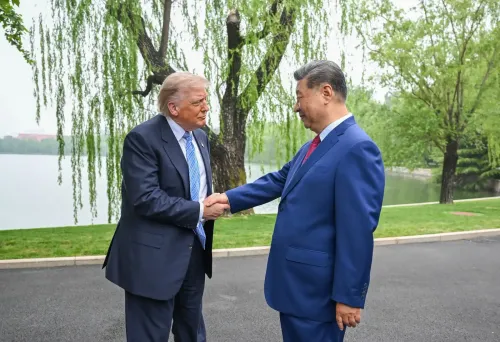
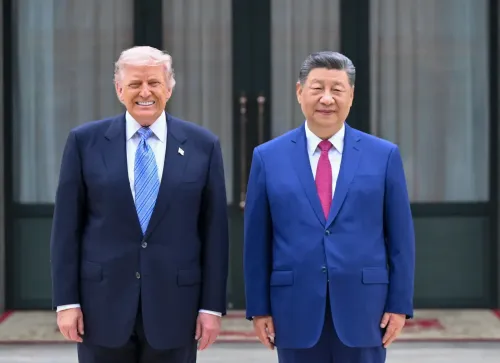
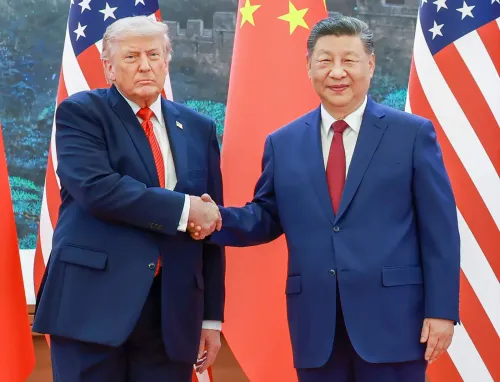
The protest coincided with Chinese President Xi Jinping's first State Visit to the US capital in over a decade.
The rally was organised by the Tibetan Youth Congress (TYC) and included Uyghur , Taiwanese , Burmese , Falun Gong , and Chinese Christian groups.
Protesters demanded repeal of China's Ethnic Unity and Progress Promotion Law (effective July 2026 ) and release of political and religious prisoners.
Former House Speaker Nancy Pelosi and US Representative Jim McGovern addressed the crowd, calling on President Trump to raise human rights with Xi.
The rally was also shaped by the death of activist Lobga Rangzen , 52 , who self-immolated outside the UN headquarters in New York on 2 July .
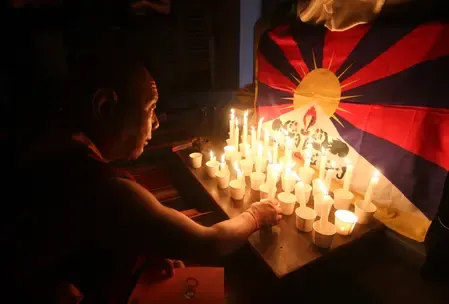
More than 3,000 Tibetan protesters marched through Washington, D.C. on Thursday, 26 September, staging what organisers described as the largest-ever Tibetan rally in North America, coinciding with Chinese President Xi Jinping's first State Visit to the US capital in over a decade. Demonstrators carried Tibetan flags and placards bearing slogans including 'Xi Jinping is guilty of genocide' and 'Tibet was never a part of China,' according to a report in online magazine The Diplomat.
A Broad Coalition of Dissent
The protest, organised by the Tibetan Youth Congress (TYC) with support from allied activist groups, drew a coalition that extended well beyond Tibet. Uyghur, Southern Mongolian, Chinese democracy, Taiwanese, Burmese, Falun Gong, and Chinese Christian communities — all groups that say they have faced persecution under the Chinese Communist Party (CCP) — joined the march, reflecting a unified front against Beijing's human rights record.
Key Demands from Protesters
Demonstrators presented a set of specific demands they urged US President Donald Trump to raise in his discussions with Xi. These included the release of political and religious prisoners in China, the right for Tibetans to preserve their language and culture, and the repeal of China's new Ethnic Unity and Progress Promotion Law, which took effect in July and promotes what Beijing describes as a shared identity among China's 56 ethnic groups. Critics argue the law is designed to erode the distinct cultural identities of minority groups.
US Lawmakers Join the Rally
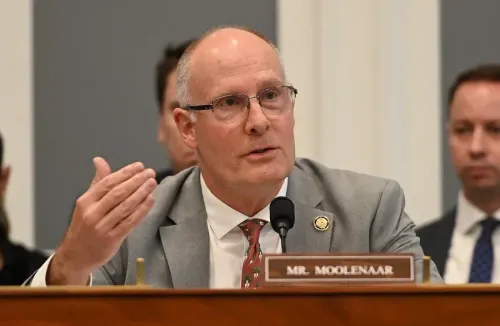
Former House Speaker Nancy Pelosi and Democratic US Representative Jim McGovern addressed the crowd, expressing solidarity with protesters. McGovern called explicitly for human rights to be placed on the agenda of Trump's talks with Xi. 'No Xi in DC without human rights,' he told the rally, according to The Diplomat. McGovern also criticised fellow lawmakers for not pressuring the administration to raise the issue with Beijing. 'Are they afraid of Donald Trump? Are they afraid he'll be offended if they ask him to ask Xi to release prisoners of conscience?' he was quoted as saying. Pelosi, for her part, drew attention to abuses in Tibet and urged the release of those imprisoned for their beliefs.
The Shadow of a Self-Immolation
For many at the rally, Thursday's demonstration carried a personal weight shaped by the death of Lobga Rangzen, a longtime Tibetan independence activist who died on 2 July after self-immolating outside the United Nations headquarters in New York. Rangzen, 52, had issued a final message calling for Tibetan independence and unity before setting himself on fire. His death lent additional urgency to the gathering.
Movement Leaders Signal Resolve
Jigme Ugen, president of the Tibetan National Congress, said the turnout was a testament to the movement's continued vitality. 'This is the biggest gathering, as such, to not just protest Xi Jinping, but also to tell the world and the U.S. government that the Tibetan movement, and the call for Tibetan independence, is still very much alive,' Ugen said, as quoted by The Diplomat. With US-China bilateral talks under way in Washington, the coming days will test whether the protests translate into any formal diplomatic pressure on Beijing's human rights record.
Point of View
Not merely symbolic in their intent. Yet the harder question is whether the Trump administration, which has historically subordinated human rights to trade leverage with Beijing, will allow any of these demands to surface in the bilateral room. McGovern's public rebuke of his own Republican colleagues is telling: on China, the bipartisan consensus on rights has frayed, and the protesters know it. The rally's size may generate headlines, but without congressional or executive follow-through, it risks becoming a recurring ritual — large, visible, and diplomatically inconsequential.
NationPress
26 Sept 2026
Frequently Asked Questions
Why did Tibetan protesters rally in Washington on 26 September?
Protesters gathered to coincide with Chinese President Xi Jinping's State Visit to Washington — his first in over a decade — demanding that the US raise China's human rights abuses in bilateral talks. More than 3,000 people participated in what organisers called the largest-ever Tibetan rally in North America.
Who organised the Washington protest against Xi Jinping?
The rally was primarily organised by the Tibetan Youth Congress (TYC), with support from other Tibetan activist groups and a broader coalition including Uyghur, Taiwanese, Burmese, Falun Gong, and Chinese Christian communities.
What were the protesters' key demands?
Protesters called on US President Donald Trump to raise human rights with Xi Jinping, secure the release of political and religious prisoners in China, protect Tibetan language and culture, and repeal China's Ethnic Unity and Progress Promotion Law, which took effect in July 2026.
Which US lawmakers joined the Tibet rally in Washington?
Former House Speaker Nancy Pelosi and Democratic US Representative Jim McGovern attended and addressed the rally. McGovern called for human rights to be part of Trump's agenda with Xi and criticised Republicans for not pressing the administration on the issue.
Who was Lobga Rangzen and why was he significant to the rally?
Lobga Rangzen, 52, was a longtime Tibetan independence activist who died on 2 July after self-immolating outside the United Nations headquarters in New York, issuing a final call for Tibetan independence and unity. His death significantly shaped the emotional context of Thursday's demonstration.