Democrats urge Trump to raise Tibet, Uyghur rights with Xi at White House
Synopsis
With Xi Jinping's White House state dinner days away, senior Democrats — including Nancy Pelosi and Ro Khanna — went on the record accusing Donald Trump of stripping human rights from US-China policy in favour of transactional deal-making. The hearing's stark charge: 650,000 Tibetans forcibly displaced in 2024, Uyghur forced-labour enforcement weakened, and Radio Free Asia facing elimination — all while Trump prepares to dine with Xi.
Key Takeaways
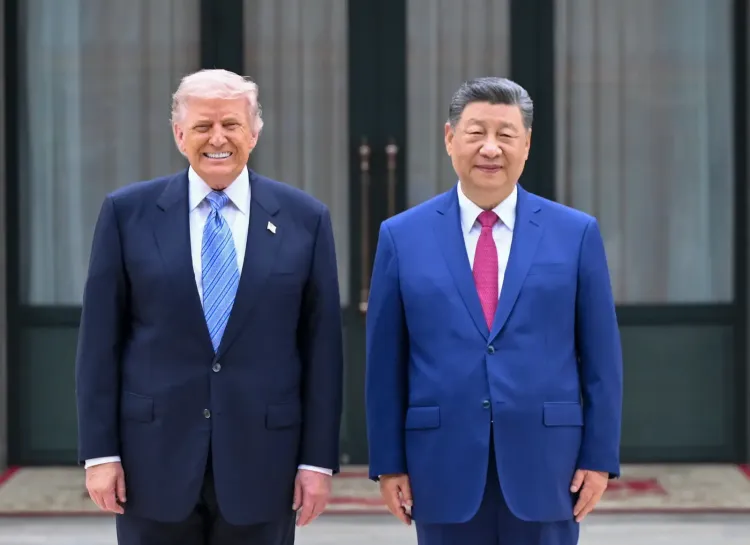
Democratic lawmakers held a hearing on 16 September 2026 urging President Donald Trump to raise human rights with Xi Jinping at an upcoming White House state dinner.
Representative Greg Stanton alleged 650,000 Tibetans were forcibly displaced in 2024 , with an estimated 3.5 million displaced since 2000 .
Representative Jim McGovern accused the Trump administration of replacing a dual engagement-and-pressure approach with a purely 'transactional' foreign policy.
Representative Ro Khanna challenged whether Trump's trade rhetoric translated into enforcement against goods made with forced labour.
The current Congress has not passed a single China human rights bill, contrasting with several bipartisan measures enacted between 2018 and 2024 .
Administration moves to cut Radio Free Asia and Voice of America were criticised as undermining independent information access inside China.
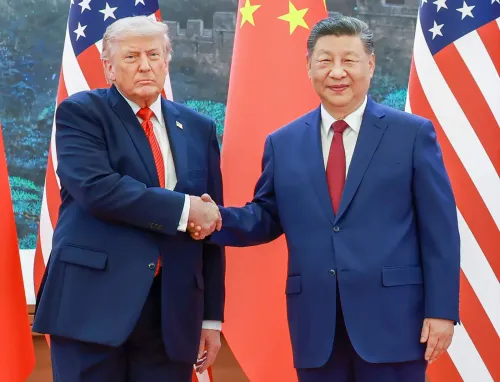
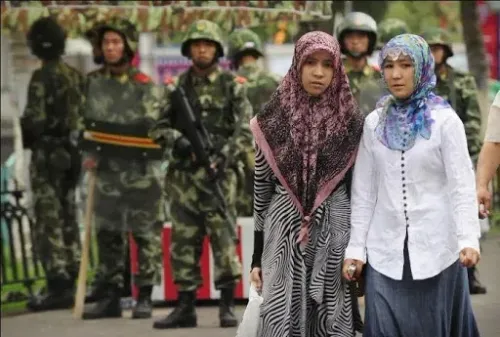
Democratic lawmakers on Tuesday, 16 September 2026, formally urged President Donald Trump to place human rights at the centre of his forthcoming meeting with Chinese President Xi Jinping, warning that commercial priorities were pushing concerns over Beijing's treatment of Tibetans, Uyghurs, Hong Kongers, and other minorities to the sidelines of US foreign policy.
What the Hearing Covered
The Democratic-led congressional hearing brought together Representatives Greg Stanton, Jim McGovern, Ro Khanna, Nancy Pelosi, and Seth Moulton, whose opening statements were released on 16 September local time. Witnesses included Tahir Imin, founder of Uyghur Post; Palden Gyal, president of the International Tibet Media Organization; China researcher Yaqiu Wang; and Hong Kong freedom advocate Jonathan Stivers.
Key Allegations Against the Trump Administration
Representative Stanton said Trump was set to host Xi for a state dinner the following week and urged Washington to directly confront Beijing over its treatment of ethnic and religious minorities. He alleged that 650,000 Tibetans were forced from their homes in 2024 under a rural-worker transfer programme, and cited an estimate that nearly 3.5 million Tibetans had been displaced since 2000. He added that persecution of Uyghurs had continued for more than three years since the House select committee on China last held a dedicated hearing on the issue.
'Standing up for the oppressed in the PRC, whether it be Uyghurs, Tibetans, Hong Kongers, Mongolians, or Han Chinese, has always been and must be a bipartisan issue,' Stanton said.
Representative McGovern, the senior Democrat on the Congressional-Executive Commission on China, accused the Trump administration of discarding a longstanding dual-track approach that combined diplomatic engagement with consistent human rights pressure. 'President Trump has removed human rights from US foreign policy in favour of a transactional approach,' McGovern said. He also criticised Secretary of State Marco Rubio over cuts to the State Department's human rights programmes and grants to China-focused civil society organisations, and attacked administration moves to eliminate Radio Free Asia and Voice of America.
Forced Labour and Trade Enforcement
Representative Khanna, the senior Democrat on the House select committee on China, questioned whether the administration's trade rhetoric had translated into enforcement against goods produced through forced labour. 'We actually were enforcing the law,' Khanna said, in a reference to the previous Biden administration's record. He accused Trump of failing to follow through despite stated commitments to protect American manufacturers and rebalance trade with China.
Pelosi and Moulton on Values and Visibility
Former House Speaker Pelosi warned against allowing business interests to dictate Washington's response to documented abuses in China, and stressed the importance of publicly naming political prisoners. 'We always want to mention, whether we're delivering letters, whether we're speaking on the floor, whatever it is, to make sure that people in prison know that they are not forgotten, that their courage is recognised, and we will not rest until there is some justice in all of this,' she said.
Representative Moulton argued that the contest with China extended beyond military and economic power to international leadership and values, and said cuts to independent journalism and civil society programmes had weakened America's capacity to reach audiences inside China.
Legislative Record and Historical Context
The hearing pointed to a notable legislative slowdown: according to McGovern, the current Congress had not sent a single China human rights bill to the president, contrasting with several bipartisan measures passed between 2018 and 2024. Those include the Reciprocal Access to Tibet Act, the Tibetan Policy and Support Act, and the Uyghur Forced Labor Prevention Act. McGovern also cited the 2007 ceremony in which the Dalai Lama received the Congressional Gold Medal — attended by President George W. Bush and congressional leaders from both parties — as an illustration of Washington's earlier bipartisan commitment on the issue.
No response from the White House or the Chinese government was available at the time of the hearing. With Xi's state visit imminent, the Democrats' pushback signals that human rights will remain a contested fault line in the broader US-China relationship regardless of any trade or diplomatic breakthroughs.
Point of View
But enforcement discretion lies with the executive, and the gap between law and practice is widening. The bipartisan consensus that produced legislation between 2018 and 2024 has visibly frayed; the current Congress's blank scorecard on China human rights bills is the most telling data point of all.
NationPress
17 Sept 2026
Frequently Asked Questions
Why are Democrats urging Trump to raise Tibet and Uyghur rights with Xi Jinping?
Democratic lawmakers argue the Trump administration has sidelined human rights in favour of a transactional approach to China, particularly ahead of Xi Jinping's scheduled White House state dinner. They want the president to directly confront Beijing over documented repression of Tibetans, Uyghurs, and other minorities during the visit.
What did the congressional hearing allege about Tibetan displacement?
Representative Greg Stanton alleged that 650,000 Tibetans were forced from their homes in 2024 under a rural-worker transfer programme, and cited an estimate that nearly 3.5 million Tibetans had been displaced since 2000. These figures were presented at the Democratic-led hearing on 16 September 2026.
What laws has the US previously passed on Uyghur and Tibet rights?
Congress passed several bipartisan measures between 2018 and 2024, including the Reciprocal Access to Tibet Act, the Tibetan Policy and Support Act, and the Uyghur Forced Labor Prevention Act. Democrats note that no comparable China human rights legislation has reached the president under the current Congress.
What has the Trump administration been accused of cutting?
Representative Jim McGovern criticised Secretary of State Marco Rubio over reductions to the State Department's human rights programmes and grants to China-focused civil society groups. Lawmakers also attacked administration efforts to eliminate Radio Free Asia and Voice of America, which provide independent information to audiences inside China.
Who testified at the hearing?
Witnesses included Tahir Imin, founder of Uyghur Post; Palden Gyal, president of the International Tibet Media Organization; China researcher Yaqiu Wang; and Hong Kong freedom advocate Jonathan Stivers. Representatives Greg Stanton, Jim McGovern, Ro Khanna, Nancy Pelosi, and Seth Moulton led the proceedings.