2,000+ Tibetans, activists to protest Xi Jinping's Washington visit
Synopsis
More than 2,000 Tibetans — joined by Uyghurs, Hong Kongers, Taiwanese and Chinese democracy activists — are staging a daylong coordinated protest in Washington against Xi Jinping's visit, with marches, a Capitol rally and a candlelight vigil. The scale and multi-community coalition make it one of the broadest anti-Beijing mobilisations in the US capital in recent memory.
Key Takeaways
More than 2,000 Tibetans from across North America will join a multi-community coalition in Washington, D.C. on 24 September 2026 to protest Xi Jinping's visit.
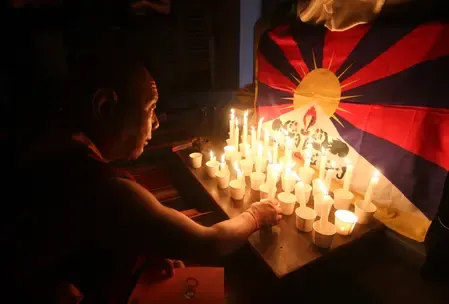
Events span the Chinese Embassy , Dupont Circle , the US Capitol and Franklin Park , including a candlelight vigil.
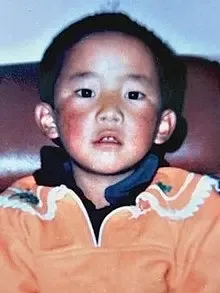
Key demands include the release of the 11th Panchen Lama , other political prisoners, and resumption of China-Tibet dialogue.
The Tibetan Youth Congress and Capital Area Tibetan Association are leading the Tibetan contingent, backed by the International Campaign for Tibet and others.
A coalition of 30 human rights organisations has also sent an open letter to President Xi ahead of the visit.
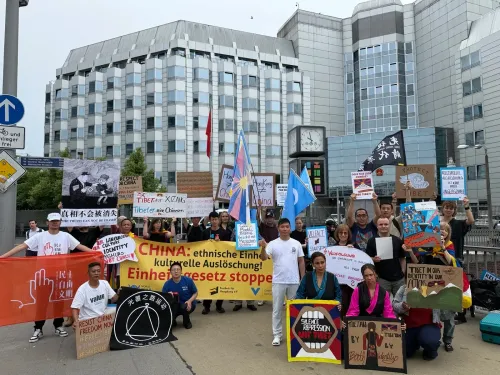
More than 2,000 Tibetans from across North America are set to converge on Washington, D.C. on Thursday, 24 September 2026, joining Uyghurs, Hong Kongers, Taiwanese, Southern Mongolians and Chinese democracy activists in a large-scale demonstration against Chinese President Xi Jinping's visit. The daylong mobilisation marks one of the most coordinated multi-community protests ahead of a Chinese leader's presence in the US capital in recent years.
How the Day Will Unfold
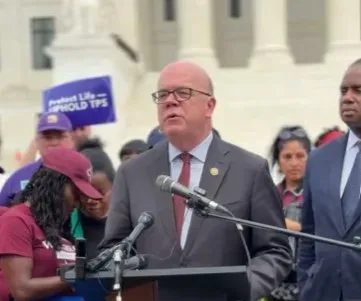
The demonstrations are structured across several landmark locations. Protesters will begin outside the Chinese Embassy before marching through Dupont Circle toward the US Capitol. A coalition rally featuring members of Congress and community leaders is scheduled near the Capitol in the afternoon, followed by a candlelight vigil and community programme at Franklin Park in the evening.
Organisers have said demonstrators will formally declare Xi 'not welcome' and draw attention to concerns over political prisoners, religious freedom, transnational repression, and threats to cultural and linguistic identities under his government.
Who Is Leading the Tibetan Mobilisation
The Tibetan Youth Congress and the Capital Area Tibetan Association are spearheading the Tibetan turnout. They are backed by the International Campaign for Tibet, Students for a Free Tibet, the Tibetan National Congress, and several allied organisations.
Confirmed speakers at the Capitol rally include Tibetan Youth Congress President Tsering Chomphel, International Campaign for Tibet President Tencho Gyatso, and Capital Area Tibetan Association President Tenzin Norbu. International Campaign for Tibet Executive Director Ryan Fioresi is scheduled to address the evening programme.
Broader Coalition: Uyghurs, Hong Kong, and Democracy Voices
The protest extends well beyond the Tibetan community. Uyghur, Hong Kong, Southern Mongolian and Chinese democracy leaders — including Omer Kanat, Frances Hui, Enghebatu Togochog, and Shengchun 'Sophie' Luo — are among those expected to take the stage. The convergence of these groups reflects a shared concern over Beijing's policies toward minority and dissident communities.
Key Demands: Panchen Lama, Prisoners, and Dialogue
Organisers say protesters will specifically call for the release of the 11th Panchen Lama — who disappeared in 1995 after Beijing rejected the Dalai Lama's selection — and other Tibetan political prisoners. The coalition will also demand the resumption of dialogue between Chinese leaders and Tibetan representatives, a process that has remained stalled for over a decade.
Additionally, protesters are seeking the repeal of laws and policies they argue promote forced assimilation and erode distinct cultural, religious and linguistic identities. Ahead of the visit, the International Campaign for Tibet joined a coalition of 30 human rights organisations in sending an open letter to President Xi, calling for the release of prisoners of conscience, an end to transnational repression, and concrete steps to improve China's human rights record.
Context and Significance
This comes amid persistent international scrutiny of China's record in Tibet, Xinjiang, and Hong Kong. Human rights groups have repeatedly flagged Beijing's use of transnational repression — targeting diaspora communities through surveillance and coercion abroad — as a growing concern for host governments including the United States. The scale of Thursday's mobilisation, drawing communities from multiple suppressed regions under a single coalition, is notably broader than past single-cause demonstrations. All eyes will be on whether US lawmakers who address the rally translate their platform appearance into legislative or diplomatic pressure on Beijing.
Point of View
Uyghurs, Hong Kongers, Taiwanese and Southern Mongolians marching together — is itself the news, not just the size of the turnout. It signals a maturing of diaspora political coordination that Beijing will track closely, precisely because unified messaging is harder to dismiss than single-issue protests. The more pointed question is whether the US lawmakers sharing a stage at the Capitol rally will follow through with concrete legislative action, or whether the demonstration serves as political optics for both sides. Past high-profile protests ahead of Chinese leader visits have rarely shifted US-China diplomatic posture in the short term; the test this time is whether the 30-organisation letter and congressional participation translate into any verifiable policy pressure.
NationPress
24 Sept 2026
Frequently Asked Questions
Why are Tibetans and other groups protesting Xi Jinping's Washington visit?
Protesters are demanding the release of the 11th Panchen Lama and other political prisoners, an end to transnational repression, and the resumption of dialogue between Chinese leaders and Tibetan representatives. Groups including Uyghurs, Hong Kongers and Chinese democracy activists share overlapping concerns about Beijing's policies toward minority and dissident communities.
Where and when is the protest taking place?
The daylong demonstration is scheduled for Thursday, 24 September 2026, in Washington, D.C. It begins outside the Chinese Embassy, moves through Dupont Circle to the US Capitol for an afternoon rally, and concludes with a candlelight vigil at Franklin Park in the evening.
Who is organising the Tibetan contingent?
The Tibetan Youth Congress and the Capital Area Tibetan Association are leading the Tibetan mobilisation, supported by the International Campaign for Tibet, Students for a Free Tibet, the Tibetan National Congress and other allied organisations.
What is the significance of the 11th Panchen Lama demand?
The 11th Panchen Lama, Gedhun Choekyi Nyima, was recognised by the Dalai Lama in 1995 but disappeared shortly after when Beijing rejected the selection. His whereabouts remain unknown, and his case has become a central symbol for the Tibetan human rights movement.
How many human rights organisations are involved in the broader coalition?
A coalition of 30 human rights organisations joined forces to send an open letter to President Xi ahead of his visit, calling for the release of prisoners of conscience, an end to transnational repression, and concrete improvements to China's human rights record.