HP CM Office Condoles Death of Youth Congress Leader Kulethi
Synopsis
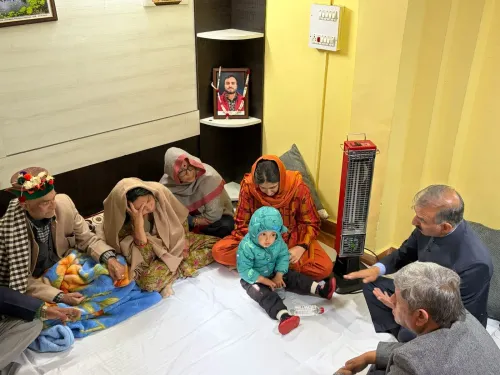
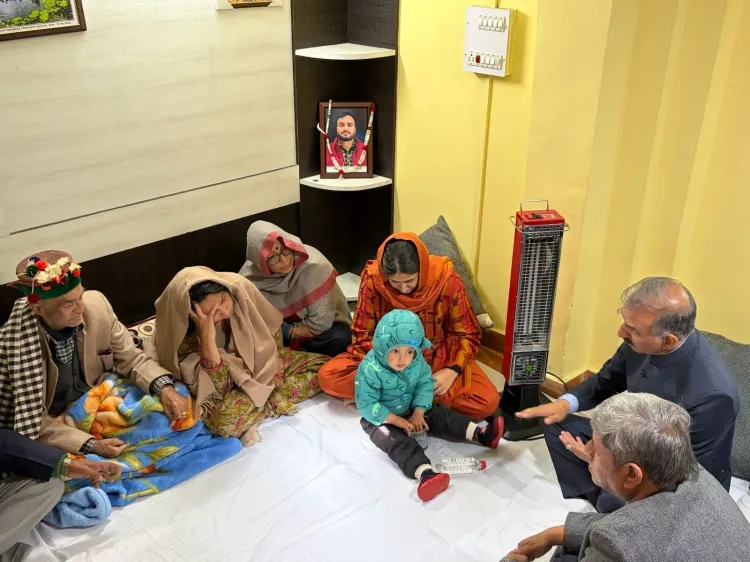
The Chief Minister's Office of Himachal Pradesh visited the family of Chandramani Kulethi, Youth Congress provincial vice-president from Holi in Chamba district, expressing deep condolences and solidarity with his wife and parents on 5 November 2026.
Key Takeaways
The Chief Minister's Office of Himachal Pradesh paid a condolence visit to the family of Chandramani Kulethi on 5 November 2026 .
Kulethi was the provincial vice-president of Youth Congress in Himachal Pradesh.
He was a resident of Holi village, Chamba district — one of the state's remote high-altitude constituencies.
His wife and parents were met during the visit; the CMO described the family's grief as deeply moving.
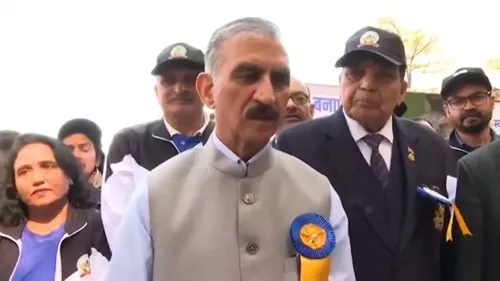
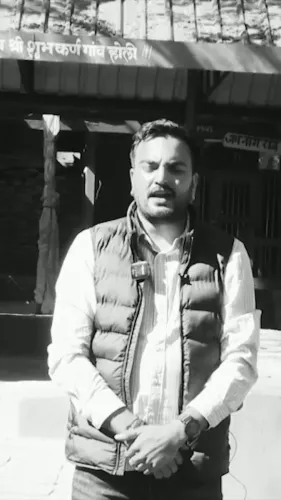
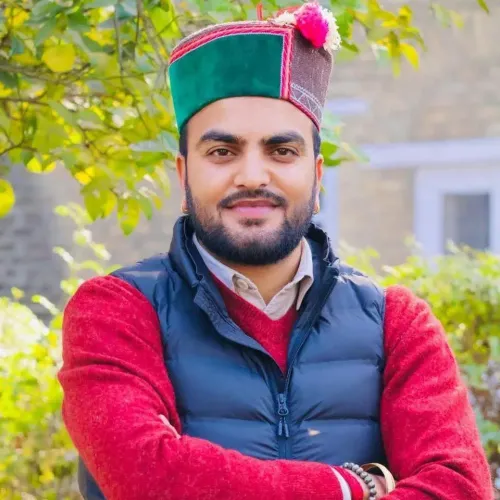
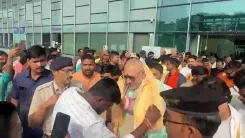
The visit was accompanied by three photographs shared on the official CMO account on X.
No specific follow-up announcements or government assistance measures were indicated in the post.
Grief visited a home in Holi village, Chamba district — and the Chief Minister's Office of Himachal Pradesh made sure the state's highest office stood with the family. On Thursday, 5 November 2026, the CMO shared that a condolence visit was paid to the bereaved family of Chandramani Kulethi, Youth Congress provincial vice-president, whose loss has left party ranks and his community in mourning.
The post, shared in Hindi, conveyed the depth of the moment in plain words: 'मन बेहद भावुक है' — 'the heart is deeply moved.' After meeting Kulethi's wife and parents, the message acknowledged that grief had rendered words inadequate: 'seeing the pain of his wife and parents, I was left with no words.' The family was offered solace and the condolences of the government.
Who Was Chandramani Kulethi
Chandramani Kulethi served as the provincial vice-president of Youth Congress in Himachal Pradesh, rooted in Holi village in the mountainous Chamba district — one of the state's more remote, high-altitude constituencies. Youth Congress, the youth wing of the Indian National Congress, relies heavily on district-level functionaries like Kulethi to maintain grassroots organisational strength. His role made him a bridge between the party's state leadership and voters in a district that demands consistent ground-level presence.
A Visit That Speaks Louder Than a Statement
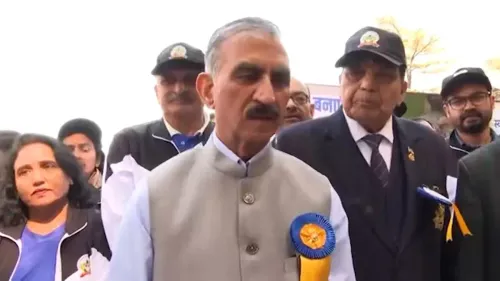
In Indian political culture, a visit to a bereaved household — especially one in a distant district — carries a weight that no press release can replicate. Chief ministers and senior officials across party lines make such journeys as a marker of internal solidarity, signalling to party workers that their families will not be left alone in grief. The CMO's post, accompanied by three photographs, made the visit public — extending the condolence beyond the household and into the wider Congress community in Himachal Pradesh.
Chamba remains one of Himachal Pradesh's most geographically challenging districts, and party workers who build networks there do so at considerable personal effort. The loss of a young organisational leader at that level is felt acutely — not just by the family, but by colleagues who relied on him in the field.
For a family navigating an irreplaceable absence, the state's acknowledgement — however brief — is the only comfort the moment allows.
Point of View
Far-flung constituencies like Chamba. Such gestures are part of a well-established political grammar: they remind grassroots workers that their contributions are noticed and their families will not be forgotten. For the Congress party in Himachal Pradesh, which governs the state, maintaining that chain of emotional accountability is both a moral obligation and a political calculation. The public framing of the visit, with photographs and a personal, unscripted expression of grief, amplifies the message well beyond the village.
NationPress
5 Nov 2026
Frequently Asked Questions
Who was Chandramani Kulethi?
Chandramani Kulethi was the provincial vice-president of Youth Congress in Himachal Pradesh, hailing from Holi village in Chamba district.
Why did the HP CMO visit Chandramani Kulethi's family?
The Chief Minister's Office of Himachal Pradesh visited the family on 5 November 2026 to offer condolences following Kulethi's death and to provide solace to his wife and parents.
Where is Holi village located?
Holi village is located in Chamba district, a mountainous and remote constituency in the northern part of Himachal Pradesh.
What is the Youth Congress role in Himachal Pradesh?
Youth Congress is the youth wing of the Indian National Congress and plays a key organisational role at the district and grassroots level in Himachal Pradesh.
What did the Himachal Pradesh CMO say about Chandramani Kulethi's death?
The CMO's post said the visit left them deeply moved, and that seeing the grief of Kulethi's wife and parents left them without words, after which they offered condolences and comfort to the family.