HP CM Office inspects Chamba Medical College facilities
Synopsis
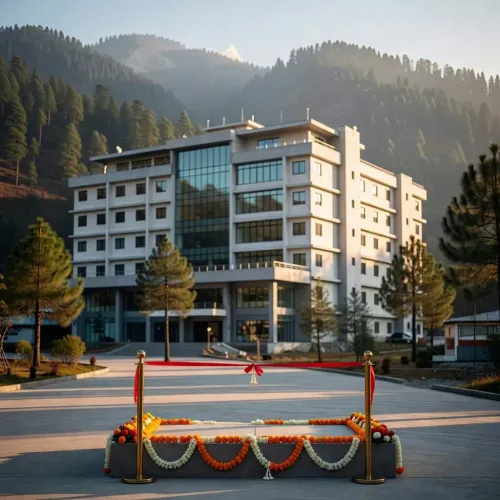
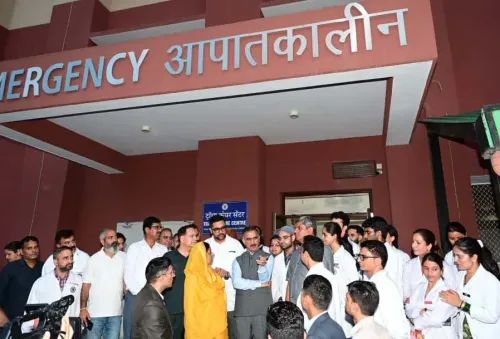
The Chief Minister's Office of Himachal Pradesh inspected Chamba Medical College on 1 August 2026, calling it the fulfilment of long-held regional aspirations and promising that residents will no longer need to travel far for quality medical care.
Key Takeaways
The Chief Minister's Office of Himachal Pradesh conducted a detailed inspection of Chamba Medical College on 1 August 2026 .
The inspection covered arrangements, facilities, and operational preparations at the college.
Chamba district is Himachal Pradesh's northernmost district, historically underserved in specialist healthcare due to difficult terrain.
The CMO described the college as the realisation of 'years of aspirations and dreams' of the people of the Chamba region.
Residents of Chamba and surrounding areas are expected to require significantly less long-distance travel for medical treatment once the college is operational.
Key milestones to watch include commencement of MBBS admissions and faculty recruitment status.
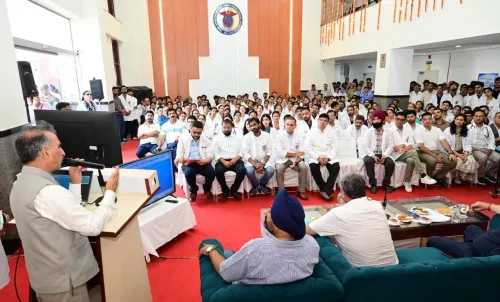
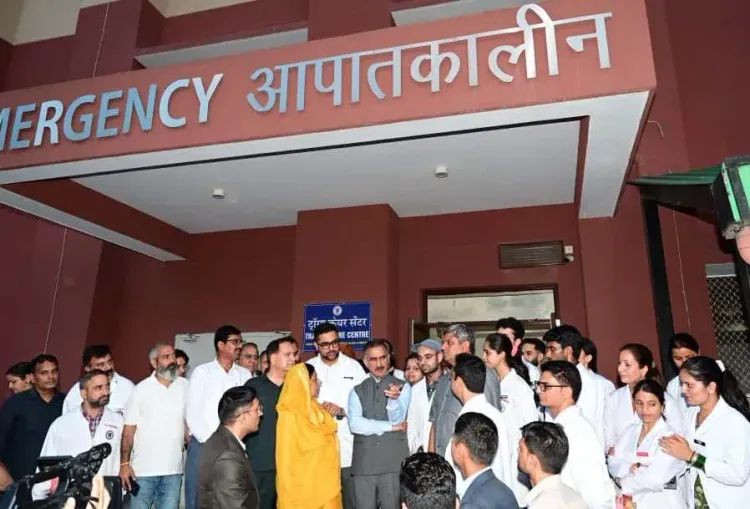
For years, a medical emergency in Chamba district meant a gruelling journey — down winding mountain roads, past hairpin bends, toward hospitals in distant cities. On Saturday, 1 August 2026, the Chief Minister's Office of Himachal Pradesh signalled that equation is changing, announcing a detailed inspection of Chamba Medical College to review its arrangements, facilities, and operational readiness.
The post, shared from the official CMO account, described the visit in terms that went beyond routine administration. 'यह मेडिकल कॉलेज वर्षों की आकांक्षाओं और क्षेत्रवासियों के सपनों का साकार रूप है' — 'This medical college is the realisation of years of aspirations and the dreams of the people of this region' — it read, adding that residents of Chamba and surrounding areas would now need to travel far less for quality treatment.
What Chamba's geography made so difficult
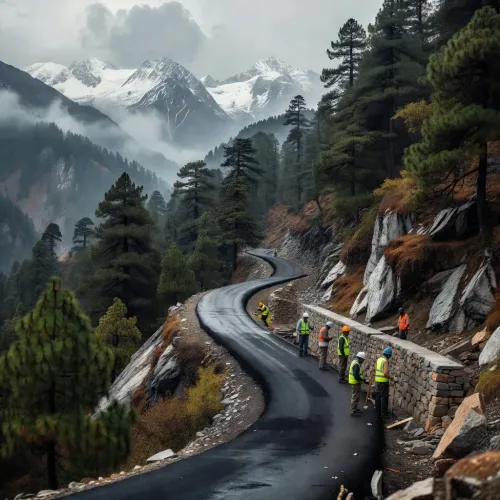
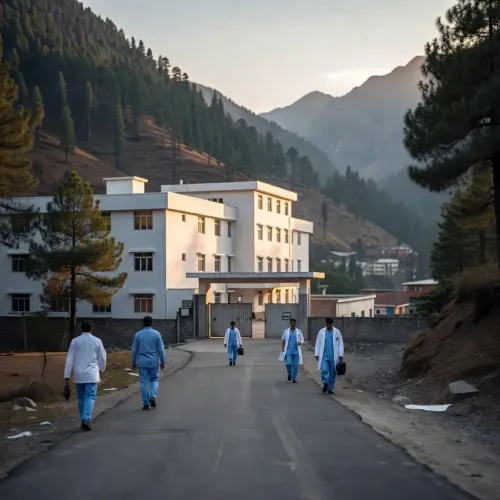
Chamba is Himachal Pradesh's northernmost district — remote, mountainous, and historically underserved in specialist healthcare. Patients requiring anything beyond primary care routinely faced multi-hour journeys to Shimla or other urban centres, a burden that fell hardest on the elderly, the critically ill, and the economically vulnerable.
That structural gap — terrain as a barrier to medicine — is precisely what district-level medical colleges are designed to close. Across India's hilly and interior states, the model has gained traction: bring the institution to the population, not the other way around. Chamba Medical College sits squarely in that policy logic.
The inspection and what it signals
The CMO's visit covered a 'detailed review of arrangements, facilities, and preparations' — language that suggests the college is in an advanced stage of readiness rather than early construction. The emphasis on inspection at this level of government points to imminent operationalisation, though the exact timeline for MBBS admissions and full clinical services has not been officially announced.
Beyond patient care, a functional medical college in Chamba would anchor a local ecosystem: resident doctors, nursing staff, paramedics, and eventually postgraduate training — all of which tend to stay closer to where they train. That retention effect is one of the less-discussed dividends of decentralised medical education.
The residents of Chamba have waited a long time for this. The mountain roads haven't changed — but soon, the reason to travel them in a medical crisis might.
Point of View
Inaugurating or advancing a district medical college in a remote constituency carries both policy and political weight: it is a tangible, visible delivery on a long-promised public good. The emphasis on 'aspirations and dreams' in the CMO's language signals that this is being positioned as a landmark moment, not routine administration. Whether the college transitions smoothly from inspection to full operationalisation — with adequate faculty, equipment, and regulatory clearances — will determine whether the promise translates into lasting impact.
NationPress
16 Sept 2026
Frequently Asked Questions
Where is Chamba Medical College located?
Chamba Medical College is located in Chamba district , the northernmost district of Himachal Pradesh , a remote and hilly region that has historically had limited access to advanced healthcare.
Why is Chamba Medical College significant for the region?
Residents of Chamba and surrounding areas have long had to travel to distant cities like Shimla for specialist medical care due to the district's difficult terrain. The medical college is designed to bring quality healthcare and medical education directly to the region.
What did the HP Chief Minister's Office inspect at Chamba Medical College?
The Chief Minister's Office of Himachal Pradesh conducted a detailed review of the college's arrangements, facilities, and operational preparations during the inspection on 1 August 2026 .
When will Chamba Medical College start MBBS admissions?
The exact date for MBBS admissions at Chamba Medical College has not been officially announced. The government's inspection suggests the college is in an advanced stage of readiness, but the formal commencement timeline is yet to be confirmed.
How does Chamba Medical College fit into India's healthcare policy?
India has increasingly promoted district-level medical colleges in remote and hilly regions to decentralise healthcare delivery, reduce pressure on state-capital hospitals, and improve specialist access for interior populations — a model Chamba Medical College directly embodies.