HP CMO Hails Saranahuli Mela as Symbol of Faith and Culture
Synopsis
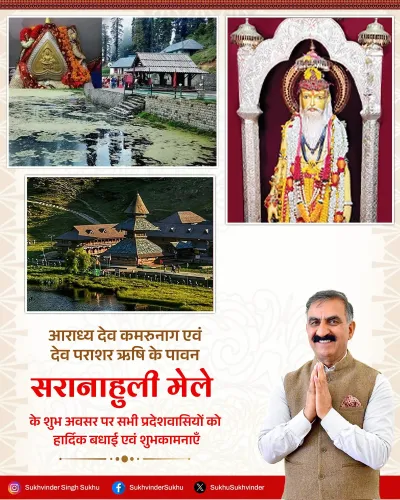
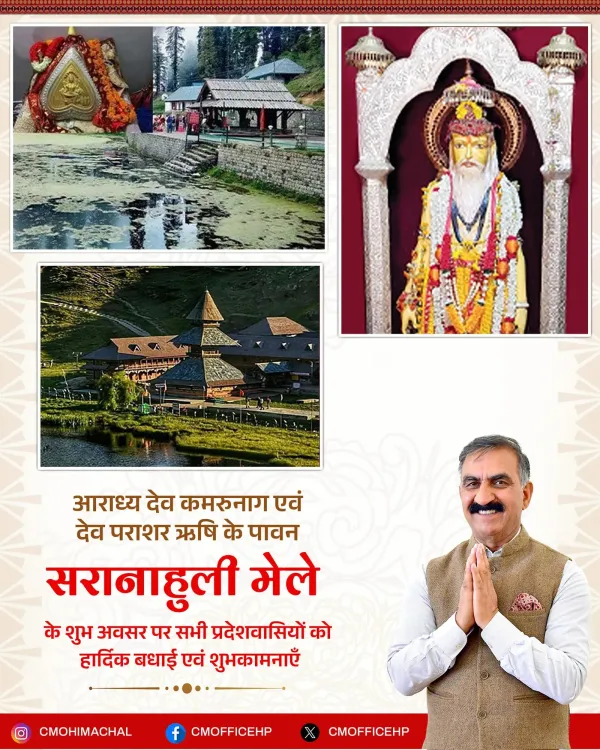
The Chief Minister's Office of Himachal Pradesh on June 15, 2026, honoured the Saranahuli Mela as a deep-rooted symbol of folk culture, devotion to Bhagwan Kamrunag and Parashar Rishi, and a pillar of social unity and cultural continuity in the state.
Key Takeaways
The Chief Minister's Office of Himachal Pradesh officially acknowledged the Saranahuli Mela on June 15, 2026 .
The mela is described as deeply embedded in Himachal Pradesh's folk culture for generations.
It is dedicated to Bhagwan Kamrunag and Parashar Rishi , two revered figures in the state's spiritual tradition.
The CMO stated the fair strengthens collective consciousness, social unity, and cultural continuity .
The acknowledgement aligns with the state's broader effort to document and sustain intangible heritage practices .
Local devotees and rural communities are the primary participants and beneficiaries of the annual fair.
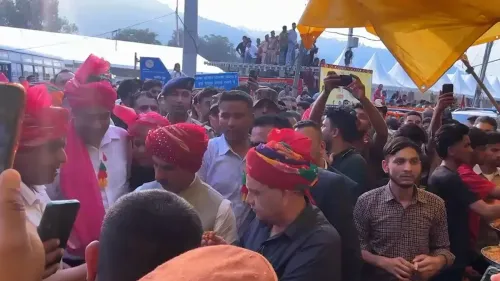
The Chief Minister's Office of Himachal Pradesh on Monday, June 15, 2026, paid tribute to the Saranahuli Mela, describing it as a living symbol of the state's folk traditions and its people's unwavering devotion to Bhagwan Kamrunag and Parashar Rishi.
Context
The official post, shared in Hindi, stated that the Saranahuli Mela is 'वर्षों से लोक-संस्कृति में गहराई से रचा-बसा' ('deeply woven into folk culture for years') and stands as a testament to the community's unbroken faith and rich traditions. The message further noted that the fair 'हमारी सामूहिक चेतना, सामाजिक एकता और सांस्कृतिक निरंतरता को और अधिक सुदृढ़ करता है' — that is, it strengthens collective consciousness, social unity, and cultural continuity.
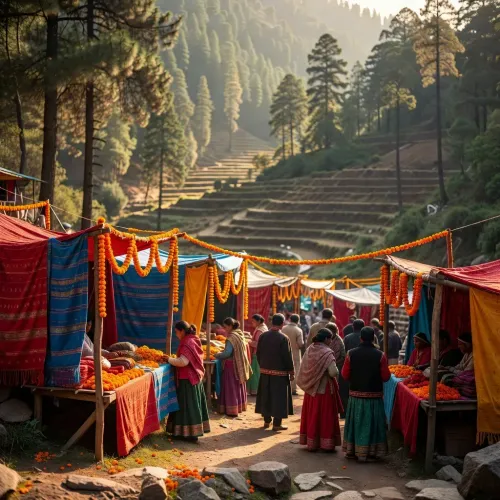
The Saranahuli Mela is a traditional annual fair rooted in the folk practices and local devotion of Himachal Pradesh. Such melas serve as gathering points for rural communities, blending ritual observance with social interaction across generations.
Policy Backdrop
Bhagwan Kamrunag is a revered local deity in Himachal Pradesh, central to community rituals and fairs in the region. Parashar Rishi, an ancient sage, is closely associated with sacred sites in the state, most notably Parashar Lake in Mandi district, which draws pilgrims and tourists alike.
State governments across the Himalayan region have increasingly used official channels to spotlight traditional melas, affirming cultural identity and reinforcing village-level social bonds. Himachal Pradesh maintains a structured calendar of deity-centric events, and such official acknowledgements form part of broader state efforts to document and sustain intangible heritage practices.
Stakeholders and Impact
The primary stakeholders of the Saranahuli Mela are local devotees and rural communities in Himachal Pradesh who participate in its rituals and festivities year after year. For these communities, the mela is not merely a religious event but a social institution that reinforces shared identity and inter-village ties.
Official recognition from the Chief Minister's Office lends visibility to such grassroots cultural events, potentially encouraging greater participation, heritage documentation, and interest from the state's growing cultural tourism sector.
What's Next
Observers will watch for any follow-up announcements from the Himachal Pradesh government regarding the scheduling, infrastructure support, or tourism promotion linked to the Saranahuli Mela. The state's pattern of officially highlighting such events suggests continued institutional support for preserving intangible heritage across its districts.
As Himachal Pradesh positions itself as a destination for cultural and spiritual tourism, fairs like Saranahuli — rooted in centuries-old devotion to deities like Kamrunag — are likely to receive greater policy attention in the seasons ahead.
Point of View
The communication ties the state's identity to specific local deities — a deliberate framing that resonates with rural voter bases and cultural nationalist sentiment simultaneously. Such posts also serve a soft-power function, positioning Himachal Pradesh as a custodian of living intangible heritage at a time when cultural tourism is a growing revenue consideration. The move signals that heritage communication is now a routine instrument of governance visibility, not merely a ceremonial gesture.
NationPress
14 Sept 2026
Frequently Asked Questions
What is the Saranahuli Mela in Himachal Pradesh?
The Saranahuli Mela is a traditional annual fair in Himachal Pradesh deeply rooted in folk culture and local devotion, particularly to Bhagwan Kamrunag and Parashar Rishi. It serves as a social and religious gathering that reinforces community bonds.
Who is Bhagwan Kamrunag?
Bhagwan Kamrunag is a revered local deity in Himachal Pradesh, central to community rituals and fairs in the region. Devotion to Kamrunag forms a core part of the cultural identity of several communities in the state.
What is the significance of Parashar Rishi in Himachal Pradesh?
Parashar Rishi is an ancient sage associated with sacred sites in Himachal Pradesh, most notably Parashar Lake in Mandi district. The sage is venerated in local tradition and linked to the spiritual heritage celebrated at fairs like the Saranahuli Mela.
Why did the Himachal Pradesh CMO post about the Saranahuli Mela?
The Chief Minister's Office of Himachal Pradesh shared the post on June 15, 2026, to officially recognise and celebrate the Saranahuli Mela as a symbol of the state's folk culture, faith, and social unity. Such acknowledgements are part of the state's broader effort to sustain and document intangible heritage.
How does the Saranahuli Mela strengthen social unity?
According to the Chief Minister's Office, the Saranahuli Mela strengthens collective consciousness, social unity, and cultural continuity by bringing rural communities together in shared ritual and celebration rooted in generations of folk tradition.