HP CM Office directs BOCW Board to explore foreign-language courses
Synopsis
The Himachal Pradesh CM's Office chaired a high-level Secretariat meeting and directed the BOCW Welfare Board to explore launching foreign-language courses for construction workers, with HPSEDC as a potential delivery partner.
Key Takeaways
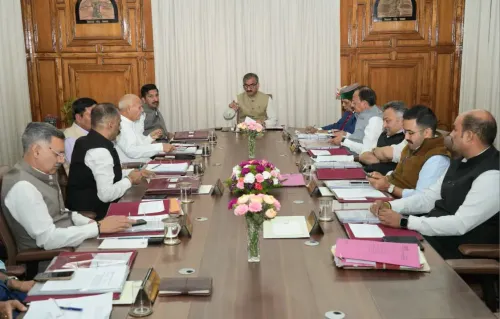
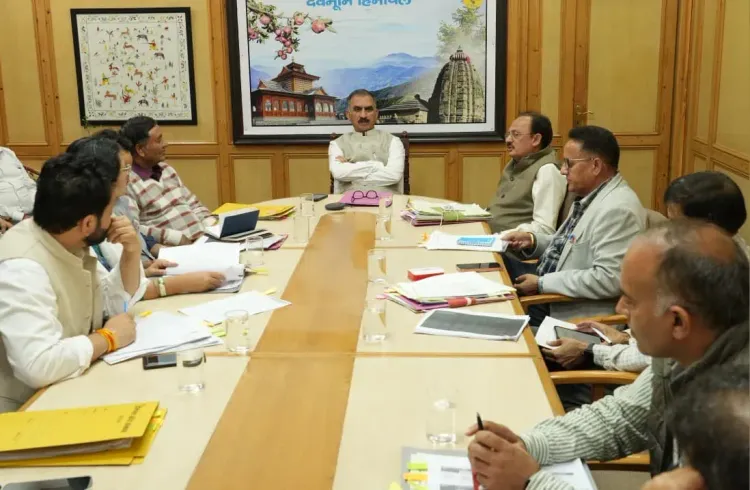
A high-level meeting was chaired at the Himachal Pradesh Secretariat on 25 July 2026 .
Directions were issued to explore foreign-language courses for construction workers through the HP BOCW Welfare Board .
The HP State Electronics Development Corporation (HPSEDC) was identified as a potential implementation partner.
The BOCW Welfare Board is funded by a 1–2% cess on construction projects under the central Act of 1996 .
The initiative is at the feasibility exploration stage; no rollout timeline has been announced.
The move aligns with the national Skill India push to diversify construction workers' skills beyond manual trades.
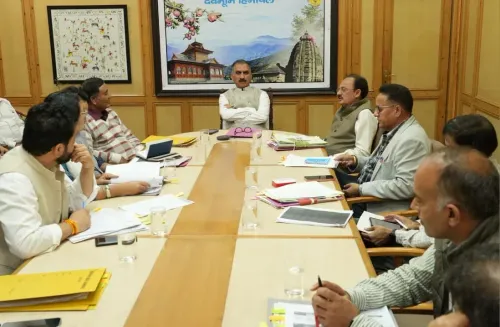
The Chief Minister's Office of Himachal Pradesh announced on Friday, 25 July 2026 that a high-level meeting was chaired at the Secretariat, during which directions were issued to explore the possibility of launching foreign-language courses through the Himachal Pradesh Building and Other Construction Workers Welfare Board. The meeting also took up the role of the Himachal Pradesh State Electronics Development Corporation (HPSEDC) in supporting this initiative.
Context
The CMO's post, shared in Hindi, states: 'सचिवालय में एक उच्च स्तरीय बैठक की अध्यक्षता की' ('A high-level meeting was chaired at the Secretariat'). The directions focused on exploring feasibility of foreign-language training modules for construction workers, to be delivered through the welfare board. The HPSEDC was identified as a potential implementation partner in the exercise.
Policy Backdrop
The HP Building and Other Construction Workers Welfare Board is a statutory body constituted under the central Building and Other Construction Workers (Regulation of Employment and Conditions of Service) Act, 1996. Every state is mandated under this law to establish such a board, funded by a 1–2 per cent cess levied on construction projects, and to channel the proceeds into welfare benefits including education, health, and skill support for registered workers.
The HPSEDC is a state public-sector undertaking tasked with promoting IT, electronics manufacturing, and skill-development programmes across Himachal Pradesh. Several Indian states have begun routing vocational and language training through BOCW boards to raise the employability of construction workers, often linking these programmes with state IT corporations for delivery — a trend aligned with the national Skill India mission.
Stakeholders and Impact
The primary beneficiaries of the proposed initiative would be registered construction workers in Himachal Pradesh. If implemented, foreign-language training could open pathways to overseas employment or opportunities in the BPO and services sectors, diversifying worker incomes beyond manual trades. The involvement of HPSEDC signals an intent to use existing digital and institutional infrastructure for course delivery, potentially reducing rollout costs.
Construction workers are among the most economically vulnerable segments of the labour force. Access to foreign-language skills — particularly in languages relevant to Gulf employment markets or global BPO clients — could meaningfully expand their livelihood options, provided the courses are made accessible in rural and semi-urban areas where most such workers reside.
What's Next
The meeting's directive is exploratory at this stage: officials have been asked to examine feasibility, not to launch courses immediately. The next milestone to watch is the release of a feasibility report and any announcement of a pilot rollout by the welfare board in coordination with HPSEDC. Whether the initiative translates into a funded, time-bound programme will depend on the board's cess corpus and HPSEDC's capacity to design and deliver curriculum at scale.
Point of View
Legally mandated fund without requiring fresh budgetary allocation, while signalling welfare ambition to a large and historically underserved voter constituency. Linking the exercise to HPSEDC adds institutional credibility and aligns the state with the Centre's Skill India narrative. However, the directive's exploratory framing — 'examine feasibility' rather than 'launch' — suggests the government is managing expectations carefully, aware that cess corpus size and last-mile delivery in a hilly state are real constraints. The success of this initiative will ultimately hinge on whether the feasibility report leads to a funded, time-bound pilot or quietly recedes into bureaucratic process.
NationPress
23 Oct 2026
Frequently Asked Questions
What did the Himachal Pradesh CM Office announce about construction workers?
The HP CM Office directed the BOCW Welfare Board to explore launching foreign-language training courses for registered construction workers, with HPSEDC as a potential delivery partner.
What is the HP BOCW Welfare Board?
The Himachal Pradesh Building and Other Construction Workers Welfare Board is a statutory body set up under the central BOCW Act of 1996, funded by a 1–2% cess on construction projects, to provide welfare benefits including skill training to registered construction workers.
What is HPSEDC and what role will it play?
HPSEDC, the Himachal Pradesh State Electronics Development Corporation, is a state PSU focused on IT and skill development. It has been identified as a possible partner for designing and delivering the proposed foreign-language courses.
Have the foreign-language courses been launched yet?
No. As of the 25 July 2026 announcement, officials have only been directed to explore feasibility. No launch date or pilot timeline has been announced.
Why would construction workers need foreign-language training?
Foreign-language skills can open opportunities in overseas employment markets, particularly in Gulf countries, or in BPO and services sectors, helping construction workers diversify their income beyond manual labour.