HP CM Office Welcomes New SDMA Vice-Chairman Deepak Rathour
Synopsis
The Chief Minister's Office of Himachal Pradesh announced on 1 July 2026 that Deepak Rathour, newly appointed Vice-Chairman of the state's apex disaster management body, paid a courtesy call and thanked the government for his appointment, ahead of the peak monsoon season.
Key Takeaways
Deepak Rathour has been appointed Vice-Chairman of the Himachal Pradesh State Disaster Management Authority (HPSDMA) .
Rathour paid a courtesy call on the state government and expressed gratitude for his appointment on 1 July 2026 .
The HPSDMA is constituted under the Disaster Management Act, 2005 and is chaired by the Chief Minister of Himachal Pradesh.
Himachal Pradesh faces recurring threats from landslides, flash floods, and earthquakes, making HPSDMA leadership particularly important.
The appointment comes at the onset of the monsoon season , a period of heightened disaster risk in the state.
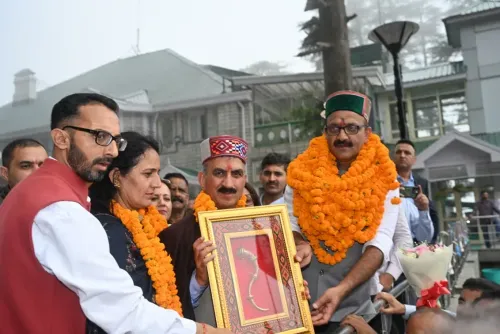
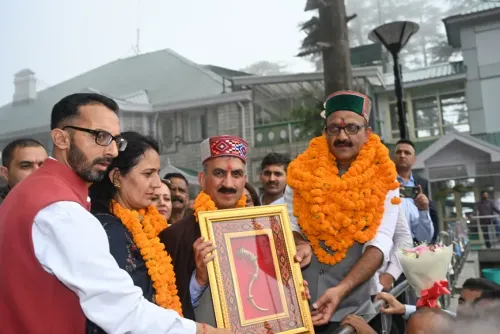
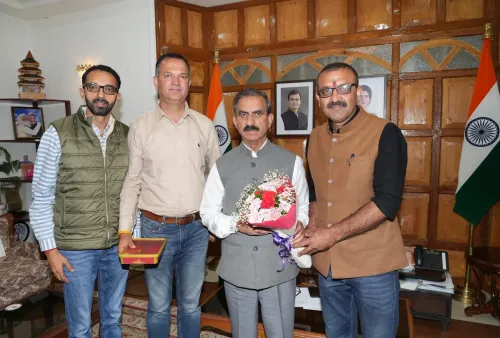
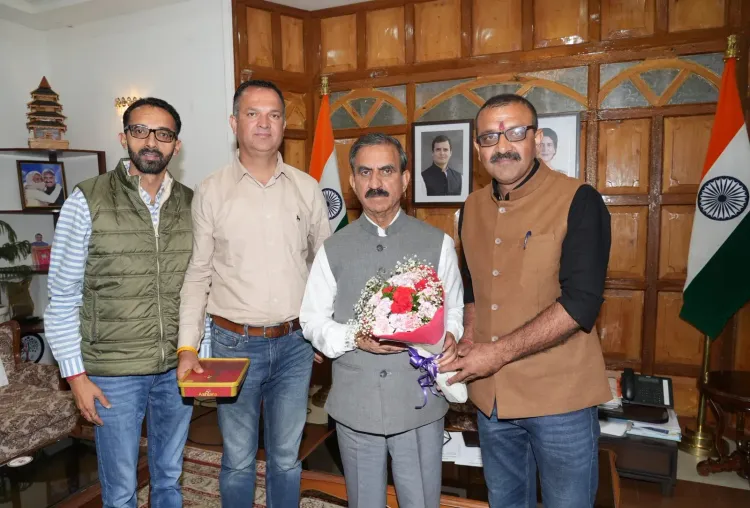
The Chief Minister's Office of Himachal Pradesh on Wednesday, 1 July 2026 announced that Deepak Rathour, the newly appointed Vice-Chairman of the Himachal Pradesh State Disaster Management Authority (HPSDMA), paid a courtesy call and expressed gratitude to the state government for his appointment.
The post, shared from the official CMO account, stated in Hindi: 'नवीन दायित्व के लिए दीपक को हार्दिक बधाई एवं शुभेच्छाएँ' — 'Heartfelt congratulations and best wishes to Deepak for his new responsibility.' Rathour called on senior officials to convey his thanks for being entrusted with the role.
Context
The Himachal Pradesh State Disaster Management Authority is the apex state body constituted under the Disaster Management Act, 2005. By law, the Authority is chaired by the Chief Minister and is responsible for policy formulation, planning, and coordination of disaster preparedness and response across the state. The Vice-Chairman's position plays a central operational role in steering the body's day-to-day functioning. Appointments to leadership positions in State Disaster Management Authorities are a standard feature of administrative governance across Indian states. They reflect the periodic renewal of institutional leadership envisaged under the national disaster management framework.Policy Backdrop
The Disaster Management Act, 2005 mandated every Indian state to establish a State Disaster Management Authority, embedding disaster risk reduction into formal governance structures for the first time at the state level. Himachal Pradesh, situated in the seismically active western Himalayas, faces recurring threats from landslides, flash floods, cloudbursts, and earthquakes — making robust institutional leadership at the HPSDMA particularly consequential. The state has historically prioritised strengthening its disaster management institutions given the frequency and severity of natural hazard events, especially during the monsoon season. Leadership continuity and timely appointments at the Authority are therefore watched closely by administrators and communities alike.Stakeholders and Impact
The most directly affected stakeholders are the disaster-prone communities spread across Himachal Pradesh's mountainous terrain — including residents of landslide-vulnerable valleys, river-bank settlements susceptible to flash floods, and high-altitude villages exposed to seismic risk. The HPSDMA's effectiveness in coordinating early warning systems, rescue operations, and relief distribution has a direct bearing on lives and livelihoods in these regions. District administrations, the National Disaster Response Force (NDRF), and state line departments also work in close coordination with the Authority, making the appointment of an active Vice-Chairman operationally significant, particularly as monsoon 2026 progresses.What's Next
With Deepak Rathour now formally in position, attention will turn to whether the HPSDMA convenes early authority meetings, issues updated state disaster management plans, or announces resource allocations ahead of peak monsoon activity. The coming weeks are typically the most demanding period for disaster response agencies in Himachal Pradesh, and Rathour's early actions in the role will set the tone for the authority's preparedness posture this season.Point of View
Announced by the Chief Minister's Office at the start of July, carries timing significance: it coincides with the onset of monsoon, historically the most disaster-intensive period for Himachal Pradesh. State governments have increasingly used social media to publicly validate such appointments, signalling institutional continuity to both administrators and affected communities. The move fits a broader pattern of the Sukhvinder Singh Sukhu-led government projecting active governance of mountain-specific risks. Whether the new leadership translates into measurable improvements in early warning or relief coordination will be the real test in the weeks ahead.
NationPress
30 Sept 2026
Frequently Asked Questions
Who is Deepak Rathour in Himachal Pradesh?
Deepak Rathour is the newly appointed Vice-Chairman of the Himachal Pradesh State Disaster Management Authority (HPSDMA), as announced by the Chief Minister's Office on 1 July 2026.
What is the Himachal Pradesh State Disaster Management Authority?
The HPSDMA is the apex state body set up under the Disaster Management Act, 2005, responsible for disaster preparedness, policy planning, and response coordination in Himachal Pradesh. It is chaired by the Chief Minister.
What does the Vice-Chairman of HPSDMA do?
The Vice-Chairman assists in overseeing the day-to-day operations of the State Disaster Management Authority, including coordination of disaster preparedness plans, response activities, and liaison with central and district agencies.
Why is disaster management important for Himachal Pradesh?
Himachal Pradesh is located in the seismically active Himalayas and faces recurring hazards including landslides, flash floods, cloudbursts, and earthquakes, making robust disaster management institutions critical for public safety.
What happens after a new HPSDMA Vice-Chairman is appointed?
Typically, the new leadership is expected to convene authority meetings, review state disaster management plans, and coordinate resource allocations — activities that become especially urgent during the monsoon season.