HP CM Office Flags IMD Heavy Rain Alert, Monitors Situation

Synopsis
The Chief Minister's Office of Himachal Pradesh on 10 July 2026 said IMD has forecast heavy rain again, with the state government, district administrations, and rescue teams on full alert. The Chief Minister is personally monitoring the situation with officials.
Key Takeaways
The India Meteorological Department has forecast heavy rainfall in Himachal Pradesh on 10 July 2026 .
The Chief Minister's Office confirmed the state government and district administrations are monitoring the situation with full vigilance.
Relief and rescue teams are on complete alert across the state.
The Chief Minister is personally in contact with officials to track the evolving situation.
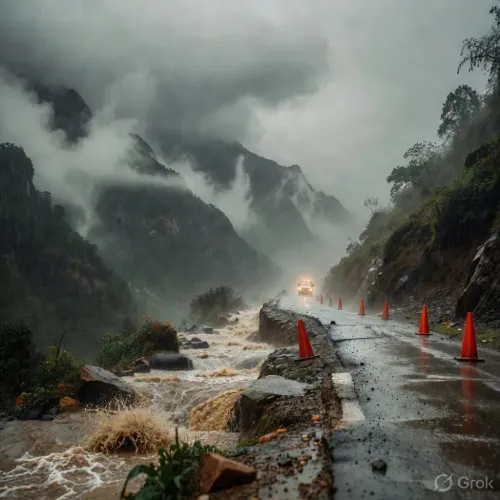
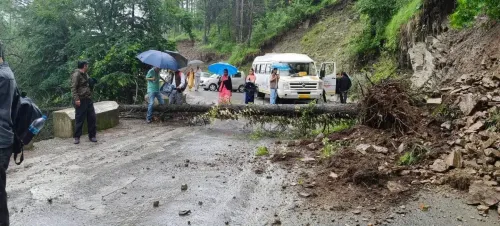
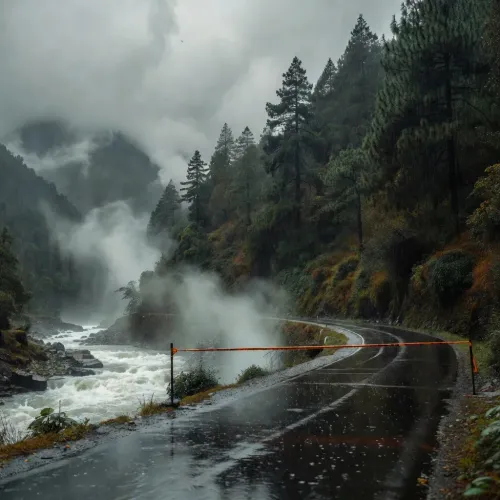
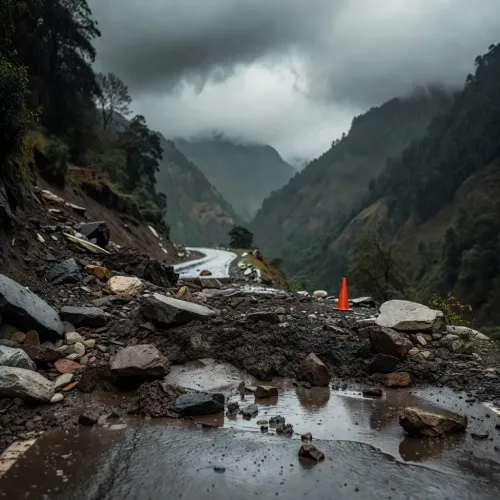
Himachal Pradesh is highly vulnerable to monsoon hazards including flash floods, landslides, and cloudbursts due to its Himalayan terrain.
The response follows established protocols under the Disaster Management Act, 2005 and the state's monsoon preparedness framework.
The Chief Minister's Office of Himachal Pradesh on Friday, 10 July 2026, confirmed that the India Meteorological Department (IMD) has forecast heavy rainfall in the state, adding that the state government, district administrations, and relief and rescue teams are on full alert.
Context
Posting on X, the Chief Minister's Office stated: 'Mausam vibhag ne aaj bhi bhari baarish ki sambhavna jatai hai' ('The meteorological department has again forecast the possibility of heavy rainfall today'). The office further noted that the state government and district administrations are monitoring the situation with full vigilance, rescue and relief teams are completely on alert, and the Chief Minister is personally in contact with officials.
The post is a direct public communication from the government signalling active situational awareness during what is a particularly sensitive period of the June–September monsoon season.
Policy Backdrop
Himachal Pradesh, a northern Himalayan state with steep terrain, is among India's most vulnerable regions for monsoon-induced hazards including flash floods, landslides, and cloudbursts. The Disaster Management Act, 2005 mandates state governments to maintain updated State Disaster Management Plans and coordinate with IMD warnings during the monsoon.
When IMD issues a heavy-rainfall forecast, states are expected to activate Standard Operating Procedures, mobilise the State Disaster Response Force (SDRF), and ensure district administrations are in a heightened state of readiness. The Chief Minister's Office communication reflects this established protocol.
Stakeholders and Impact
Residents of hill districts — particularly those in river valleys and areas historically prone to landslides — are the most directly affected stakeholders. District administrations have been placed on alert and are coordinating with rescue teams on the ground.
The IMD, operating under the Ministry of Earth Sciences, serves as the primary early-warning authority. Its forecasts trigger a chain of administrative responses across vulnerable districts, ensuring that relief infrastructure is pre-positioned before any weather event escalates.
What's Next
Authorities and residents should watch for district-wise rainfall updates from IMD and any formal activation of SDRF teams in high-risk valleys. The Chief Minister's direct engagement with officials suggests the government is treating the forecast as a credible risk requiring sustained monitoring.
If rainfall intensity matches or exceeds the forecast, district administrations may issue localised advisories, restrict movement on vulnerable roads, and open relief camps in affected areas — standard steps under Himachal Pradesh's monsoon preparedness framework.
Point of View
A period when public anxiety around disasters in Himachal Pradesh runs high. This kind of visible top-level engagement is increasingly a feature of Indian state governance, where social media serves as a real-time reassurance channel during weather emergencies. The message also subtly underscores the Chief Minister's personal involvement, reinforcing political accountability during a potentially high-risk weather window. Whether the on-ground response matches the stated preparedness will become clearer as the monsoon season progresses.
NationPress
10 Oct 2026
Frequently Asked Questions
Why has the Himachal Pradesh government issued a heavy rain alert?
The India Meteorological Department forecast heavy rainfall in Himachal Pradesh on 10 July 2026, prompting the state government and district administrations to activate monsoon preparedness protocols and place rescue teams on full alert.
What is the role of IMD in Himachal Pradesh flood warnings?
The India Meteorological Department, under the Ministry of Earth Sciences, is the national weather-forecasting authority. Its heavy-rainfall forecasts trigger Standard Operating Procedures in vulnerable states like Himachal Pradesh, prompting mobilisation of rescue teams and district-level monitoring.
Is the Chief Minister of Himachal Pradesh personally monitoring the rain situation?
Yes, according to the official Chief Minister's Office post on X dated 10 July 2026, the Chief Minister is personally in contact with officials to monitor the situation.
Which areas of Himachal Pradesh are most at risk during heavy monsoon rain?
River valleys and districts with steep terrain are historically most vulnerable to flash floods, landslides, and cloudbursts in Himachal Pradesh during the June–September monsoon season.
What is the State Disaster Response Force (SDRF) and what is its role here?
The SDRF is a state-level rapid-response unit activated during natural disasters. In line with the Disaster Management Act 2005, it is placed on alert when IMD issues heavy-rainfall forecasts, ready to conduct rescue and relief operations across affected districts.