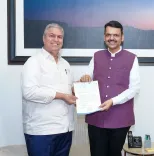
HP Govt Claims Historic Win in 15-Year BBMB Dispute
Synopsis
The Chief Minister's Office of Himachal Pradesh declared a historic breakthrough in a 15-year BBMB dispute on 9 November 2026, claiming an electricity allocation of 12,000 MU worth Rs 500 crore annually and an estimated Rs 20,000 crore over the next two decades.
Key Takeaways
15-year dispute resolved: Himachal Pradesh claims a landmark settlement with the Bhakra Beas Management Board after one and a half decades of pending negotiations.
12,000 MU allocation: The state stands to receive 12,000 Million Units of electricity under the resolution.
Rs 500 crore annually: At current tariff rates, the allocation is projected to generate Rs 500 crore in annual revenue for the state.
Rs 20,000 crore over 20 years: Cumulative benefits over the next two decades are estimated at Rs 20,000 crore.
Rooted in 1966 reorganisation: The dispute stems from unresolved power-sharing provisions under the Punjab Reorganisation Act of 1966.
Grid integration pending: Formal administrative orders and actual integration of the allocated power into HP's grid remain the next critical steps.
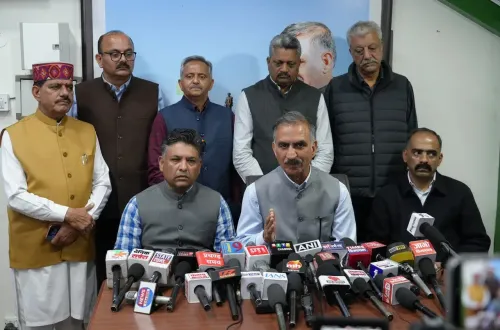
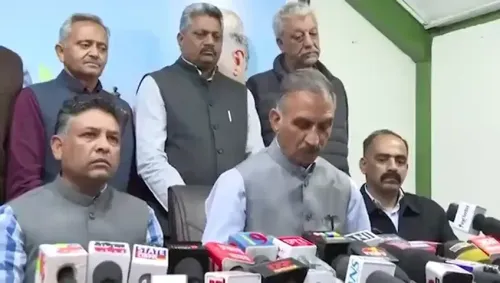
After fifteen years of contested negotiations, Himachal Pradesh has secured what its government is calling a landmark resolution in a long-running dispute with the Bhakra Beas Management Board (BBMB) — a breakthrough the Chief Minister's Office of Himachal Pradesh announced on Monday, 9 November 2026, with fiscal projections that run well into the mid-century.
The CMO's post, written in Hindi, declared: '15 वर्षों से लंबित BBMB मामले में मिली ऐतिहासिक सफलता' — 'historic success in the BBMB matter pending for 15 years' — framing the resolution as the state finally asserting its rightful claim over resources originating within its own borders.
What Himachal Pradesh stands to gain from BBMB
At the heart of the settlement is an electricity allocation of 12,000 Million Units (MU). Valued at current tariff rates, the state government projects this will translate into annual revenue of Rs 500 crore. Over the next two decades, cumulative gains are estimated to reach Rs 20,000 crore — a figure that would represent a transformative injection into one of India's smaller state economies.
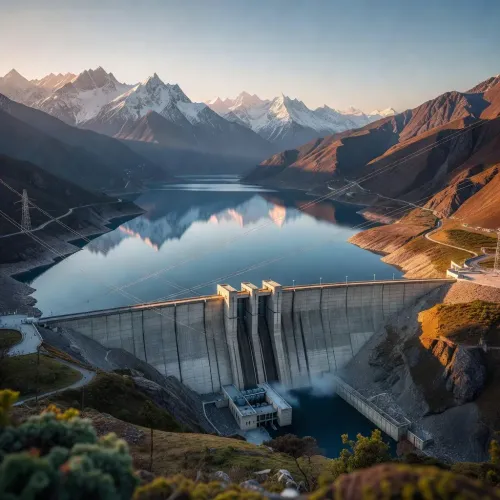
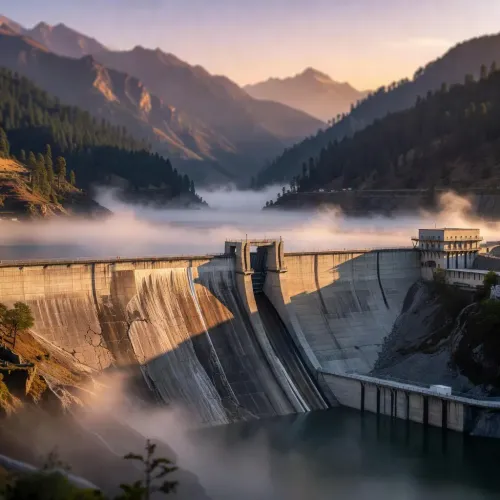
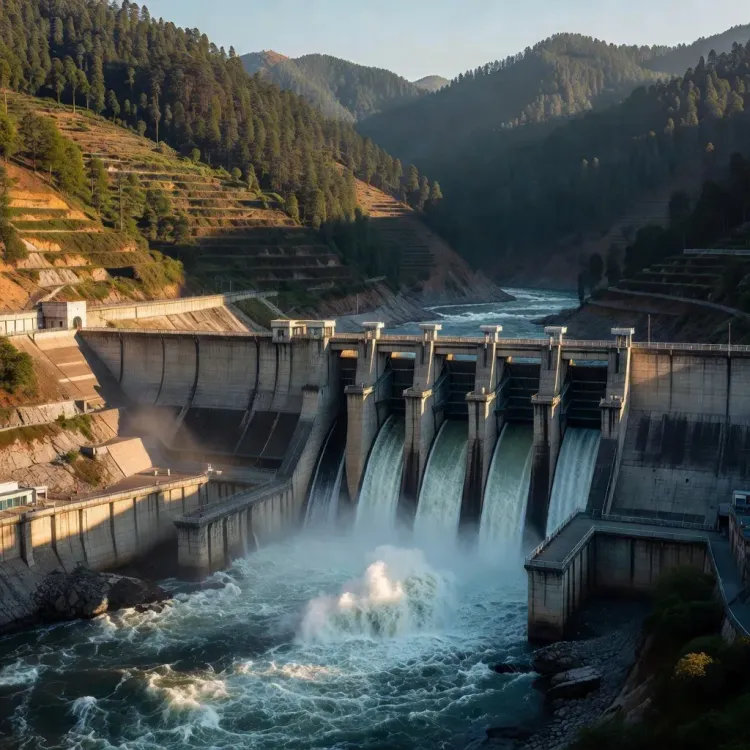
The BBMB manages shared hydroelectric infrastructure on the Sutlej and Beas rivers, with assets physically located in Himachal Pradesh but governed under a tri-state framework involving Punjab and Haryana. That structural tension — resources inside HP's territory, but revenues shared by others — has defined the state's grievance for decades.
A dispute rooted in the 1966 reorganisation
The roots of the conflict trace directly to the Punjab Reorganisation Act of 1966, which carved out Punjab, Haryana, and elevated Himachal Pradesh's status, but left critical questions of power-sharing and royalty allocation deliberately — or inadvertently — unresolved. Interstate disputes over jointly managed river-valley projects have simmered across northern India ever since, with Himachal Pradesh repeatedly pushing for a larger share of the hydroelectric wealth flowing from its own river valleys.
The state's hydel potential has long been a defining political identity: successive governments in Shimla have invoked sovereignty over natural resources as both an economic argument and a point of pride. That the CMO's post ends with the phrase 'प्रदेश के संसाधनों पर हक' — 'the right over the state's resources' — is not incidental. It is the closing note of a fifteen-year argument.
What comes next: grid integration and formal orders
The immediate task is translating a political announcement into operational reality. Administrative orders or formal inter-state agreements detailing the additional 12,000 MU allocation and its integration into Himachal Pradesh's state grid will be the critical next steps. Until those instruments are in place, the revenue projections remain aspirational.
Still, if the resolution holds, it recalibrates Himachal Pradesh's fiscal position in a meaningful way — turning a dormant claim into a live revenue stream, and a fifteen-year grievance into a government achievement ahead of the electoral cycle.
Point of View
If formalised through binding orders, would mark a significant shift in the long-standing power dynamics between Himachal Pradesh and the larger plains states in northern India's shared river-valley governance. It fits a broader pattern of hill states reasserting resource sovereignty decades after reorganisation frameworks created structural disadvantages for them. For the ruling government in Shimla, the timing — a claimed win on a 15-year grievance — carries obvious electoral messaging value. The real test will be whether formal inter-state agreements follow the announcement and translate projected revenue into actual state receipts.
NationPress
9 Nov 2026
Frequently Asked Questions
What is the BBMB and why does it matter to Himachal Pradesh?
The Bhakra Beas Management Board (BBMB) manages major hydroelectric projects on the Sutlej and Beas rivers. Much of this infrastructure sits within Himachal Pradesh's territory, but the board's governance and revenue-sharing framework has historically limited HP's direct financial benefits.
What has Himachal Pradesh gained in the BBMB settlement announced in November 2026?
According to the state government, HP has secured an electricity allocation of 12,000 Million Units, projected to generate Rs 500 crore annually and an estimated Rs 20,000 crore in cumulative benefits over the next 20 years.
How long has the BBMB dispute been pending?
The Chief Minister's Office stated the dispute had been pending for 15 years, with its deeper roots traceable to unresolved power-sharing provisions in the Punjab Reorganisation Act of 1966.
Which states are involved in BBMB governance alongside Himachal Pradesh?
The BBMB framework involves three states: Punjab, Haryana, and Himachal Pradesh, all of which have stakes in the hydroelectric projects managed by the board.
What needs to happen for Himachal Pradesh to actually receive the BBMB power benefits?
Formal administrative orders or inter-state agreements detailing the 12,000 MU allocation must be issued and the power integrated into HP's state grid before the projected revenues can materialise.