HP Govt Hikes DA by 5%, Disburses from Nov 1
Synopsis
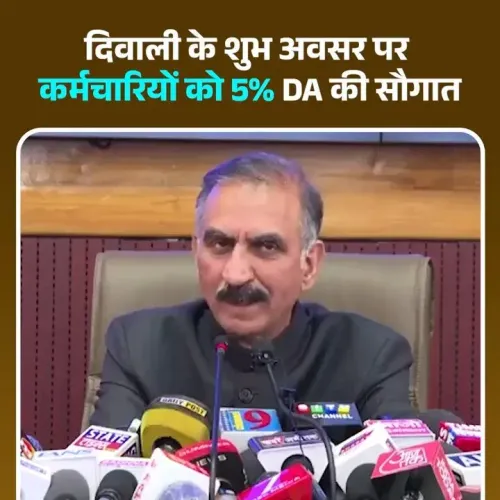
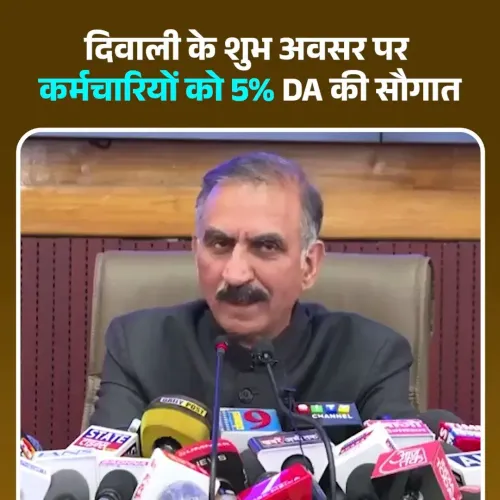
The Himachal Pradesh government has issued a notification raising Dearness Allowance by 5% for state employees and officers, effective 1 November 2026, with Class-IV employees set to receive the enhanced amount directly in their bank accounts on the same date.
Key Takeaways
5% DA increase has been officially notified by the Himachal Pradesh government on 24 October 2026 .
The revised Dearness Allowance takes effect from 1 November 2026 .
Fourth-class (Class-IV) employees will receive the enhanced DA directly in their bank accounts on 1 November .
The hike covers state government employees and officers across Himachal Pradesh .
DA is an inflation-linked pay component revised periodically to protect employee purchasing power.
A direct benefit for hundreds of thousands of government employees lands on 1 November 2026 — the Chief Minister's Office of Himachal Pradesh announced on Saturday, 24 October 2026 that the state government has issued a formal notification raising Dearness Allowance (DA) by 5%, with the revised rate kicking in from the first of next month.
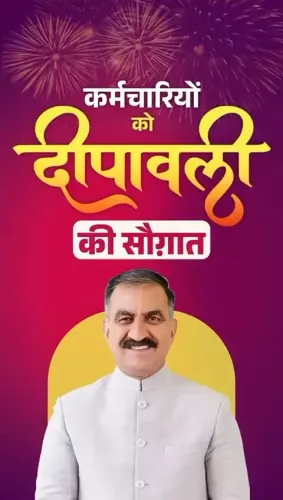
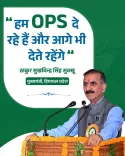
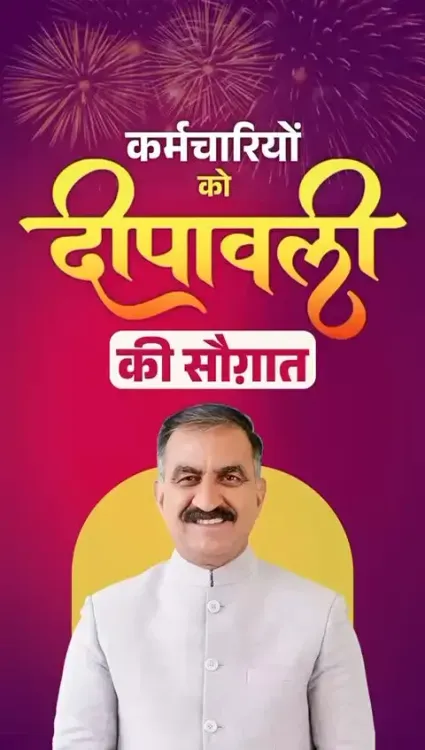
The post states: 'प्रदेश की प्रगति में हमारे कर्मचारियों और अधिकारियों का योगदान महत्त्वपूर्ण है' — ('The contribution of our employees and officers to the progress of the state is significant.') The government has, it says, issued a notification to increase DA by 5% keeping their interests in view, with benefits payable from 1 November. Significantly, the announcement also references a direct transfer into the bank accounts of fourth-class (Class-IV) employees on the same date.
What a DA hike actually means for a state's payroll
Dearness Allowance is the inflation-linked component of government pay — recalculated periodically so that employees' real purchasing power does not erode as prices rise. A 5-percentage-point increase translates directly into a higher monthly take-home for every state government employee, from senior officers down to the lowest-paid Class-IV staff. The notification — a gazette order — is the administrative trigger: without it, no finance department can process the revised disbursement.
Himachal Pradesh's move follows the well-established pattern across Indian states of revising DA in tandem with, or in the wake of, central government revisions. State budgets absorb the additional liability, making such announcements a meaningful fiscal signal as much as a welfare measure.
Why Class-IV employees get a special mention
The explicit callout of fourth-class employees' bank accounts is deliberate. Class-IV workers — peons, sweepers, drivers, attendants — sit at the bottom of the government pay pyramid and typically have the thinnest financial buffers. A direct credit on 1 November signals that the administration is not only revising rates on paper but ensuring the most economically vulnerable section of its workforce sees the money land without administrative delay. It is a political and administrative statement rolled into one.
Point of View
A DA hike shores up goodwill among the organised government-employee constituency, one of the most reliably vocal in hill-state politics. The explicit guarantee of same-day bank credits for Class-IV workers also reflects a broader national trend of governments using direct-benefit-transfer optics to demonstrate pro-poor intent. Whether the state's fiscal position comfortably absorbs the incremental payroll burden — DA hikes compound across every cadre — will be the quieter question finance watchers ask.
NationPress
24 Oct 2026
Frequently Asked Questions
By how much has Himachal Pradesh increased DA for its employees?
The Himachal Pradesh government has increased Dearness Allowance by 5% for state government employees and officers, as notified on 24 October 2026 .
From when will the increased DA be effective in Himachal Pradesh?
The enhanced DA will be effective from 1 November 2026 , and employees will receive the benefit from that date onwards.
Will Class-IV employees in Himachal Pradesh get the DA directly in their bank accounts?
Yes. The Chief Minister's Office announced that fourth-class (Class-IV) employees will receive the increased DA directly credited to their bank accounts on 1 November 2026 .
What is Dearness Allowance and why does it get revised?
Dearness Allowance (DA) is an inflation-linked component of government employees' salaries. It is revised periodically — by both the central and state governments — to offset the impact of rising prices and maintain employees' real purchasing power.
Which government issued the Himachal Pradesh DA hike notification?
The Government of Himachal Pradesh issued the official notification, announced via the Chief Minister's Office on 24 October 2026 .