HP Govt to Buy Ginger at ₹40/kg, Wheat at ₹80/kg

Synopsis
The Chief Minister's Office of Himachal Pradesh announced on 30 October 2026 that the state will procure ginger at ₹40 per kilogram — ₹10 above the prevailing market rate of ₹30 — with an official notification due soon. Wheat is already being bought at ₹80 per kilogram.
Key Takeaways
Himachal Pradesh's Chief Minister's Office announced ginger procurement at ₹40 per kilogram , against the current market price of ₹30 per kg .
The ₹10 premium over market rates is designed to protect ginger farmers from distress selling.
Wheat is already being procured at ₹80 per kilogram under the state's ongoing buying operations.
An official notification for the ginger procurement scheme will be issued shortly.
The move extends state-level farm income support to horticultural crops not covered by central MSP policy.
Operational details — procurement centres, timelines, and quality norms — will be critical for farmers to access the guaranteed price.
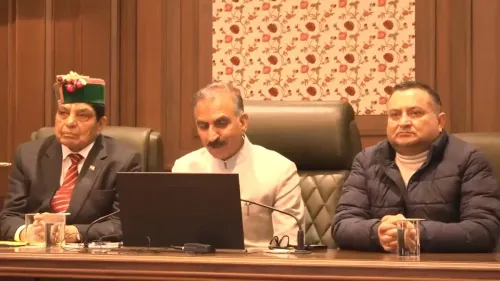
Himachal Pradesh's farmers got a direct price guarantee on Friday, 30 October 2026, as the Chief Minister's Office of Himachal Pradesh announced that the state government will procure ginger at ₹40 per kilogram — a full ₹10 above the current market rate of ₹30 per kg — with a formal notification to follow shortly.
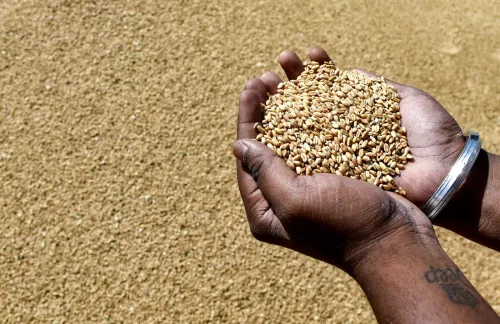
The post also confirmed that wheat is already being purchased at ₹80 per kilogram, signalling that the state's active procurement machinery is already in motion for at least one key crop this season.
A ₹10 premium that matters on the farm
The gap between ₹30 and ₹40 per kilogram is not symbolic arithmetic — for a ginger farmer in Himachal Pradesh's hill districts, where smallholder plots often yield a few hundred kilograms per harvest, a ₹10 premium translates into thousands of rupees of additional household income in a single transaction. The state government's willingness to announce the rate publicly, ahead of the official notification, is itself a market signal: it anchors farmer expectations and discourages distress selling to private traders at the prevailing lower price.
Ginger cultivation is spread across several mid-hill districts of Himachal Pradesh, and the crop has seen volatile price swings in recent years driven by national supply-demand cycles. A guaranteed floor from the state government insulates growers from the sharpest downside of that volatility.
How this fits Himachal's procurement pattern
Indian state governments have increasingly stepped in with crop-specific procurement rates that go beyond the central government's Minimum Support Price (MSP) framework, which covers staples like wheat but leaves horticultural crops like ginger largely outside the formal safety net. Himachal Pradesh's move mirrors a broader trend of hill-state governments crafting bespoke support for high-value, locally grown crops that national MSP policy was never designed to address.
The wheat procurement rate of ₹80 per kilogram — already operational — suggests the state has built at least some administrative capacity for direct buying this season. The ginger notification, once issued, will need to specify procurement centres, quality norms, and payment timelines for the intervention to reach farmers effectively.
What farmers and markets are watching now
The critical next step is the official gazette notification for ginger procurement. Until that document is published, the ₹40 rate remains a stated intent rather than an enforceable entitlement. Farmer groups and local agricultural cooperatives will be watching closely for the operational fine print — especially the window during which purchases will be accepted, and whether procurement points are accessible to remote hill growers.
If the notification lands quickly and logistics hold, Himachal Pradesh will have put a meaningful floor under two crops at once — an unusually direct act of market intervention that could set a template for other hill states watching their own ginger and spice farmers navigate thin margins.
Point of View
Particularly for spices and horticulture. The political timing — a public announcement ahead of the formal notification — is a calculated move to anchor farmer sentiment and cut off private traders at the prevailing lower rate. The real test will be administrative: whether procurement infrastructure reaches smallholder farmers in remote hillside plots, or whether the benefit concentrates near accessible mandis. If operationalised smoothly, this sets a quiet but significant precedent for state-driven agricultural market intervention in crop categories that national policy has historically neglected.
NationPress
30 Oct 2026
Frequently Asked Questions
What is the new ginger procurement price in Himachal Pradesh?
The Himachal Pradesh government has announced it will procure ginger at ₹40 per kilogram , which is ₹10 above the current market price of ₹30 per kg. The official notification is expected shortly.
At what rate is Himachal Pradesh buying wheat?
Himachal Pradesh is currently procuring wheat at ₹80 per kilogram , according to the announcement by the Chief Minister's Office.
When will the ginger procurement notification be issued?
The Chief Minister's Office stated that the official notification for ginger procurement at ₹40 per kg will be issued 'soon,' but an exact date was not specified.
Why is the HP government buying ginger above market price?
The state government is offering a price above the prevailing market rate to support ginger farmers' incomes and prevent distress selling to private traders at lower prices — a practice increasingly used by Indian states for crops outside the central MSP framework.
Does ginger have a central government MSP in India?
No. The central government's Minimum Support Price framework primarily covers staple crops like wheat and rice. Ginger and other horticultural crops are generally not covered, which is why state governments sometimes step in with their own procurement schemes.