Hul Diwas 2025: Jharkhand CM Hemant Soren, LoP Marandi honour Sidhu-Kanhu martyrs
Synopsis
On the 171st anniversary of the Santhal Hul rebellion, Jharkhand's Chief Minister and Leader of Opposition set aside political rivalry to jointly honour the six martyrs of 1855 — a rare show of cross-party consensus in a state where tribal identity and land rights remain live political fault lines.
Key Takeaways
Jharkhand observed Hul Diwas on 30 June , marking 171 years since the Santhal Hul rebellion of 1855 .
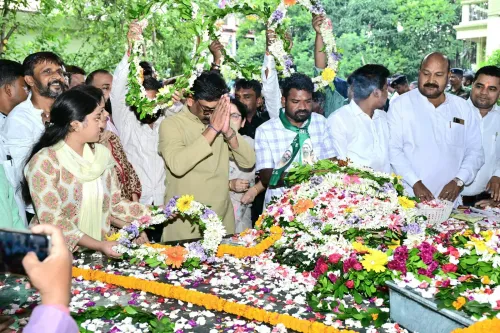
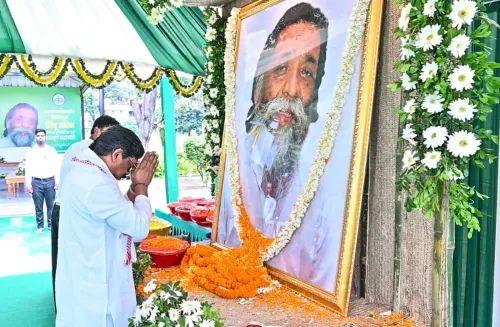
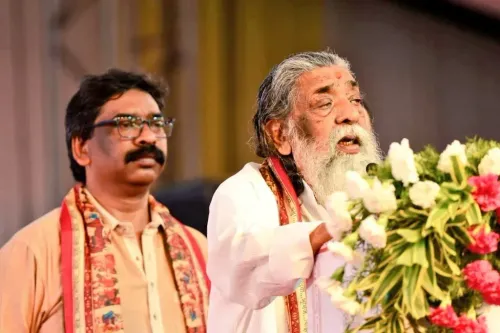
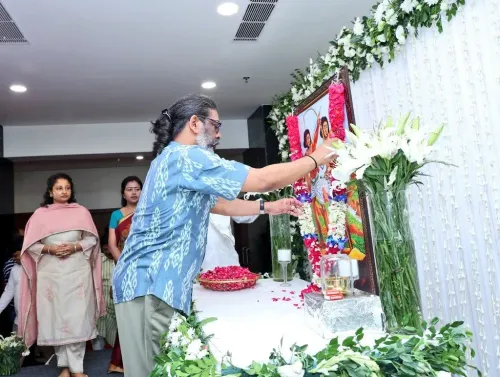
Chief Minister Hemant Soren and Leader of Opposition Babulal Marandi paid floral tributes at Sidhu-Kanhu Park in Ranchi .
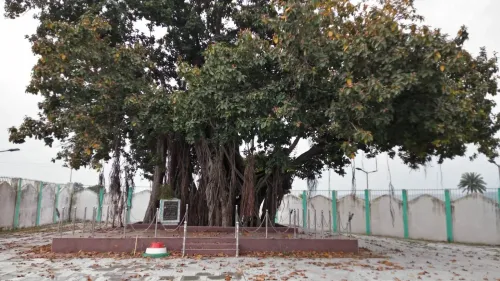
Large gatherings were reported at Bhognadih village , Sahibganj district — the historic site of the uprising.
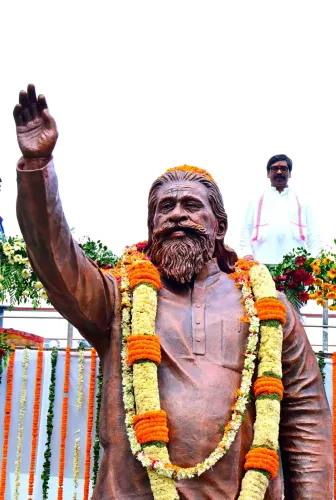
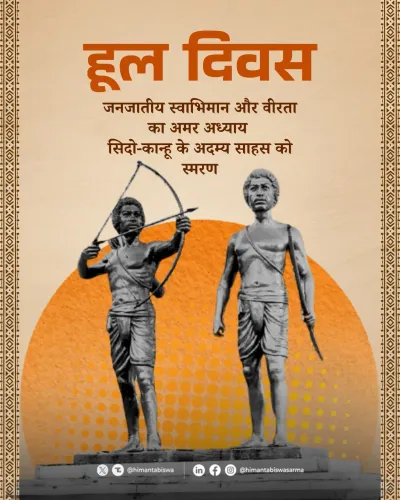
Six martyrs were honoured: Sidhu Murmu , Kanhu Murmu , Chand Murmu , Bairab Murmu , Phulo Murmu , and Jhano Murmu .
CM Soren called the revolutionary spirit eternal, writing on X : 'Revolutionary fire never dies, nor can it be extinguished.'
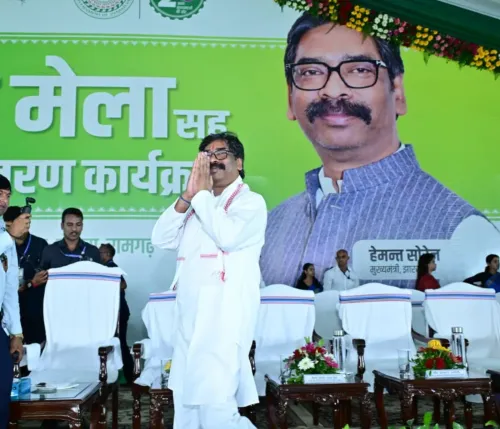
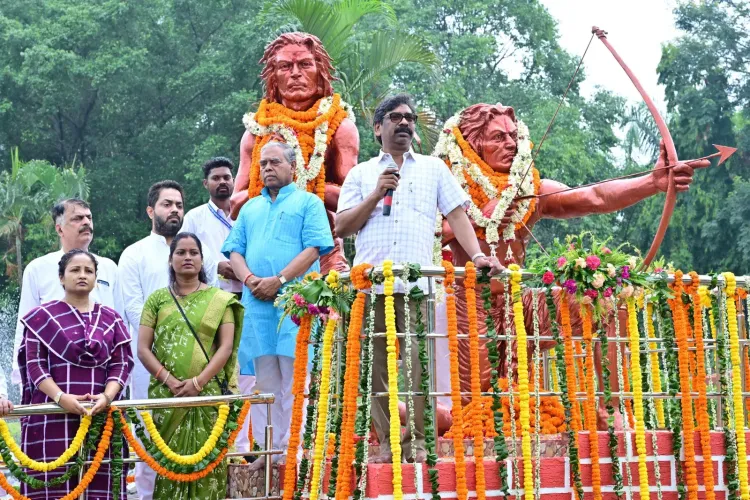
Jharkhand observed Hul Diwas on 30 June with solemn tributes to Sidhu Murmu and Kanhu Murmu, the Santhal leaders who ignited a historic rebellion against British rule 171 years ago in 1855. Chief Minister Hemant Soren and Leader of Opposition Babulal Marandi led the commemorations at Sidhu-Kanhu Park in Ranchi, joining hundreds of citizens in honouring the martyrs of the Santhal Hul uprising.
Tributes Across Jharkhand
Floral tributes were offered at Sidhu-Kanhu Park in Ranchi, with both the Chief Minister and the Leader of Opposition present. Large gatherings were also reported at Bhognadih village in Sahibganj district — the historic site where the 1855 Santhal Hul rebellion first erupted — as people assembled to pay homage to the martyrs.
What Chief Minister Soren Said
After offering floral tributes, Chief Minister Soren said that Hul Diwas is not merely an act of historical remembrance but a living symbol of resistance against injustice and oppression. He noted that at a time when the oppressed had no visible means of fighting back, Sidhu-Kanhu, Chand-Bairab, and brave women Phulo-Jhano sounded the bugle of revolt without fear of consequences.
'Revolutionary fire never dies, nor can it be extinguished. Its spark always remains alive,' Soren wrote in a post on X, drawing a parallel with the eternal flames at Rajghat and India Gate in Delhi. He described Jharkhand as a land of heroes whose history, he said, will always be written in golden letters.
Leader of Opposition Marandi's Address
Leader of Opposition Babulal Marandi also paid tribute at the park and recalled the full breadth of the Hul movement. He said the uprising, which began in the Santhal Pargana region in 1855, was a historic mass rebellion against the oppressive and exploitative policies of British rule.
Marandi noted that under the leadership of Sidhu Murmu, Kanhu Murmu, Chand Murmu, Bairab Murmu, and women leaders Phulo Murmu and Jhano Murmu, the Santhal community waged an unprecedented battle to protect their land, forests, water, and identity. He added that the movement transcended a challenge to British authority and became a broader symbol of awakening for freedom, self-respect, and rights.
Historical Significance of the Santhal Hul
The Santhal Hul of 1855 is one of the earliest and largest armed uprisings against British colonial rule in the Indian subcontinent, predating the 1857 Revolt by two years. Centred in what is now Jharkhand and parts of West Bengal, the rebellion mobilised tens of thousands of Santhal tribals against exploitative landlords, money-lenders, and colonial administrators. The six martyrs commemorated on Hul Diwas — including the two women leaders — have become enduring symbols of indigenous resistance and self-determination.
What Comes Next
Annual observances of Hul Diwas serve as a platform for Jharkhand's political leadership to reaffirm commitments to tribal rights and forest protections. This year's cross-party participation — with both the ruling Jharkhand Mukti Morcha-led government and the opposition Bharatiya Janata Party represented — signals the rebellion's place above partisan lines in the state's collective memory. Advocacy groups are expected to use the occasion to press for faster implementation of forest rights legislation in the region.
Point of View
Tribal identity consistently outranks partisan loyalty on symbolic occasions. What is worth watching is whether the rhetoric of resistance translates into policy: forest rights implementation in the state remains contested, and Santhal communities in Sahibganj and the Santhal Pargana continue to face land-acquisition pressures. Commemorating 1855 is the easy part; the harder question is whether Hul Diwas will be used this year to advance concrete legislative or administrative commitments, or whether it remains a ritual that both sides of the aisle can safely claim without accountability.
NationPress
29 Sept 2026
Frequently Asked Questions
What is Hul Diwas and why is it observed on 30 June?
Hul Diwas is observed on 30 June each year to commemorate the start of the Santhal Hul rebellion of 1855, one of the earliest armed uprisings against British colonial rule in India. The date marks when Santhal leaders Sidhu and Kanhu Murmu mobilised tens of thousands of tribals in what is now Jharkhand and West Bengal.
Who were Sidhu and Kanhu, and what did they fight for?
Sidhu Murmu and Kanhu Murmu were Santhal tribal leaders who, along with their brothers Chand and Bairab and women leaders Phulo and Jhano Murmu, led the 1855 Hul rebellion against British administrators, exploitative landlords, and money-lenders. They fought to protect Santhal land, forests, water, and cultural identity.
Where did the 2025 Hul Diwas tributes take place?
The main tributes were paid at Sidhu-Kanhu Park in Ranchi, where Chief Minister Hemant Soren and Leader of Opposition Babulal Marandi offered floral homage. Large gatherings were also reported at Bhognadih village in Sahibganj district, the historic site where the 1855 uprising began.
What did Chief Minister Hemant Soren say on Hul Diwas?
CM Soren said Hul Diwas is a symbol of resistance against injustice, not merely a historical remembrance. In a post on X, he wrote: 'Revolutionary fire never dies, nor can it be extinguished. Its spark always remains alive,' drawing a parallel with the eternal flames at Rajghat and India Gate.
Why is the Santhal Hul of 1855 historically significant?
The Santhal Hul is considered one of the largest and earliest armed uprisings against British rule in the Indian subcontinent, preceding the 1857 Revolt by two years. It mobilised tens of thousands of Santhal tribals and remains a foundational moment in Jharkhand's identity and the broader history of indigenous resistance in India.