Santhal Hul at 171: Bhognadih gears up to honour India's first freedom fighters
Synopsis
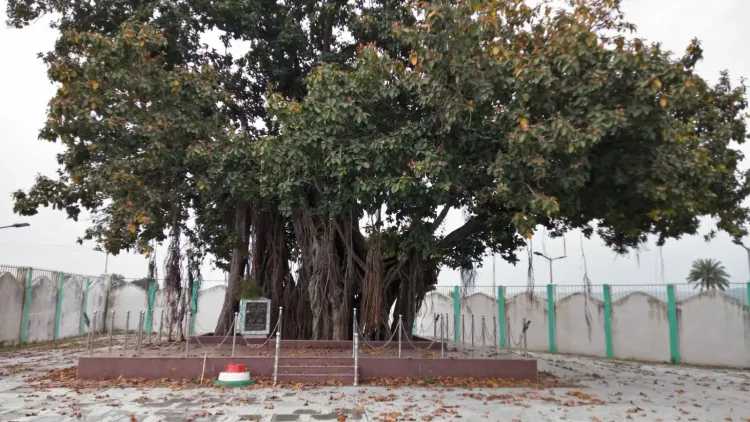
The banyan tree at Pachkatia in Bhognadih still stands where Sidhu Murmu was hanged in 1855 — and on 30 June, thousands will gather beneath it for the 171st time. The Santhal Hul predated the 1857 Revolt by two years, drew Karl Marx's attention, and cost over 10,000 lives. Yet it remains on the margins of India's official freedom narrative — a gap that tribal scholars are pushing hard to close.
Key Takeaways
Jharkhand's Bhognadih marks the 171st anniversary of the Santhal Hul on 30 June 2026 , with thousands expected to attend the state government's commemorative programme.
On 30 June 1855 , nearly 20,000 people assembled at Pachkatia under Sidhu Murmu , Kanhu Murmu , and their four siblings to launch an armed revolt against British colonial rule.
Over 50,000 people from 52 villages participated; historians estimate more than 10,000 lives were lost in a campaign lasting over a year.
Political philosopher Karl Marx referenced the Santhal Hul in his writings; London newspapers also reported on the rebellion at the time.
The Centre issued a commemorative postage stamp for Sidhu and Kanhu in 2002 , but tribal scholars argue the uprising still lacks adequate recognition in India's national freedom narrative.
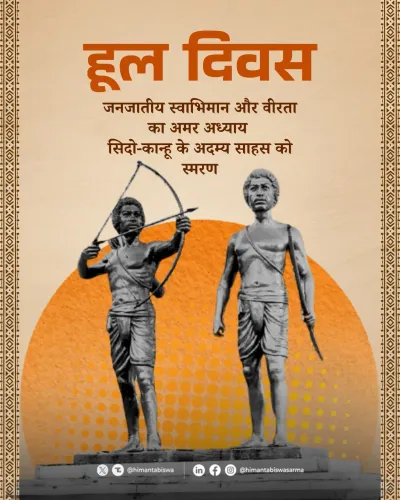
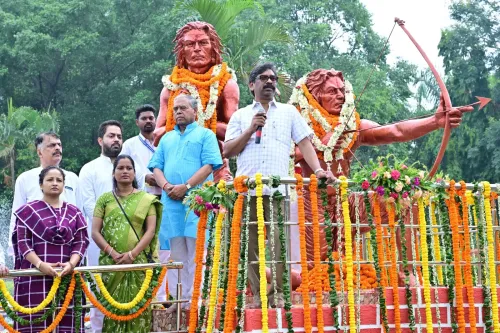
Thousands are set to converge on Bhognadih village in Jharkhand's Sahibganj district on 30 June 2026 to mark the 171st anniversary of the Santhal Hul — widely regarded by tribal historians as India's first organised freedom struggle, predating the Revolt of 1857 by two years. The Jharkhand state government will host a major commemorative programme at the site, reaffirming Hul Diwas as one of the most significant dates in the state's socio-political calendar.
The Uprising That Shook British Rule
On 30 June 1855, nearly 20,000 people assembled at Pachkatia in Bhognadih under the leadership of six siblings — Sidhu Murmu, Kanhu Murmu, Chand Murmu, Bairab Murmu, Phulo Murmu, and Jhano Murmu. From beneath a sprawling banyan tree that still stands today, they issued a bold declaration demanding that the British leave the region, igniting a mass armed rebellion against colonial rule, exploitative moneylenders, and feudal oppression.
The rebellion drew support from diverse communities — Paharias, Ahirs, Lohars, and other agrarian groups — reflecting a broad social coalition. According to research cited by Sudhir Pal, author of the Jharkhand Encyclopaedia, the movement possessed dedicated military units, intelligence networks, supply chains, and communication systems, suggesting a level of organisational sophistication rarely attributed to it in mainstream accounts.
Battles, Losses and Martyrdom
Armed with bows and arrows, axes, and traditional weapons, Santhal fighters mounted a formidable challenge to the East India Company's forces. They inflicted significant losses on British troops in engagements at Pirpainti on 16 July 1855 and Birbhum on 21 July 1855. More than 50,000 people from around 52 villages are believed to have participated directly, and historians estimate that over 10,000 lives were lost during a campaign that lasted more than a year.
The British launched extensive military operations to suppress the rebellion. Chand and Bairab were killed in battle. Sidhu was captured and hanged from the same banyan tree at Pachkatia that stands as a memorial today. Kanhu was executed in Bhognadih itself.
International Recognition and the Debate Over India's 'First War'
The scale of the Santhal Hul drew attention well beyond eastern India. Political philosopher Karl Marx referenced the uprising in his writings, including Notes on Indian History, and several London newspapers carried reports on the rebellion at the time. Ranendra, former Director of the Ram Dayal Munda Tribal Research Institute and a senior IAS officer, has noted that the uprising's significance extended far beyond the forests and hills of the region.
While mainstream Indian historiography has long designated the 1857 Revolt as the country's First War of Independence, tribal scholars argue that the Santhal Hul — a well-planned mass rebellion with an explicit political objective of ending British rule — deserves that distinction. The debate remains live in academic and policy circles, particularly in Jharkhand.
Recognition, Gaps and the Road Ahead
Independent India has acknowledged the Santhal martyrs to a degree. In 2002, the Centre issued a commemorative postage stamp honouring Sidhu and Kanhu. However, many tribal scholars and community leaders argue that the Santhal Hul has not received commensurate prominence in the national freedom movement narrative.
As Bhognadih prepares once again to become the epicentre of remembrance on 30 June, the gathering beneath the ancient banyan tree at Pachkatia will serve as both a memorial and a continuing assertion of tribal identity, dignity, and the demand for historical recognition.
Point of View
Not a reckoning. As long as the 1857 Revolt holds an unchallenged monopoly on the 'First War of Independence' label in textbooks, the political and cultural work done by the Murmu siblings and 10,000 martyrs will remain footnoted rather than foregrounded. Jharkhand's insistence on Hul Diwas is not nostalgia — it is a corrective demand.
NationPress
28 Sept 2026
Frequently Asked Questions
What is the Santhal Hul and why is it significant?
The Santhal Hul was a large-scale tribal rebellion launched on 30 June 1855 at Bhognadih in present-day Jharkhand, led by Sidhu Murmu, Kanhu Murmu, and their siblings against British colonial rule, exploitative moneylenders, and feudal oppression. Many tribal historians regard it as India's first organised freedom struggle, predating the 1857 Revolt by two years.
Where is Hul Diwas observed and who attends?
Hul Diwas is observed across Jharkhand on 30 June each year, but Bhognadih in Sahibganj district — the birthplace of the uprising — is the primary site. Thousands of people from across Jharkhand and neighbouring states gather there annually, and the state government organises a major commemorative programme.
How many people participated in the Santhal Hul of 1855?
Historians estimate that over 50,000 people from around 52 villages participated directly in the Santhal Hul. Nearly 20,000 assembled at Pachkatia on 30 June 1855 alone, and more than 10,000 people are believed to have lost their lives during the campaign, which lasted over a year.
What happened to the leaders of the Santhal Hul?
Chand Murmu and Bairab Murmu were killed in battle during the British military crackdown. Sidhu Murmu was captured and hanged from the banyan tree at Pachkatia in Bhognadih — the same tree that stands as a memorial today. Kanhu Murmu was executed in Bhognadih.
Has independent India formally recognised the Santhal Hul?
Recognition has been partial. In 2002, the Centre issued a commemorative postage stamp honouring Sidhu and Kanhu Murmu. However, many tribal scholars and community leaders argue that the Santhal Hul has not received the prominence it deserves in national freedom movement narratives or school curricula.