PM Modi Pays Tribute to Tribal Heroes on Hul Diwas

Synopsis
Prime Minister Narendra Modi on 30 June 2026 marked Hul Diwas by honouring Santali uprising heroes Sido-Kanhu, Chand-Bhairav, and Phulo-Jhano, calling the 1855 rebellion a symbol of tribal India's extraordinary spirit against colonial injustice.
Key Takeaways
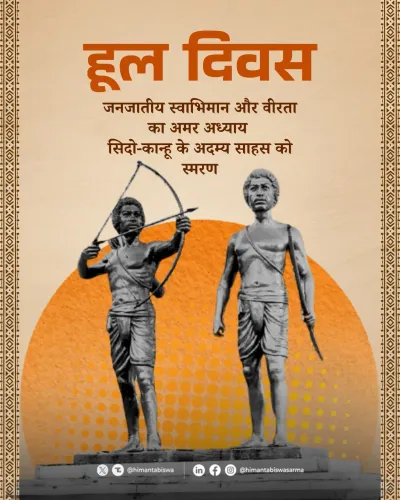
Hul Diwas is observed on 30 June each year to mark the start of the Santali Hul Uprising of 1855 .
PM Modi paid tribute to Sido-Kanhu , Chand-Bhairav , and Phulo-Jhano — the six leaders of the rebellion against British colonial rule.
The word 'Hul' means 'revolution' in Santali; the uprising began in Bhognadih village in present-day Jharkhand .
The Modi government has institutionalised tribal heritage recognition through Janjatiya Gaurav Diwas on 15 November and the PM Janman Yojana for PVTGs.
Hul Diwas is a state holiday in Jharkhand and is observed across tribal belts of West Bengal , Odisha , and Bihar .
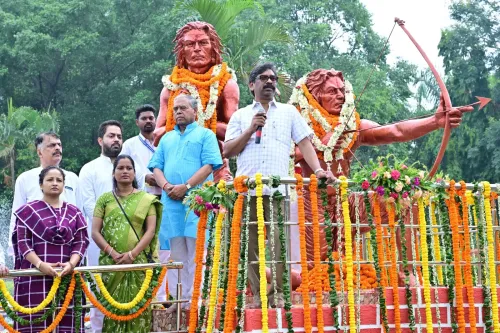
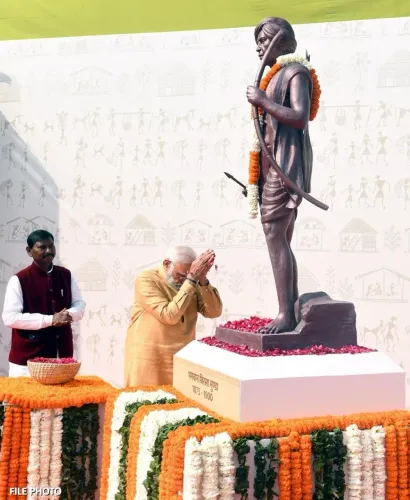
Prime Minister Narendra Modi on Tuesday, 30 June 2026, paid homage to the tribal freedom fighters of the Santali Hul Rebellion on the occasion of Hul Diwas, honouring their sacrifice in the struggle against colonial injustice.
In his post, the Prime Minister described Hul Diwas as a 'powerful symbol of the extraordinary spirit of our tribal community, who gave their lives for the motherland.' He extended his 'respectful tribute' to warriors including Sido-Kanhu, Chand-Bhairav, and Phulo-Jhano, who 'firmly resisted the injustice of foreign rule.'
Context
Hul Diwas is observed every year on 30 June to commemorate the Santali Hul Uprising of 1855, one of the largest peasant revolts in colonial India. The rebellion was led by brothers Sido and Kanhu Murmu along with their brothers Chand and Bhairav and sisters Phulo and Jhano, who mobilised tens of thousands of Santali tribals against the oppression of the British East India Company and local money-lenders in the Santhal Parganas region, now part of Jharkhand.
The uprising, which began on 30 June 1855 in Bhognadih village, is regarded as a precursor to the broader revolt of 1857. The word 'Hul' means 'revolution' in the Santali language, and the day holds deep cultural and historical significance for tribal communities across eastern India.
Policy Backdrop
The Modi government has consistently sought to foreground tribal contributions to India's freedom struggle as part of a broader cultural reclamation effort. The government designated 15 November — the birth anniversary of tribal icon Birsa Munda — as Janjatiya Gaurav Diwas (Tribal Pride Day), a national observance first celebrated in 2021.
Schemes such as the PM Janman Yojana, launched in November 2023, specifically target Particularly Vulnerable Tribal Groups (PVTGs), aiming to extend basic infrastructure and welfare to the most marginalised indigenous communities. The government has also expanded the Eklavya Model Residential Schools network to improve educational access in tribal regions.
Stakeholders and Impact
Hul Diwas is a state holiday in Jharkhand and is observed with particular fervour in West Bengal's Santhal-majority districts. Tribal communities across Jharkhand, West Bengal, Odisha, and Bihar hold rallies, cultural programmes, and memorial gatherings on this day.
The Prime Minister's acknowledgement of Phulo and Jhano — the women warriors of the uprising — is notable, as their contributions have historically received less visibility than those of their male counterparts. The explicit mention signals continued political attention to tribal women's heritage.
What's Next
With Jharkhand being a key electoral battleground and tribal voters constituting a significant share of the electorate in several states, the BJP's cultural outreach around tribal history and identity is expected to continue intensifying. The government's framing of figures like Sido-Kanhu and Birsa Munda as national heroes — rather than regional icons — reflects an effort to weave tribal resistance into the mainstream narrative of India's independence movement.
Point of View
Appealing to both tribal identity and women's heritage. With Jharkhand and Odisha remaining competitive electoral territories with large tribal electorates, this cultural engagement carries clear political resonance. The framing of the 1855 uprising as a pan-Indian moment of resistance, rather than a regional episode, reflects the government's broader effort to reshape the mainstream independence narrative.
NationPress
29 Sept 2026
Frequently Asked Questions
What is Hul Diwas and why is it celebrated on 30 June?
Hul Diwas is observed on 30 June every year to commemorate the start of the Santali Hul Uprising of 1855 , when Santali tribal leaders launched a mass revolt against British colonial oppression and exploitative money-lenders in the Santhal Parganas region of present-day Jharkhand.
Who were Sido, Kanhu, Chand, Bhairav, Phulo, and Jhano?
They were six siblings from the Murmu family who led the Hul Uprising of 1855 . Brothers Sido and Kanhu are the most widely recognised leaders; Chand and Bhairav were their brothers, while Phulo and Jhano were their sisters who also actively participated in the rebellion against the East India Company.
What did PM Modi say on Hul Diwas 2026?
PM Modi described Hul Diwas as a 'powerful symbol of the extraordinary spirit of our tribal community who gave their lives for the motherland,' and offered his 'respectful tribute' to the Santali warriors who resisted foreign rule, saying their story of sacrifice would continue to inspire the nation.
What is Janjatiya Gaurav Diwas and how is it related to Hul Diwas?
Janjatiya Gaurav Diwas is a national observance held on 15 November — the birth anniversary of tribal icon Birsa Munda — declared by the Modi government in 2021 to honour tribal freedom fighters. Like Hul Diwas, it is part of a broader institutional effort to recognise tribal contributions to India's independence struggle.
Which states observe Hul Diwas as a holiday?
Jharkhand observes Hul Diwas as a state holiday. The day is also marked with cultural events and memorials across tribal-majority districts of West Bengal , Odisha , and Bihar .