PM Modi Pays Tribute to Adivasi Freedom Fighters on Hul Diwas

Synopsis
Prime Minister Narendra Modi observed Hul Diwas on 30 June 2026 with a tribute in Santali's Ol Chiki script, honouring rebellion leaders Sidho-Kanhu, Chand-Bhairab, and Phulo-Jhano, whose 1855 uprising against British rule remains a defining moment in India's Adivasi freedom struggle.
Key Takeaways
PM Modi posted a Hul Diwas tribute on 30 June 2026 in Ol Chiki , the official script of the Santali language.
The post honoured Sidho-Kanhu, Chand-Bhairab, and Phulo-Jhano , leaders of the Hul Rebellion of 1855 against British colonial rule.
The Hul Rebellion mobilised an estimated 60,000 Santali tribals and is one of the earliest mass uprisings in pre-independence India.
India's Scheduled Tribe population stands at approximately 10.45 crore ; the Santali community numbers over 73 lakh .
The use of Ol Chiki script signals direct cultural outreach to Santali communities concentrated in Jharkhand, West Bengal, Odisha, and Bihar .
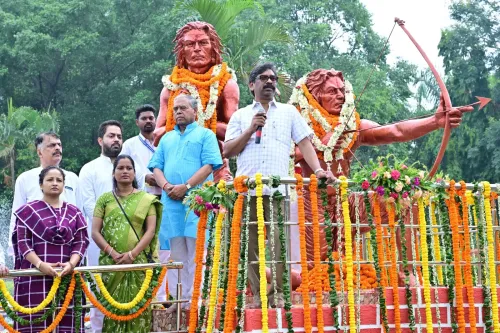
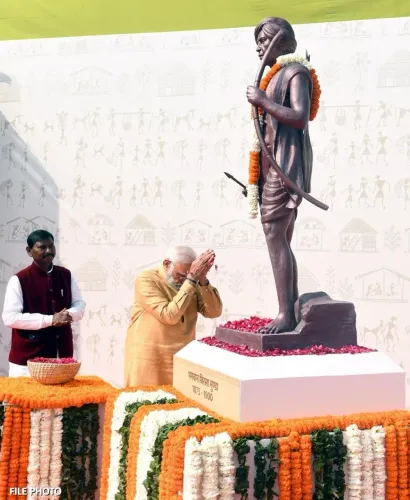
Prime Minister Narendra Modi on Tuesday, 30 June 2026, paid homage to the tribal freedom fighters of India on the occasion of Hul Diwas, honouring the legacy of the Santali-led Hul Rebellion of 1855 and its martyrs who fought against British colonial rule.
Context
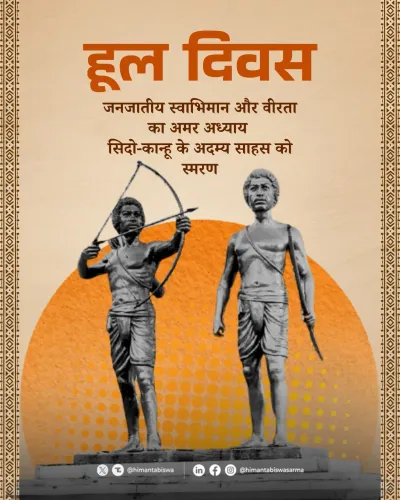
Hul Diwas, observed every year on 30 June, commemorates the anniversary of the Hul Rebellion — one of the earliest and largest uprisings against British colonial authority in the Indian subcontinent. The word 'hul' means 'revolution' in the Santali language. The Prime Minister's post, written in Santali script (Ol Chiki), described Hul Diwas as a proud symbol of the Adivasi community's identity and sacrifice for the nation.
In his message, Modi honoured legendary figures including Sidho-Kanhu, Chand-Bhairab, and Phulo-Jhano, calling them inspirations whose courage and spirit of sacrifice continue to live in the hearts of the people of the country.
Policy Backdrop
The Hul Rebellion of 1855–56 was led by the Murmu brothers — Sidho and Kanhu — along with their sisters Phulo and Jhano, mobilising an estimated 60,000 Santali tribals against the exploitative zamindari system and British rule in the region that is today Jharkhand. The rebellion is regarded as a foundational moment of Adivasi resistance in India's freedom struggle.
The BJP-led central government has in recent years emphasised recognition of tribal contributions to India's independence movement. The choice to write the post in Ol Chiki, the script developed for the Santali language and recognised under the Eighth Schedule of the Indian Constitution, reflects a deliberate outreach to the Santali-speaking Adivasi community concentrated in Jharkhand, West Bengal, Odisha, and Bihar.
Stakeholders and Impact
India is home to approximately 10.45 crore Scheduled Tribe citizens as per the last census, making them a significant demographic constituency. The Santali community is among the largest tribal groups, with a population of over 73 lakh. Communicating in Ol Chiki script directly addresses this community in their own language and writing system.
Adivasi rights groups and cultural organisations have long advocated for greater recognition of tribal martyrs in mainstream historical narratives. Tributes from the highest constitutional office on occasions like Hul Diwas are seen as steps toward that acknowledgement.
What's Next
With Jharkhand — the heartland of Santali culture and the site of the original Hul Rebellion — remaining a key political state, continued governmental recognition of Adivasi heritage is expected to shape both cultural policy and electoral outreach in the tribal belt. The government's emphasis on honouring tribal freedom fighters signals an ongoing effort to integrate Adivasi history more deeply into India's national narrative.
Point of View
Regional freedom fighters into a national narrative — one that emphasises diverse, grassroots resistance to colonial rule. Whether this translates into substantive policy gains for tribal communities remains the sharper question.
NationPress
29 Sept 2026
Frequently Asked Questions
What is Hul Diwas and why is it celebrated on 30 June?
Hul Diwas is observed on 30 June every year to mark the anniversary of the Hul Rebellion of 1855 , when Santali tribal leader Sidho Murmu and his brothers launched a mass uprising against British colonial rule and exploitative landlords in what is now Jharkhand . The word 'hul' means revolution in Santali.
Who were Sidho-Kanhu, Chand-Bhairab, and Phulo-Jhano?
Sidho and Kanhu Murmu were brothers who led the 1855 Santali uprising, mobilising tens of thousands of tribal fighters. Chand and Bhairab were their younger brothers, and Phulo and Jhano were their sisters — all of whom participated in the rebellion and are revered as Adivasi martyrs and freedom fighters.
What is Ol Chiki script and why did PM Modi use it?
Ol Chiki is the official script created for the Santali language , recognised under the Eighth Schedule of the Indian Constitution . PM Modi's use of Ol Chiki in his Hul Diwas post is seen as a direct cultural outreach to the Santali-speaking Adivasi community, which is concentrated in Jharkhand, West Bengal, Odisha, and Bihar .
What was the Hul Rebellion of 1855?
The Hul Rebellion of 1855–56 was one of India's largest pre-independence uprisings, led by the Santali tribal community against British rule and the exploitative zamindari system. Centred in the Santhal Parganas region of present-day Jharkhand , it mobilised an estimated 60,000 tribals and is regarded as a foundational moment of Adivasi resistance.
How large is India's Santali tribal population?
The Santali community is one of India's largest tribal groups, numbering over 73 lakh people. India's total Scheduled Tribe population is approximately 10.45 crore , primarily concentrated in the states of Jharkhand, Odisha, West Bengal, Bihar, and Assam .