PM Modi pays tribute to martyr Udham Singh on his Balidan Diwas
Synopsis
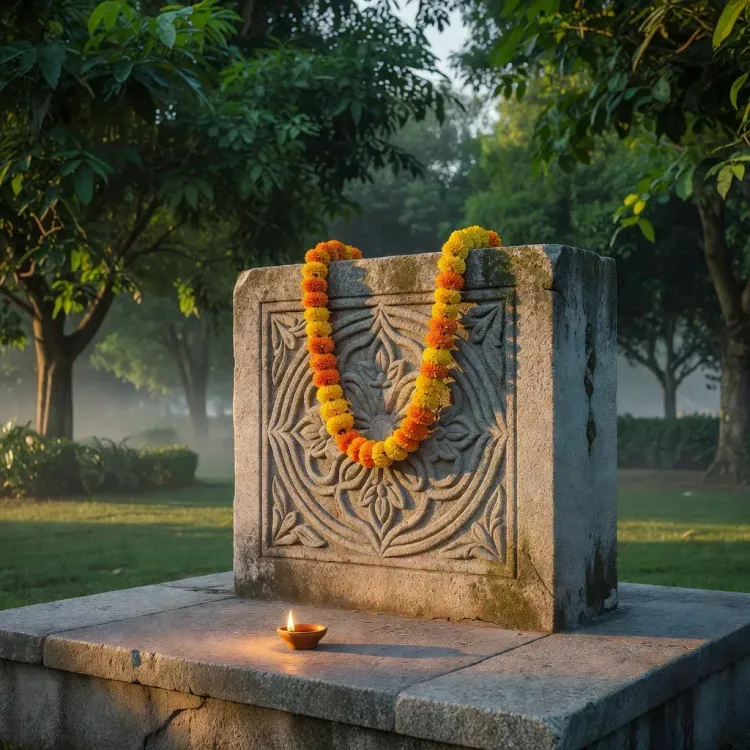
Prime Minister Narendra Modi on July 31 paid tribute to revolutionary martyr Udham Singh on his Balidan Diwas, honouring the man who avenged the 1919 Jallianwala Bagh massacre by assassinating Michael O'Dwyer in London in 1940 and was subsequently hanged.
Key Takeaways
PM Modi posted a solemn tribute to Shaheed Udham Singh on 31 July , his martyrdom anniversary.
Udham Singh was hanged on 31 July 1940 at Pentonville Prison, London after assassinating former Punjab Lt.
Governor Michael O'Dwyer in March 1940.
Singh's act was a direct reprisal for the Jallianwala Bagh massacre of 1919 , in which hundreds of unarmed civilians were killed in Amritsar .
Modi quoted a Sanskrit verse affirming that a man's valour, like the sun, never truly sets.
The tribute follows Modi's consistent pattern of honouring independence-era revolutionaries on their death anniversaries.
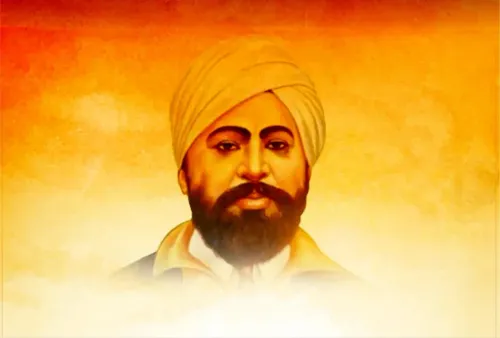
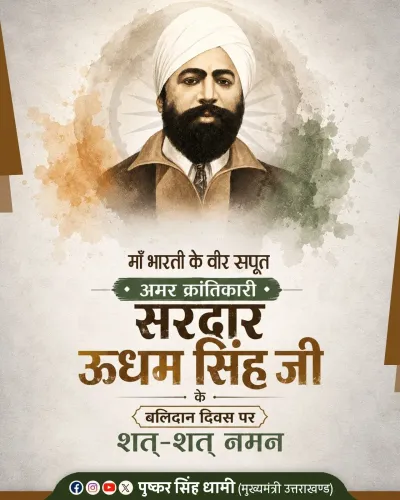
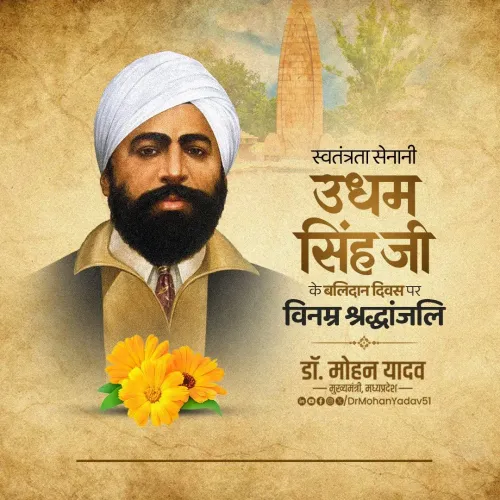
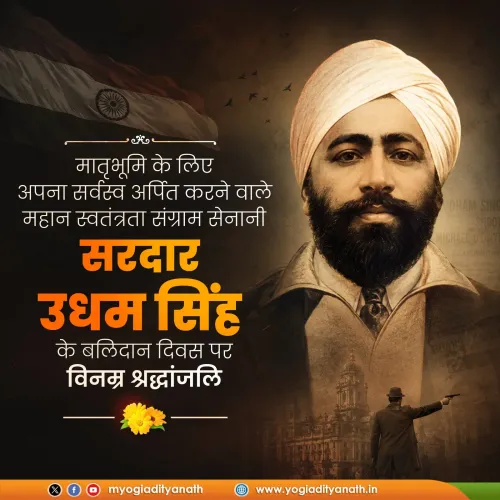
He avenged one of history's most infamous colonial massacres — and paid for it with his life. On the 31st of July, the anniversary of his execution, Prime Minister Narendra Modi offered a solemn salute to Shaheed Udham Singh, the revolutionary who carried the memory of Jallianwala Bagh across oceans and into the heart of the British empire.
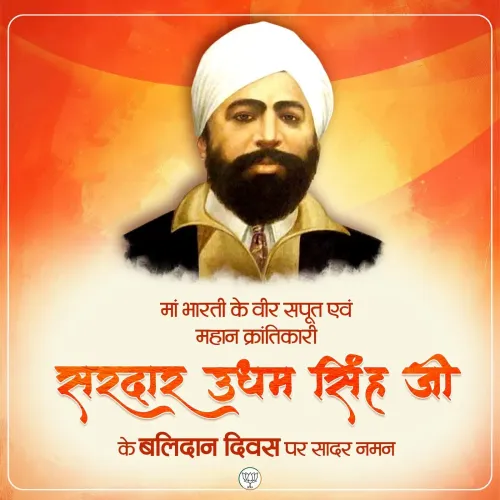
In his tribute post, the Prime Minister wrote — 'महान क्रांतिकारी शहीद उधम सिंह को उनके बलिदान दिवस पर सादर नमन' ('Respectful salutations to the great revolutionary martyr Udham Singh on his sacrifice day'), adding that his life story, filled with courage and resolve, will continue to inspire every generation of the nation to protect the honour of the motherland.
Modi also quoted a Sanskrit verse: 'न जातु शौर्यं पुरुषस्य भानुरस्तं गतो भवति कदापि शश्वत्। यथा पुनस्तपति दिवाकरोऽयं तथा पुनर्विक्रमते' — meaning, 'The valour of a man never truly sets like the sun; just as the sun rises again, so does his courage.'
The act that defined a revolution
Udham Singh was a young witness to the Jallianwala Bagh massacre of April 13, 1919, when troops under the command of General Reginald Dyer opened fire on an unarmed crowd in Amritsar, killing hundreds. The order to deploy troops had political sanction from Michael O'Dwyer, then Lieutenant Governor of Punjab — a man Singh held responsible for the carnage. For over two decades, Singh carried that wound. On 13 March 1940, at Caxton Hall in London, he shot and killed O'Dwyer at a public meeting. He made no attempt to flee. Tried and convicted, Udham Singh was hanged on 31 July 1940 at Pentonville Prison in London — a date that has since been observed as his Balidan Diwas (Martyrdom Day).A recurring invocation in Modi's political narrative
This tribute is part of a consistent pattern: Prime Minister Modi regularly marks the death anniversaries of independence-era revolutionaries — from Bhagat Singh to Subhas Chandra Bose — framing their sacrifices as a living moral inheritance for contemporary India. The themes of swabhiman (self-respect) and matra-bhumi (motherland) that anchor these posts reflect a deliberate effort to keep the freedom struggle's more militant strand visible in national memory. No policy or legislative action is expected from this ceremonial tribute. Its weight is symbolic — and on the anniversary of the day a revolutionary chose the gallows over compromise, that symbolism is considerable. Eighty-six years on, the sun, as the Sanskrit verse promises, keeps rising.Point of View
Not just the Gandhian mainstream, and it keeps figures like Udham Singh in active public memory rather than academic footnotes. Invoking a Sanskrit verse on valour alongside a vernacular Hindi salutation signals a deliberate blending of classical cultural heritage with mass political sentiment. Over time, this pattern has helped shape a narrative in which the state itself becomes the custodian of militant sacrifice — a subtle but consequential repositioning of how India's revolutionary past is officially remembered.
NationPress
14 Sept 2026
Frequently Asked Questions
Why is 31 July observed as Udham Singh's Balidan Diwas?
31 July marks the day Udham Singh was hanged at Pentonville Prison in London in 1940 after being convicted of assassinating former Punjab Lieutenant Governor Michael O'Dwyer . It is observed annually as his martyrdom day, or Balidan Diwas .
Who was Udham Singh and what did he do?
Udham Singh was an Indian revolutionary who witnessed the Jallianwala Bagh massacre of 1919 in Amritsar . He travelled to London and on 13 March 1940 shot and killed Michael O'Dwyer , the former Lieutenant Governor of Punjab whom he held responsible for the massacre.
What was the Jallianwala Bagh massacre?
The Jallianwala Bagh massacre took place on 13 April 1919 in Amritsar, Punjab , when British Indian Army troops commanded by General Reginald Dyer fired on a large unarmed gathering, killing hundreds of civilians.
What Sanskrit verse did PM Modi quote in his tribute to Udham Singh?
PM Modi quoted: 'न जातु शौर्यं पुरुषस्य भानुरस्तं गतो भवति कदापि शश्वत्। यथा पुनस्तपति दिवाकरोऽयं तथा पुनर्विक्रमते' — meaning, 'The valour of a man never truly sets like the sun; just as the sun rises again, so does his courage.'
Does PM Modi regularly pay tribute to freedom fighters?
Yes. Prime Minister Narendra Modi consistently posts tributes on the birth and death anniversaries of independence-era revolutionaries and martyrs, including figures such as Bhagat Singh and Subhas Chandra Bose , emphasising themes of courage, self-respect, and national pride.