Udham Singh martyrdom day: Modi, Shah, Rajnath lead nation in tribute
Synopsis
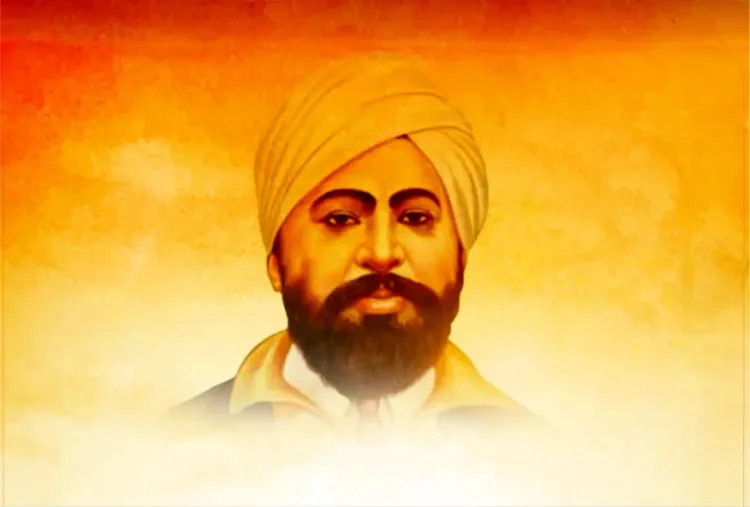
On the 85th anniversary of his hanging at Pentonville Prison, Shaheed Udham Singh drew tributes from India's Prime Minister, Home Minister, Defence Minister, and two Chief Ministers — a reminder that the man who avenged Jallianwala Bagh in London in 1940 remains one of independent India's most potent revolutionary symbols.
Key Takeaways
PM Narendra Modi paid tribute to Shaheed Udham Singh on his martyrdom anniversary, 31 July , calling his life story an enduring inspiration.
Home Minister Amit Shah highlighted Singh's role in the Ghadar Party and his act of avenging the Jallianwala Bagh massacre in London.
Defence Minister Rajnath Singh , Delhi CM Rekha Gupta , and UP CM Yogi Adityanath also paid their respects.
Udham Singh was born on 26 December 1899 in Punjab and was hanged at Pentonville Prison, London , on 31 July 1940 .
He assassinated British official Michael O'Dwyer on 13 March 1940 in London, avenging the 1919 Jallianwala Bagh massacre .
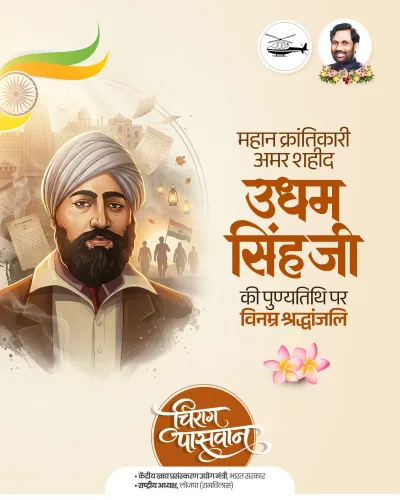
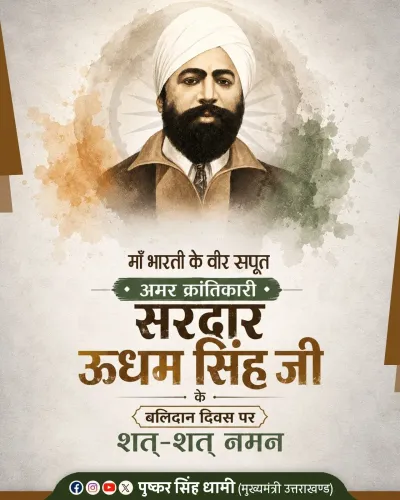
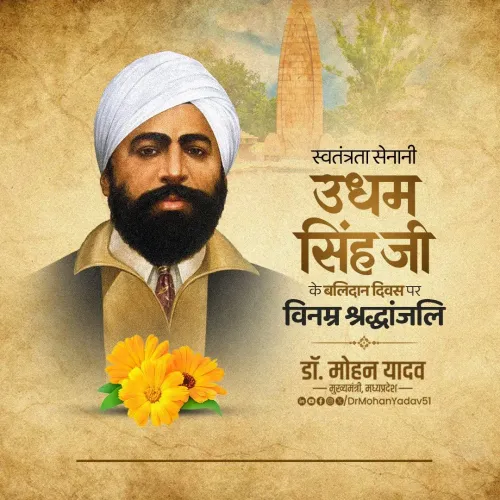
Prime Minister Narendra Modi on 31 July paid tribute to revolutionary freedom fighter Shaheed Udham Singh on his martyrdom anniversary, honouring the man who avenged the 1919 Jallianwala Bagh massacre by assassinating British official Michael O'Dwyer in London. Modi said Singh's life of courage would 'continue to inspire every generation of the country to protect the self-respect of the motherland.'
PM Modi and Home Minister Pay Homage
Prime Minister Modi posted his tribute on social media platform X, describing Singh as a 'great revolutionary martyr' whose story of courage would endure across generations. Union Home Minister Amit Shah said he bows in reverence to the 'immortal martyr' on the anniversary of his supreme sacrifice.
Shah noted that Singh 'struck terror into the heart of British rule by avenging in London the countrymen martyred in the Jallianwala Bagh massacre' and that, through the Ghadar Party, he 'played a pivotal role in igniting the flame of freedom in the hearts of Indians living abroad.' Shah added that Singh 'embraced the gallows with a smile for the sake of independence,' calling his life 'an exemplary testament to patience, determination, and patriotism.'
Defence Minister and State Leaders Join the Remembrance
Defence Minister Rajnath Singh called Singh's sacrifice 'a glorious chapter in Indian history,' saying the nation would 'continue to draw inspiration from him forever.' Delhi Chief Minister Rekha Gupta said Singh 'upheld India's self-respect, courage, and resolve for justice before the world' by avenging the Jallianwala Bagh massacre.
Uttar Pradesh Chief Minister Yogi Adityanath extended tribute as well, saying the 'valour, courage, and bravery' Singh demonstrated for the nation's freedom 'will remain an inspiration for the service of Mother India for centuries to come.'
Who Was Udham Singh
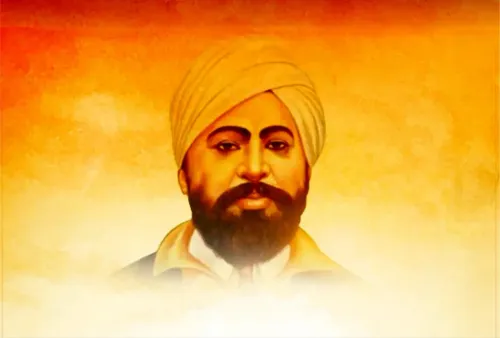
Born on 26 December 1899 in Punjab, Udham Singh witnessed the Jallianwala Bagh massacre of 1919, in which hundreds of unarmed civilians were killed under orders linked to British Punjab Lieutenant Governor Michael O'Dwyer. Decades later, on 13 March 1940, Singh shot and killed O'Dwyer at a public meeting in London, an act he described as retribution for the massacre. He was hanged at Pentonville Prison, London, on 31 July 1940, and has since been revered as one of India's most iconic revolutionary martyrs.
Why the Anniversary Matters
Singh's martyrdom day is observed annually across India, particularly in Punjab, where he holds a place of deep veneration. This year's tributes — spanning the Prime Minister, two senior Cabinet ministers, and multiple chief ministers — reflect the continued political and cultural resonance of his legacy. Notably, his act of vengeance, carried out on foreign soil more than two decades after the massacre, remains one of the most dramatic episodes of India's independence movement.
Point of View
Home Minister, Defence Minister, and state chief ministers — underscores how Udham Singh has been absorbed into the mainstream national narrative, transcending his originally radical, anti-colonial framing. What is less often examined is the complexity of his act: Singh waited over two decades, organised through the Ghadar Party diaspora network, and struck on British soil — a degree of strategic patience that sits uneasily with the 'spontaneous martyr' image. His legacy also raises a question mainstream coverage sidesteps: how India memorialises political violence when the target was a colonial oppressor. That question, left unresolved, is precisely what keeps Singh's story alive and contested.
NationPress
14 Sept 2026
Frequently Asked Questions
Who was Udham Singh and why is he remembered?
Udham Singh was a Punjabi revolutionary freedom fighter born on 26 December 1899 who avenged the 1919 Jallianwala Bagh massacre by assassinating British official Michael O'Dwyer in London on 13 March 1940. He was hanged at Pentonville Prison on 31 July 1940 and is revered as one of India's most iconic martyrs of the independence movement.
What did PM Modi say on Udham Singh's martyrdom day?
PM Modi posted a tribute on social media platform X, calling Singh a 'great revolutionary martyr' and saying his 'life story full of courage will continue to inspire every generation of the country to protect the self-respect of the motherland.'
What was the Jallianwala Bagh massacre?
The Jallianwala Bagh massacre took place on 13 April 1919 in Amritsar, Punjab, when British Indian Army troops fired on a large unarmed gathering, killing hundreds of civilians. The event became a defining atrocity of British colonial rule in India and directly shaped Udham Singh's resolve to seek retribution.
What role did Udham Singh play in the Ghadar Party?
According to Home Minister Amit Shah, Udham Singh played a pivotal role in the Ghadar Party, an organisation of Indian diaspora members that worked to ignite the spirit of freedom among Indians living abroad, particularly in the United Kingdom and North America.
Who paid tribute to Udham Singh on 31 July 2025?
Prime Minister Narendra Modi, Home Minister Amit Shah, Defence Minister Rajnath Singh, Delhi Chief Minister Rekha Gupta, and Uttar Pradesh Chief Minister Yogi Adityanath all paid tribute to Shaheed Udham Singh on his martyrdom anniversary on 31 July.