Swine flu spike in India: ICMR chief says most H1N1 cases mild, expects surge to ease
Synopsis
India's top medical research body says the swine flu surge sweeping several cities is predominantly mild — and expects it to peak and recede within weeks. With H1N1, H3N2, and Influenza B all in simultaneous circulation, the ICMR chief's message is calibrated: stay cautious, not panicked.
Key Takeaways
ICMR Director General Dr Rajiv Bahl on 25 August confirmed a spike in Influenza A (H1N1) cases across several Indian cities.
He described the majority of cases as 'mild and self-limiting,' with no serious cases detected so far.
Three strains are currently in circulation: H1N1 , H3N2 , and Influenza B (Victoria lineage) , all carrying similar symptoms.
A limited number of Covid cases are also being reported but are reportedly subsiding.
High-risk groups — elderly , pregnant women , immunocompromised individuals — are advised to consult doctors about flu vaccination.
The ICMR expects case numbers to begin declining within the next few weeks .
The Indian Council of Medical Research (ICMR) Director General Dr Rajiv Bahl on Tuesday, 25 August said that the ongoing spike in Influenza A (H1N1) — commonly known as swine flu — across several Indian cities is largely mild in nature and does not warrant widespread alarm. Speaking to reporters in New Delhi, Dr Bahl expressed hope that case numbers would begin declining within the next few weeks.
What ICMR Said About the Current Outbreak
Dr Bahl described H1N1 as a seasonal flu strain, noting that a large proportion of current respiratory illness cases are being attributed to it. 'H1N1 is a seasonal flu, what we commonly refer to as cough and cold, and at present, a large proportion of these cases are being attributed to the H1N1 virus, which is a type of Influenza A virus,' he said.
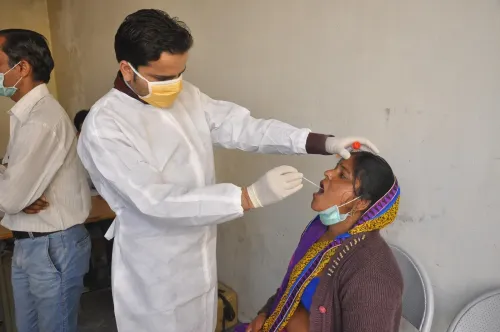
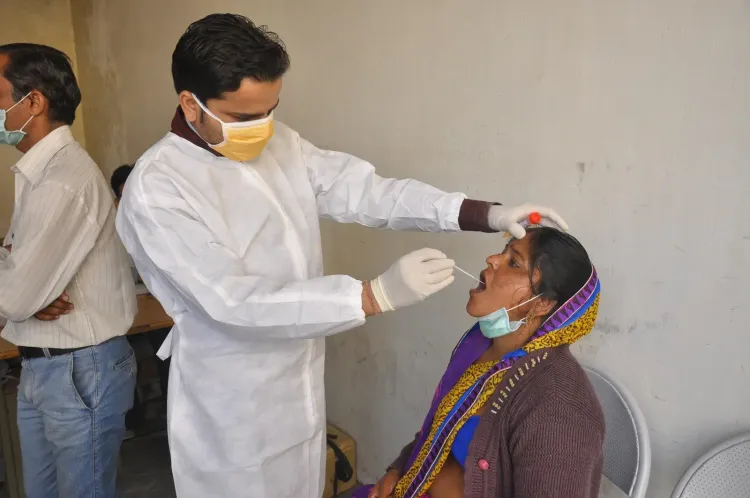
He was emphatic that the critical takeaway is that 'the majority of cases are very mild and self-limiting.' He added that routine testing is unnecessary for most people: 'There is no need for concern, nor is there any need for everyone to undergo testing to identify exactly which virus is causing their cough or cold. Testing is useful when the result would have an impact on treatment.'
Strains in Circulation and Covid Overlap
The ICMR chief identified three influenza strains currently detected in patients: Influenza A (H1N1), H3N2, and Influenza B (Victoria lineage). He noted that all three carry similar symptoms, making clinical differentiation difficult without laboratory testing.
Dr Bahl also acknowledged a limited co-circulation of Covid cases. 'Apart from this, a few Covid cases are also there... which have now started to subside,' he said, adding that no serious case has been detected so far across any of these infections.
Guidance for the Public: What to Do If You Fall Ill
For those experiencing flu symptoms — cough, cold, or fever — Dr Bahl recommended adequate fluid intake, a proper diet, and sufficient rest. He advised patients to 'avoid close contact with others, particularly while symptomatic,' and to cover the mouth and nose when coughing or sneezing, and wash hands frequently.
For those who are not sick, the ICMR chief stressed good hand hygiene and regular cleaning of surfaces that may have been touched by someone unwell. 'Maintaining some distance from people with respiratory symptoms helps prevent transmission,' he said.
When to Seek Hospital Care
Dr Bahl drew a clear line between manageable symptoms and medical emergencies. 'If you develop difficulty in breathing, chest pain, or any other serious symptoms, you should definitely seek medical attention at a hospital,' he said. He emphasised that outside of these warning signs, 'we are not seeing any indication that this is a particularly severe illness at present.'
He noted that seasonal fluctuations in flu cases occur every year and, by themselves, are not cause for concern. High-risk groups — including the elderly, pregnant women, and immunocompromised individuals — were advised to consult their doctors about whether a flu shot is appropriate for them.
Outlook: When Will the Surge Peak?
The ICMR DG acknowledged the difficulty of predicting the exact trajectory of an outbreak but remained cautiously optimistic. 'Every outbreak reaches a peak, after which it begins to subside. Though it is not possible to predict the slowing down of an outbreak, we are hopeful that within the next few weeks the cases will begin to come down,' he said. This comes amid a pattern of annual monsoon-season respiratory surges that health authorities have tracked consistently in recent years.
Point of View
However, is whether the simultaneous circulation of H1N1, H3N2, and Influenza B — alongside residual Covid — strains district-level health infrastructure in states with weaker surveillance capacity. The reassurance is credible for urban, well-resourced populations; the risk calculus looks different in rural areas where 'seek hospital care if symptoms worsen' is easier said than done. A surge that is mild in aggregate can still be locally severe where access is thin.
NationPress
9 Oct 2026
Frequently Asked Questions
Is the swine flu spike in India dangerous?
According to ICMR Director General Dr Rajiv Bahl, the majority of current H1N1 cases in India are mild and self-limiting. No serious cases have been detected so far, and the surge is expected to subside within the next few weeks.
What are the symptoms of H1N1 swine flu?
H1N1 swine flu presents with symptoms similar to common cough, cold, and fever — the same as other circulating strains like H3N2 and Influenza B (Victoria lineage). Difficulty in breathing or chest pain are warning signs that require immediate hospital attention.
Who is at higher risk from the current flu surge?
The elderly, pregnant women, and immunocompromised individuals face a greater risk of complications from influenza. The ICMR has advised these groups to consult their doctors about whether a flu shot is appropriate for them.
Do I need to get tested for swine flu?
The ICMR advises that routine testing is not necessary for most people with mild cold or flu symptoms. Testing is recommended only when the result would directly influence treatment decisions.
What precautions should I take during the swine flu spike?
The ICMR recommends staying hydrated, eating well, and resting if symptomatic. Avoid close contact with others, cover your mouth and nose when coughing or sneezing, wash hands frequently, and maintain distance from people showing respiratory symptoms.