Safdarjung Hospital Delhi fully equipped for H1N1, seasonal flu cases
Synopsis
Safdarjung Hospital has publicly confirmed it is fully equipped to handle H1N1 and seasonal flu cases in Delhi — a signal that health authorities are taking the seasonal influenza uptick seriously. With fast-tracking of symptomatic patients already underway, the capital's largest public hospital is on active alert.
Key Takeaways
Safdarjung Hospital , New Delhi , has confirmed full preparedness to manage H1N1 swine flu and other seasonal influenza cases.
Patients with influenza-like symptoms are being fast-tracked for assessment and treatment per clinical guidelines.
H1N1 has been a circulating seasonal influenza strain since the 2009 pandemic .
High-risk groups include older adults , young children , pregnant women , and those with underlying conditions.
Seasonal influenza vaccination is recommended, particularly for high-risk individuals.
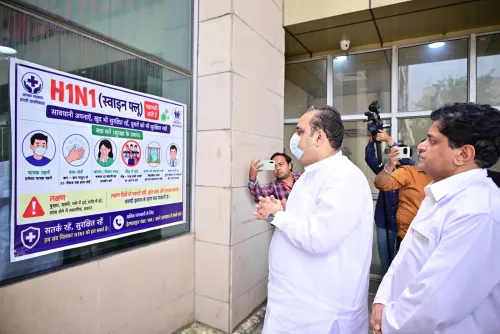
Safdarjung Hospital in New Delhi has confirmed it is fully prepared to manage patients with H1N1 influenza (swine flu) and other seasonal illnesses, with adequate medicines, treatment infrastructure, and supportive care in place. The hospital's statement comes amid heightened attention on influenza-like illness cases across the capital.
Hospital's Preparedness
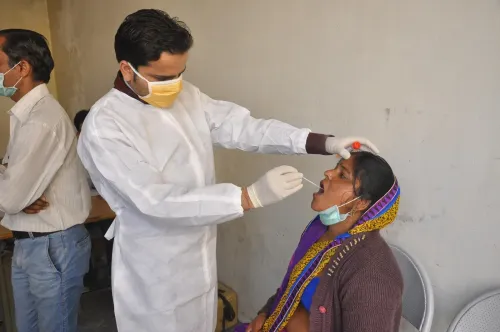
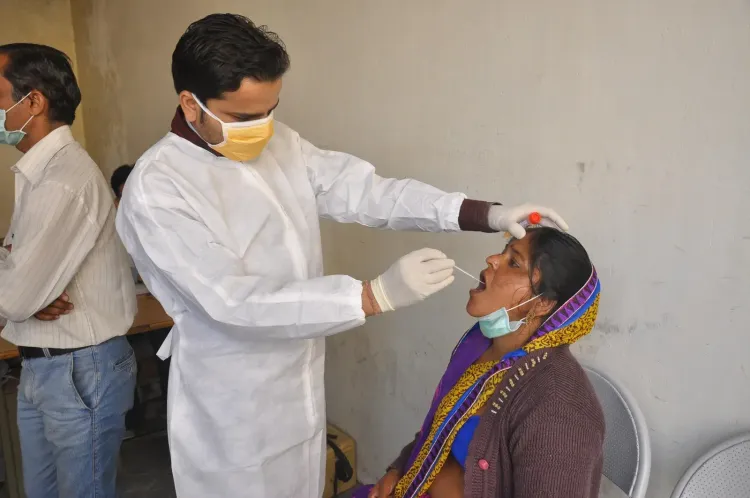
According to an official statement from the hospital, patients presenting with influenza-like symptoms are being appropriately assessed and fast-tracked for timely medical attention. Treatment is being administered in line with individual clinical requirements and prevailing medical guidelines.
'The hospital is fully equipped to manage cases of swine flu and other seasonal illnesses, with necessary medicines, treatment facilities and supportive care available,' the hospital stated. It added that monitoring of such cases is ongoing and that adequate arrangements are in place for their management.
Why This Matters Now
The statement follows a period of increased vigilance among health authorities and hospitals in Delhi over influenza-like illness reports, particularly among patients experiencing breathing difficulties or other complications requiring prompt intervention. Safdarjung's emphasis, officials noted, remains on early assessment, timely treatment, and continued monitoring.
Notably, this is not an isolated response — hospitals across India typically heighten influenza surveillance during the post-monsoon season, when respiratory infections tend to spike.
What Is H1N1
H1N1 is a subtype of the influenza A virus responsible for respiratory infections. It gained global attention as 'swine flu' during the 2009 influenza pandemic and has since become a circulating strain within seasonal influenza. Common symptoms include fever, cough, sore throat, headache, body aches, fatigue, and nasal congestion. Most people recover within several days to a week.
However, complications can arise — particularly among older adults, young children, pregnant women, and individuals with underlying health conditions. Severe respiratory symptoms, persistent high fever, breathing difficulty, chest discomfort, or a rapidly worsening condition warrant prompt medical evaluation.
Prevention and Transmission
Influenza spreads primarily through respiratory droplets released when an infected person coughs, sneezes, or speaks. Maintaining good hand hygiene, covering coughs and sneezes, and avoiding close contact with unwell individuals can help limit transmission.
Seasonal influenza vaccination remains an important preventive measure, especially for those at higher risk of complications. Health authorities continue to recommend vaccination ahead of peak influenza season.
What to Watch
With seasonal illnesses rising in Delhi, residents experiencing severe or worsening influenza-like symptoms are advised to seek timely medical evaluation rather than managing symptoms at home. Safdarjung Hospital's confirmed readiness signals that the capital's public health infrastructure is on alert and monitoring the situation closely.
Point of View
And Safdarjung's public communication is as much about managing panic as it is about managing patients. What the statement does not address is the actual case count or severity trend, which would give residents a clearer picture of risk. Transparency on surveillance data — not just infrastructure readiness — is what public health communication should aim for.
NationPress
8 Oct 2026
Frequently Asked Questions
Is Safdarjung Hospital in Delhi equipped to treat H1N1 swine flu?
Yes. Safdarjung Hospital has confirmed it is fully equipped to manage H1N1 swine flu and other seasonal illnesses, with necessary medicines, treatment facilities, and supportive care available. Patients with influenza-like symptoms are being fast-tracked for timely medical attention.
What are the symptoms of H1N1 swine flu?
Common H1N1 symptoms include fever, cough, sore throat, headache, body aches, fatigue, and a runny or blocked nose. Most people recover within several days to a week, but severe symptoms such as breathing difficulty, persistent high fever, or chest discomfort require prompt medical evaluation.
Who is most at risk from H1N1 influenza complications?
Older adults, young children, pregnant women, and individuals with underlying health conditions face a higher risk of serious complications from H1N1 influenza. These groups are especially advised to seek early medical attention if symptoms worsen.
How does H1N1 influenza spread?
H1N1 spreads mainly through respiratory droplets released when an infected person coughs, sneezes, or talks. Good hand hygiene, covering coughs and sneezes, and avoiding close contact with unwell individuals can help reduce transmission.
Is there a vaccine for H1N1 swine flu?
Seasonal influenza vaccination, which typically covers H1N1 strains, is available and recommended — particularly for high-risk groups. Health authorities advise vaccination ahead of peak influenza season as the most effective preventive measure.