Jharkhand on H1N1 alert: 10 beds reserved, surveillance tightened

Synopsis
Jharkhand has moved swiftly on H1N1, reserving dedicated beds at RIMS Ranchi and district hospitals, deploying surveillance at airports and bus stands, and ordering round-the-clock monitoring of ILI and SARI cases — a textbook early-response activation that most states trigger only after community spread is confirmed.
Key Takeaways
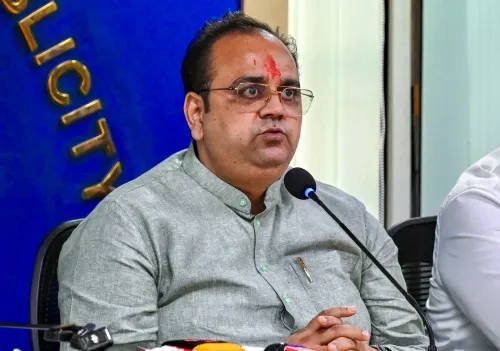
Jharkhand Health Minister Irfan Ansari reviewed H1N1 preparedness on 29 August and issued state-wide directives.
RIMS Ranchi , all medical college hospitals, and Sadar hospitals must keep an additional 10 beds reserved for H1N1 patients.
Hospitals are required to ensure ICU and HDU readiness , oxygen supplies, testing facilities, and trained staff.
Surveillance has been heightened at airports, railway stations, and bus stands across the state.
District officers must report any significant H1N1 developments to the Health Department immediately.
Citizens with fever, cough, sore throat, or breathing difficulties are advised to seek clinical assessment promptly.
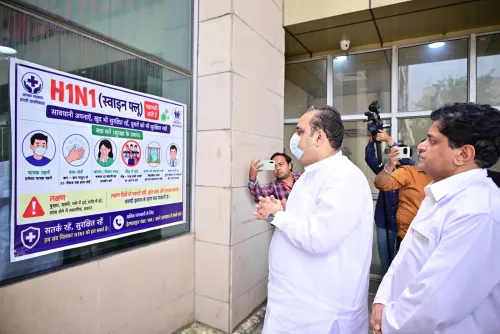
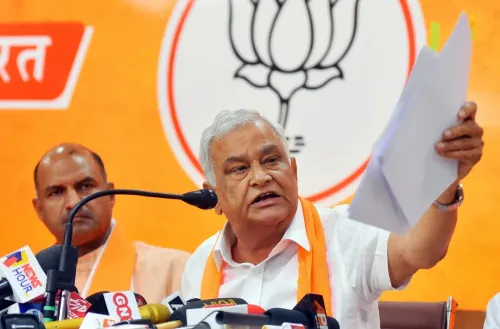
The Jharkhand Health Department has placed the entire state on high alert over the spread of H1N1 influenza, commonly known as swine flu, with Health Minister Irfan Ansari on Saturday, 29 August conducting a comprehensive review of preparedness across all districts. The state has directed hospitals to reserve dedicated beds and strengthened surveillance at public transit hubs as part of a multi-level containment strategy.
Key Directives Issued
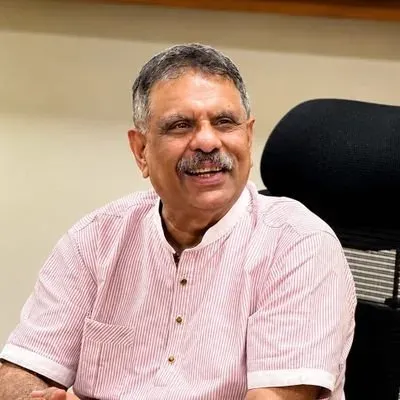
Minister Ansari instructed all civil surgeons, medical college superintendents and principals, and district surveillance officers to maintain strict and continuous vigilance. Authorities were directed to prioritise early identification, testing, treatment, monitoring, and timely referral of suspected and serious H1N1 cases. The minister held detailed discussions with Additional Chief Secretary Ajoy Kumar and senior health officials alongside civil surgeons from multiple districts to assess ground-level preparedness.
Hospital Bed Reserves and Infrastructure
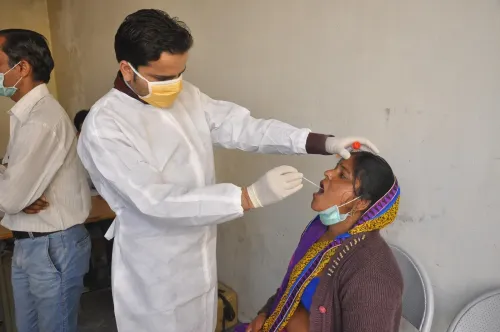
The government has directed RIMS Ranchi, all medical college hospitals, and Sadar hospitals to keep an additional 10 beds reserved exclusively for potential H1N1 patients. Hospitals have been instructed to ensure adequate stocks of oxygen supplies, essential medicines, and medical equipment, along with functional ICU and HDU units, testing facilities, and trained doctors and paramedical staff on standby.
Surveillance at Public Places
The Health Department has been specifically directed to maintain heightened vigilance at airports, railway stations, bus stands, and other major public gathering points across Jharkhand. District surveillance officers have been asked to report any significant developments to the department immediately, without delay. This comes amid broader national concern over seasonal influenza activity, making Jharkhand's proactive posture notable.
Symptoms and Public Advisory
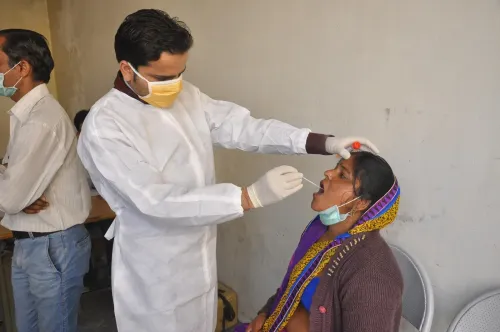
Residents showing symptoms including fever, cough, sore throat, cold, or breathing difficulties may undergo clinical assessment as advised by healthcare providers. Influenza and H1N1 testing will be conducted on the basis of medical advice, while patients with serious symptoms will be referred for immediate treatment. Minister Ansari appealed to citizens not to panic but to remain alert and seek timely medical attention. “Our commitment is that no person should lose their life to swine flu,” he said.
Strengthening ILI and SARI Reporting
All districts have been directed to reinforce surveillance and reporting of Influenza-Like Illness (ILI) and Severe Acute Respiratory Infection (SARI) cases. The state government has asserted it is fully prepared to handle any escalation in H1N1 cases, with systems reportedly strengthened at every administrative level. With monsoon season typically amplifying respiratory illness transmission, the coming weeks will be critical in assessing whether the state’s early-response measures hold.
Point of View
Not after. That sequencing matters. Most state health systems react to H1N1 spikes reactively, when hospital capacity is already under pressure. The directive to tie ICU and HDU readiness to district-level reporting closes a gap that has historically caused avoidable fatalities during seasonal influenza surges. What remains unaddressed publicly is the current case count and positivity rate — without that data, it is difficult to assess whether this mobilisation is proportionate or precautionary. Transparency on case numbers would strengthen public trust and help calibrate the response.
NationPress
13 Oct 2026
Frequently Asked Questions
Why is Jharkhand on high alert for swine flu?
The Jharkhand Health Department activated a state-wide H1N1 alert following a review by Health Minister Irfan Ansari on 29 August. The department has directed all districts to strengthen surveillance and hospital preparedness as a precautionary measure against swine flu spread.
How many beds have been reserved for H1N1 patients in Jharkhand?
The state government has directed RIMS Ranchi, all medical college hospitals, and Sadar hospitals to keep an additional 10 beds each reserved for potential H1N1 patients, along with ICU and HDU readiness.
What symptoms should Jharkhand residents watch for?
Residents should watch for fever, cough, sore throat, cold, or breathing difficulties. Those experiencing these symptoms are advised to seek clinical assessment; H1N1 testing will be conducted based on medical advice.
Where has the government deployed special surveillance?
The Health Department has been directed to maintain heightened vigilance at airports, railway stations, bus stands, and other major public places across Jharkhand to detect and contain potential H1N1 cases early.
Who is overseeing Jharkhand’s H1N1 response?
Health Minister Irfan Ansari is leading the response, supported by Additional Chief Secretary Ajoy Kumar and senior health officials. Civil surgeons, medical college superintendents, and district surveillance officers have all been brought under a unified monitoring framework.