Is Illegal Mining a Threat to Nature and Human Rights in Haryana?

Synopsis
The Haryana Human Rights Commission has taken decisive action against illegal mining activities in Panchkula, highlighting their detrimental effects on the environment and human rights. This article explores the commission's findings and the urgent measures required to address these violations.
Key Takeaways
Illegal mining threatens environmental health.
Human rights violations are linked to mining activities.
Government accountability is essential for enforcement.
Immediate action is required to protect ecosystems.
Regular monitoring can prevent further violations.
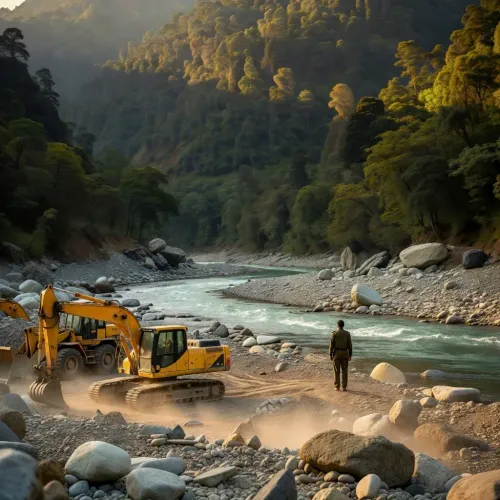
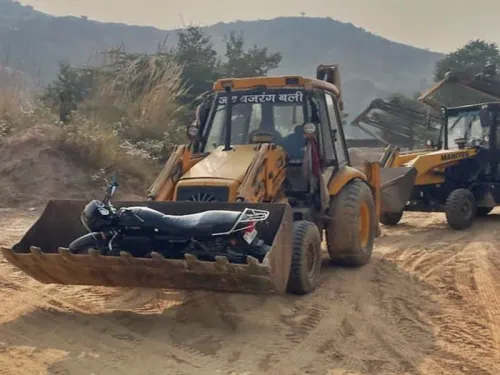
Chandigarh, Dec 18 (NationPress) The Haryana Human Rights Commission has taken a serious stance against the rampant illegal mining and significant environmental breaches occurring in the Panchkula district. On Thursday, the commission issued strict directives regarding these issues.
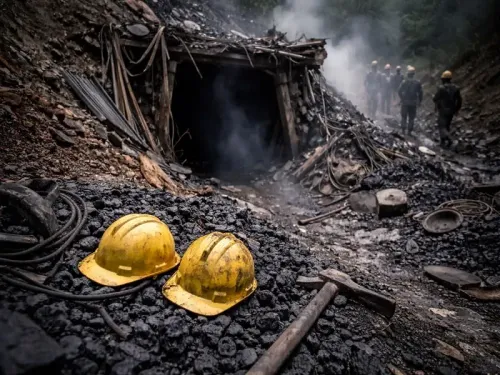
It emphasized that illegal mining not only harms the environment but also represents a direct infringement on the citizens' rights to health, life, and human dignity.
Following a comprehensive review of reports concerning illegal mining activities along the Pinjore-Nalagarh Road, Mallah Road, Raipur Rani, Morni, Barwala, and Chandimandir regions, the commission's full bench, consisting of Chairperson Justice (retd) Lalit Batra, and members Kuldip Jain and Deep Bhatia, expressed their dissatisfaction with the operation of the Haryana State Pollution Control Board (HSPCB).
The commission noted widespread breaches of essential environmental regulations at stone crushers, screening plants, brick-kilns, and mining units.
In line with the commission's mandate, a detailed action report dated November 12 was provided by the HSPCB Regional Officer for the Panchkula area.
Upon review of this report, the commission remarked that despite repeated instructions, the Regional Officer had neglected to perform regular random visits, unannounced inspections, and ongoing monitoring.
The commission particularly pointed out that numerous units had failed to establish the required double-row green belt, which is crucial for combating dust and air pollution.
Deficiencies were also identified in fundamental provisions like water sprinklers, smog guns, wind-breaking walls, re-circulation tanks, paved internal roads, and ambient air quality monitoring systems.
In addition, the commission found that several units lacked proper maintenance of re-circulation tanks, logbooks for wastewater management and recycling, adequate barricades, vehicular ramps, wind-breaking structures, sufficient water sprinklers, smog guns, durable roads, and ambient air quality monitoring stations, allowing untreated wastewater to be discharged improperly.
Inspections were primarily reactive, typically conducted only after show-cause notices were issued.
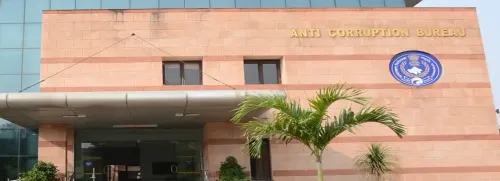
The commission has mandated the Forest and Wildlife Department, the Department of Mines and Geology, the Haryana State Enforcement Bureau, and the Commissioner of Police of Panchkula to submit comprehensive compliance reports prior to the next hearing scheduled for February 26, 2026.
Point of View
It is imperative to recognize that the ongoing illegal mining practices in Haryana pose a dual threat: to our environment and to fundamental human rights. The Haryana Human Rights Commission's actions shed light on the urgent need for accountability and stricter regulation to protect both our natural resources and the rights of our citizens.
NationPress
19 Sept 2026
Frequently Asked Questions
What are the environmental impacts of illegal mining?
Illegal mining leads to severe environmental degradation, including deforestation, soil erosion, and water pollution, which ultimately threaten ecosystems and biodiversity.
How does illegal mining violate human rights?
Illegal mining can infringe on citizens' rights to health, life, and dignity by exposing them to hazardous conditions and compromising their living environments.
What actions is the Haryana Human Rights Commission taking?
The commission has issued strict directives for compliance, demanding reports and regular inspections to address illegal mining activities and their repercussions.
What are the roles of local departments in this issue?
Local departments, including the Forest and Wildlife Department and the Department of Mines and Geology, are tasked with ensuring compliance and monitoring mining activities effectively.
When is the next hearing on this matter?
The next hearing is scheduled for February 26, 2026, where compliance reports will be reviewed.