IMA opposes doctors at Sagar liquor shops, seeks order rollback
Synopsis
Madhya Pradesh's doctors are pushing back against an unusual order: screening liquor buyers at the shop counter. The IMA says Sagar's drive, launched after the Banda spurious liquor deaths, pulls doctors from overcrowded hospitals and puts female health workers at risk. It argues the real fix lies with excise and police enforcement against illicit liquor networks.
Key Takeaways
The IMA's Madhya Pradesh State Branch has sought immediate withdrawal of an order deploying government doctors outside liquor shops in Sagar district .
The letter was sent to Deputy CM Rajendra Shukla , who holds the Public Health and Medical Education portfolio.
The IMA cited heavy patient loads, staff shortages and safety risks to female healthcare workers .
The screening drive began after deaths in a suspected spurious liquor tragedy in Banda , Sagar, in September .
The IMA wants Excise and Police enforcement against illegal liquor networks and stronger Nasha Mukti Kendras .
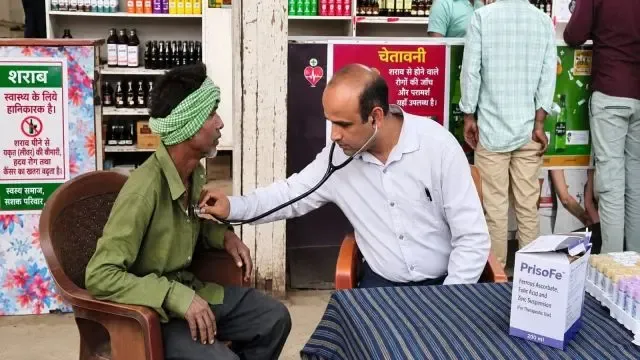
The Indian Medical Association (IMA)'s Madhya Pradesh State Branch has demanded the immediate withdrawal of an order by the Sagar district administration that deploys government doctors outside liquor shops to carry out health screenings and blood tests on customers. In a letter to Deputy Chief Minister Rajendra Shukla, the doctors' body called the arrangement impractical. It warned that the deployment would hurt routine patient care and compromise the dignity and safety of medical professionals.
The objection, made public on 27 November, sets up a direct clash between the medical fraternity and district authorities. The screening drive was launched after a suspected spurious liquor tragedy in Sagar district earlier this year.
Why the IMA Opposes the Order
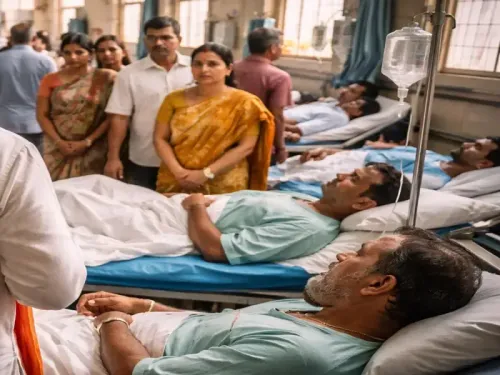
The association's letter was addressed to Shukla, who also holds the Public Health and Medical Education portfolio. It said government hospitals and primary health centres are already struggling with heavy patient loads and staff shortages.
Moving doctors to liquor outlets, the IMA argued, would deprive patients of timely medical attention at a time when public health facilities are already stretched.
The association also questioned whether screenings at liquor outlets would work at all. It said alcohol dependence needs structured clinical intervention, psychiatric support and dedicated rehabilitation facilities, not checks conducted at the point of sale.
Safety Concerns for Female Health Workers
A central part of the IMA's objection concerns the safety of medical staff, particularly women, posted outside liquor shops. The association cited the possibility of unruly behaviour and verbal abuse.
“Posting medical personnel outside liquor shops exposes them—especially female healthcare workers—to unruly behaviour, verbal abuse, and unsafe working conditions,” the IMA said in its letter.
Safety of healthcare workers has been a recurring concern for medical bodies across India. Associations have repeatedly flagged risks faced by doctors and nurses working in high-pressure or unprotected settings.
Enforcement, Not Screening, Says IMA
The association also argued that responsibility for preventing deaths from illicit liquor lies elsewhere. It said the Excise and Police departments should break up illegal manufacturing networks rather than shifting the burden to healthcare professionals.
“Tackling spurious liquor tragedies requires strict enforcement by the Excise and Police departments to dismantle illegal manufacturing networks, rather than placing the burden of screening buyers on healthcare professionals,” the letter said.
Notably, the IMA said it supports genuine public health initiatives to curb addiction. It added that medical screening and rehabilitation should be carried out through established healthcare facilities, not makeshift arrangements outside liquor outlets.
Background: The Banda Liquor Tragedy
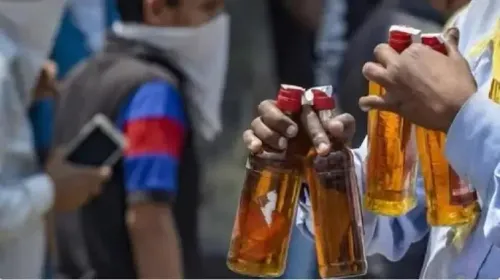
The district administration introduced the screening initiative after deaths in a suspected spurious liquor tragedy in the Banda area of Sagar district in September. According to the administration, the drive aims to identify habitual drinkers, conduct health examinations and counsel them against drinking alcohol.
What the IMA Wants Next
The association has urged Shukla to order the immediate withdrawal of all medical teams posted outside liquor shops in Sagar. It wants doctors used for clinical services and structured de-addiction programmes instead.
It has also called for stronger Nasha Mukti Kendras (de-addiction centres) at district and block hospitals, so that people struggling with alcoholism can get medical and psychological support.
The Deputy Chief Minister's response will now decide whether Sagar keeps its unusual screening model or shifts to a hospital-based de-addiction approach.
Point of View
Not because buyers go unscreened. Sending doctors from understaffed hospitals to shop counters treats a policing failure as a medical problem. If Madhya Pradesh is serious about addiction, the investment belongs in functioning de-addiction centres and enforcement, not makeshift kiosks.
NationPress
27 Nov 2026
Frequently Asked Questions
Why is the IMA opposing doctors' deployment outside liquor shops in Sagar?
The IMA says the deployment is impractical and diverts doctors from hospitals already facing heavy patient loads and staff shortages. It also says the posting compromises the dignity and safety of medical professionals, especially female healthcare workers.
Why did Sagar district deploy doctors outside liquor shops?
The district administration launched the screening drive after deaths in a suspected spurious liquor tragedy in the Banda area of Sagar district in September. The drive aims to identify habitual drinkers, conduct health check-ups and counsel them against alcohol use.
Who did the IMA write to about the Sagar order?
The IMA wrote to Madhya Pradesh Deputy Chief Minister Rajendra Shukla, who also holds the Public Health and Medical Education portfolio. It urged him to order the immediate withdrawal of all medical teams posted outside liquor shops in Sagar.
What alternative has the IMA suggested?
The IMA wants doctors used for clinical services and structured de-addiction programmes, and wants Nasha Mukti Kendras strengthened at district and block hospitals. It also says the Excise and Police departments should dismantle illegal liquor manufacturing networks.