Harsh Sanghavi tries diamond polishing, joins bhajan in Kawant
Synopsis
Gujarat Deputy CM Harsh Sanghavi sat at a diamond polishing machine in tribal Kawant and called the industry a source of jobs close to home. Later, in addiction-free Bekhadiya village, he sang 'Om Namah Shivay' with villagers and linked devotion to staying away from addiction.
Key Takeaways
Gujarat Deputy CM Harsh Sanghavi visited a diamond polishing unit in Kawant taluka , Chhota Udepur , on 28 November 2026 .
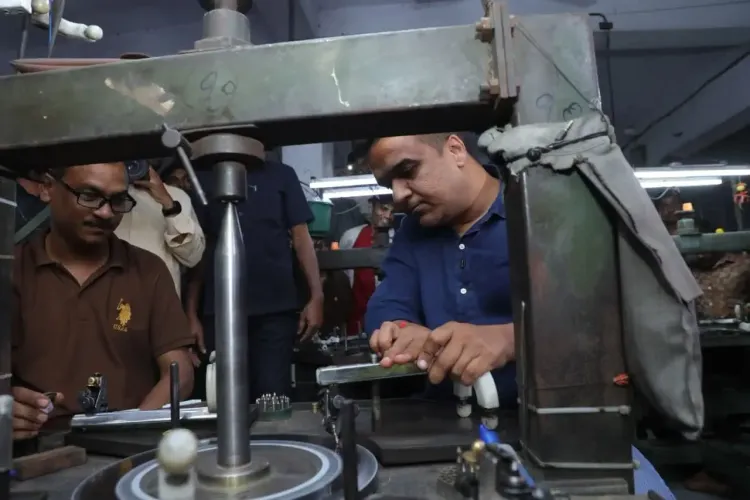
He tried diamond polishing and spoke with artisans about their work, earnings and workplace facilities.
Sanghavi said the diamond industry gives young people in remote tribal areas livelihoods close to their homes .
He shared a traditional meal at local leader Milanbhai Rathwa 's home in Bekhadiya village , recognised as addiction-free.
He sang 'Om Namah Shivay' at a bhajan gathering and praised the village for staying addiction-free.
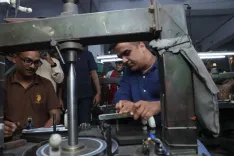
Gujarat Deputy Chief Minister Harsh Sanghavi on Saturday, 28 November 2026, visited a diamond polishing unit in Kawant taluka of Chhota Udepur district. He spoke with local artisans and sat at a polishing machine himself. Later in the day, he shared a traditional meal and joined a community bhajan gathering in Bekhadiya village, a village recognised as addiction-free.
Both stops were part of the Deputy Chief Minister's outreach in the tribal belt of eastern Gujarat. He used them to highlight local livelihoods, traditional food and cultural practices.
At the Diamond Polishing Unit
At the factory in Kawant, Sanghavi asked the artisans about their working methods, daily routines and earnings. He also asked about the facilities available at their workplace.
He then sat at a diamond polishing machine beside the workers. They walked him through the process of diamond faceting and polishing.
Praising the artisans' craftsmanship and hard work, Sanghavi said: “The diamond industry is providing young people in remote and tribal areas such as Kawant with opportunities to earn a livelihood close to their homes.” He also congratulated the factory management and artisans for their contribution to local employment.
Why Small-Scale Units Matter in the Tribal Belt
The visit drew attention to the role of small-scale industries in creating jobs in Gujarat's tribal regions. Sanghavi's remarks pointed to a specific benefit: work available close to home.
For districts such as Chhota Udepur, a local unit can mean young people do not have to move to distant urban centres to earn a living. Gujarat's diamond trade has largely been associated with major cutting and polishing hubs elsewhere in the state. A unit in a remote taluka like Kawant therefore reflects a smaller, decentralised model of employment.
Traditional Meal in Bekhadiya Village
Later, on what was described as the second day of his Chhota Udepur visit, Sanghavi went to the residence of local leader Milanbhai Rathwa in Bekhadiya village of Kawant taluka. There he shared a traditional meal with the family and other local leaders.
He also met members of the tribal community over the meal. The spread featured regional preparations, including:
- dhebra and maize rotla
- a mixed vegetable dish of brinjal, potatoes and pigeon pea seeds
- fenugreek with pigeon pea seeds
- cauliflower with pigeon pea seeds
- red rice and dal
- kodri-based dishes
Freshly prepared bhajiyas, papad and puri were also served.
Bhajan Gathering and Addiction-Free Message
After the meal, the Deputy Chief Minister joined a traditional bhajan gathering organised by the community. He sang the devotional hymn 'Om Namah Shivay' with the villagers and the bhajan mandali, and also tried playing the drum.
Addressing the gathering, Sanghavi praised the villagers for keeping their community addiction-free. He said, “A person connected with bhajans and devotion never needs to resort to addiction.”
Bekhadiya's addiction-free status gave the evening a clear social message. Sanghavi linked cultural and devotional traditions to community efforts against substance abuse.
What It Signals
The two engagements, one focused on jobs and the other on culture, show how the Gujarat government is presenting its outreach in tribal districts.
Whether the Kawant model of local employment is expanded to other parts of the tribal belt will be watched closely in the months ahead.
Point of View
But the underlying point deserves scrutiny. If diamond polishing units can really keep tribal youth employed near home, the state should publish how many such units exist in districts like Chhota Udepur, how many jobs they sustain and what they pay. Gujarat's diamond sector has been exposed to global demand swings, and a jobs model that depends on it carries real risk. Bekhadiya's addiction-free status is a genuine grassroots achievement, and it deserves policy support beyond praise at a bhajan.
NationPress
29 Nov 2026
Frequently Asked Questions
Why did Harsh Sanghavi visit Chhota Udepur?
Gujarat Deputy Chief Minister Harsh Sanghavi visited Chhota Udepur as part of outreach in the tribal belt. His engagements focused on local livelihoods, traditional food and cultural practices.
What did Harsh Sanghavi say about the diamond industry in Kawant?
He said the diamond industry is providing young people in remote and tribal areas such as Kawant with opportunities to earn a livelihood close to their homes. He also congratulated the factory management and artisans for their contribution to local employment.
What is special about Bekhadiya village?
Bekhadiya village in Kawant taluka is recognised as an addiction-free village. Sanghavi praised the villagers for maintaining this and said a person connected with bhajans and devotion never needs to resort to addiction.
What food was served to Harsh Sanghavi in Bekhadiya?
He was served traditional local dishes, including dhebra, maize rotla, red rice and dal, kodri-based dishes and several vegetable preparations with pigeon pea seeds. Bhajiyas, papad and puri were also served.
Whose home did Harsh Sanghavi visit in Bekhadiya?
He visited the residence of local leader Milanbhai Rathwa in Bekhadiya village. There he shared a traditional meal with the family and other local leaders.