Mitra Shakti 2026 ends: India, Sri Lanka drill on drones, ISR
Synopsis
Mitra Shakti's 12th edition went beyond ambushes and patrols. Indian and Sri Lankan troops traded know-how on drones and ISR at Maduru Oya, signalling that even counter-terror drills between neighbours are now built around surveillance tech. It is a quiet but telling marker of India's defence ties with Colombo.
Key Takeaways
The 12th edition of Mitra Shakti 2026 ran from 13 to 26 November at the Army Training School, Maduru Oya , Sri Lanka.
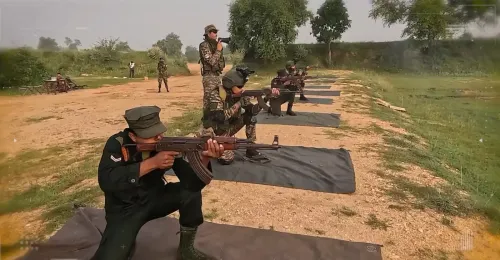
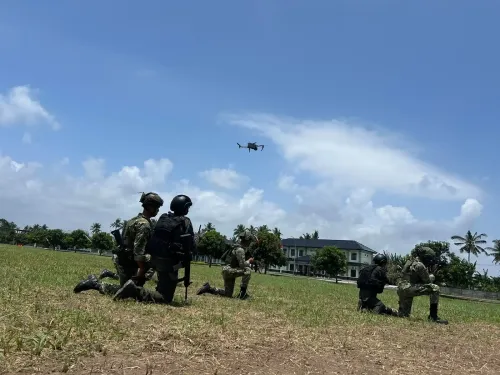
Training covered area ambushes, urban patrolling, convoy protection, crowd control and attack on a fortified area, plus exchanges on drones and ISR .
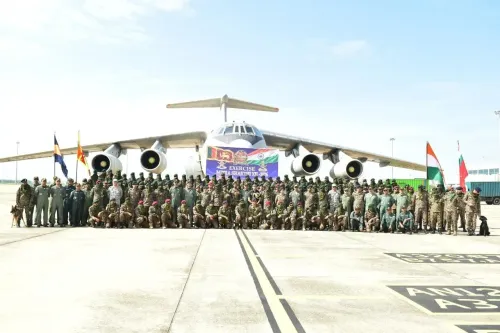
India fielded 19 Officers and 150 Other Ranks ; Sri Lanka fielded 17 Officers and 153 Other Ranks .
Major General W.M.N.K.D.
Bandara was Chief Guest; Brigadier A.S.
Bains led the Indian delegation.
The exercise began in 2012 and alternates between the two countries; the 11th edition was held in Belagavi , Karnataka.
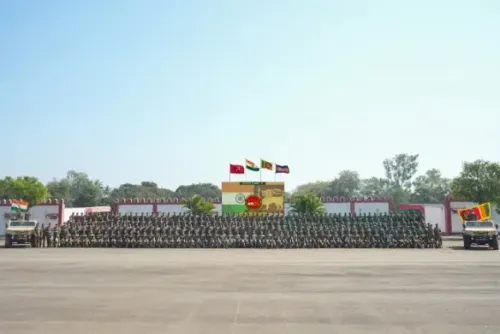
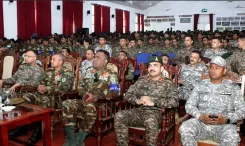
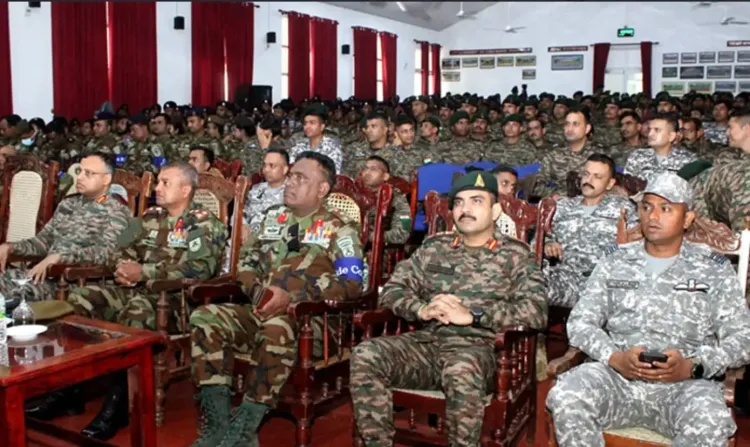
The 12th edition of the India-Sri Lanka joint military exercise Mitra Shakti 2026 has concluded at the Army Training School in Maduru Oya, Sri Lanka. The two-week drill focused on counter-terror operations, drones and Intelligence, Surveillance and Reconnaissance (ISR). The Indian Army confirmed the conclusion on Saturday, 28 November 2026. According to the Sri Lanka Army, the exercise began on 13 November and ended with a formal closing ceremony on 26 November.
Key Developments From the Exercise
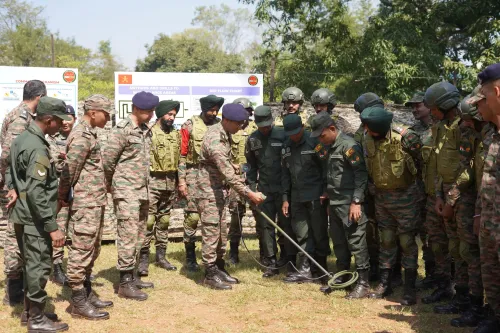
The training centred on sub-conventional operations, the kind of low-intensity, counter-insurgency and counter-terror scenarios both armies say they are most likely to face. In a post on X, the Indian Army's Additional Directorate General of Public Information (ADGPI) said the exercise covered several drills:
- area ambushes
- urban patrolling
- convoy protection
- roadblocks
- crowd control
- attack on a fortified area
The ADGPI added that the two forces also exchanged operational experiences and knowledge on drones and ISR. According to the ADGPI, the exercise further strengthened tactical proficiency, operational coordination and interoperability between the two armies.
Notably, the inclusion of drones and ISR reflects a wider shift in modern militaries. Real-time surveillance and unmanned systems are increasingly shaping tactical decisions, even in counter-terror settings.
Contingent Strength and Training Format
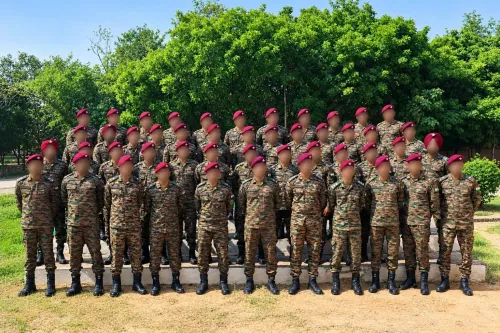
The Sri Lanka Army contingent comprised 17 Officers and 153 Other Ranks. The Indian Army fielded 19 Officers and 150 Other Ranks.
According to the Sri Lanka Army, both sides “operated seamlessly in complex Combat Team-level tactical operations” throughout the two-week programme. It said the closing addresses highlighted “the long historical bond between the two nations, the importance of joint training in sub-conventional warfare, and the role of modern tactical drills in significantly enhancing interoperability, mutual understanding and regional security cooperation between the two forces.”
Closing Ceremony at Maduru Oya
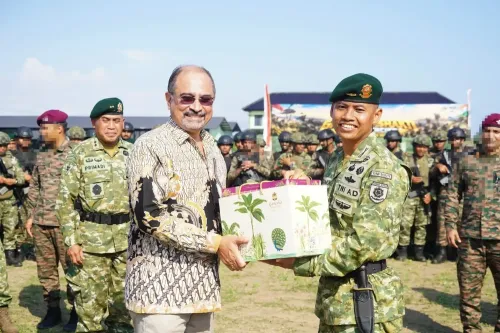
Major General W.M.N.K.D. Bandara, Commander, Security Forces (East), Sri Lanka Army and Exercise Director, attended the ceremony as Chief Guest. Brigadier A.S. Bains, Head of the Indian Delegation, was present along with senior officers from both armies.
Senior representatives from both delegations exchanged commemorative mementoes. The Sri Lanka Army described the gesture as symbolising “the enduring camaraderie and deep-rooted military diplomacy shared between the two friendly nations since the exercise's inception in 2012.”
Outstanding performers from both contingents received special awards and certificates of merit. The Indian Army contingent left Sri Lanka on 27 November.
Background and Strategic Context
On 23 November, midway through the drill, the ADGPI said the two contingents were training together to build joint capabilities for counter-terrorism operations in a semi-urban environment.
Mitra Shakti is an annual bilateral exercise held alternately in India and Sri Lanka. A Ministry of Defence statement had described it as a platform for both armies to strengthen interoperability, exchange operational experiences and share best practices in counter-terrorism operations. The statement said it also promotes “mutual understanding and professional camaraderie.”
The previous edition, the 11th, was held in Belagavi, Karnataka, from 10 to 23 November last year. This year's return to Sri Lankan soil continues the alternating format, and the stated focus on drones and ISR marks a notable addition to the training agenda.
With the 12th edition complete, attention now shifts to the next round, which is expected to take place in India under the rotation.
Point of View
Not the ceremony. Sub-conventional warfare in South Asia is increasingly shaped by cheap surveillance and unmanned systems, and joint familiarity in this area builds trust that goes deeper than goodwill. For New Delhi, steady army-to-army engagement with Colombo is a low-cost, high-value anchor in a neighbourhood where strategic competition for influence is intense. The open question is whether these annual drills turn into lasting capability-sharing, or stay a well-run ritual.
NationPress
29 Nov 2026
Frequently Asked Questions
What is Exercise Mitra Shakti?
Mitra Shakti is an annual bilateral military exercise between the Indian Army and the Sri Lanka Army, held alternately in the two countries. It began in 2012 and focuses on counter-terrorism and sub-conventional operations.
Where and when was Mitra Shakti 2026 held?
The 12th edition was held at the Army Training School in Maduru Oya, Sri Lanka, from 13 November to 26 November 2026. The Indian contingent departed Sri Lanka on 27 November.
What did the troops train on during Mitra Shakti 2026?
Troops trained on area ambushes, urban patrolling, convoy protection, roadblocks, crowd control and attack on a fortified area. They also exchanged operational experience on drones and Intelligence, Surveillance and Reconnaissance (ISR).
How many soldiers took part in Mitra Shakti 2026?
India sent 19 Officers and 150 Other Ranks, while Sri Lanka fielded 17 Officers and 153 Other Ranks. Both contingents carried out Combat Team-level tactical operations.
Where was the previous edition of Mitra Shakti held?
The 11th edition was held in Belagavi, Karnataka, from 10 to 23 November last year.