Gujarat clears ₹103.46-crore SAUNI pipeline for Devbhumi Dwarka
Synopsis
Narmada water meant for Dwarka's Sani Dam has been lost along a 35-km open riverbed to seepage, evaporation and check dams. Gujarat's ₹103.46-crore, 30-km gravity-fed closed pipeline aims to plug that leak for more than a dozen drought-hit villages, without adding any pumping cost.
Key Takeaways
Gujarat gave in-principle approval to a ₹103.46-crore pipeline under SAUNI Yojana Phase 3, Link 1 (Package 5) on 28 November 2026 .
The roughly 30-km closed pipeline will run from Vijlapar to Sani Dam and the Gadhki pump house .
It replaces a 35-km open riverbed route where water is lost to seepage, evaporation and check dams.
The gravity-based system needs no extra electricity or pumping costs.
Villages including Vijlapar, Keshod, Bhadthar, Movana and Jepur are expected to benefit.
16 fodder depots are supplying subsidised fodder to over 2.32 lakh livestock during the scarcity period.
The Gujarat government has given in-principle approval to a ₹103.46-crore pipeline project in Devbhumi Dwarka district. The pipeline will link the Sani reservoir with the Gadhki pump house under the third phase of the Saurashtra Narmada Avtaran Irrigation (SAUNI) scheme. Chief Minister Bhupendra Patel announced the decision on Saturday, 28 November 2026, saying it would cut water losses and improve water security in a district facing scarcity.
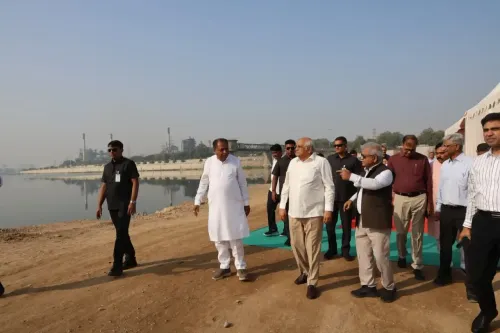
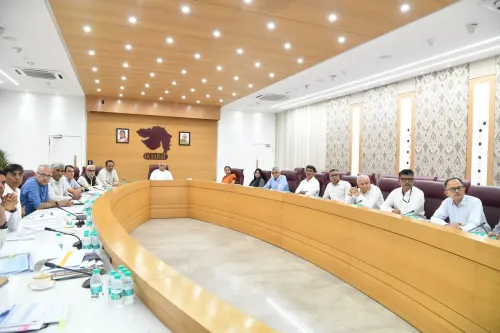
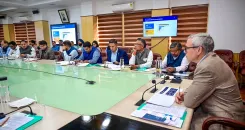
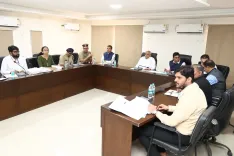
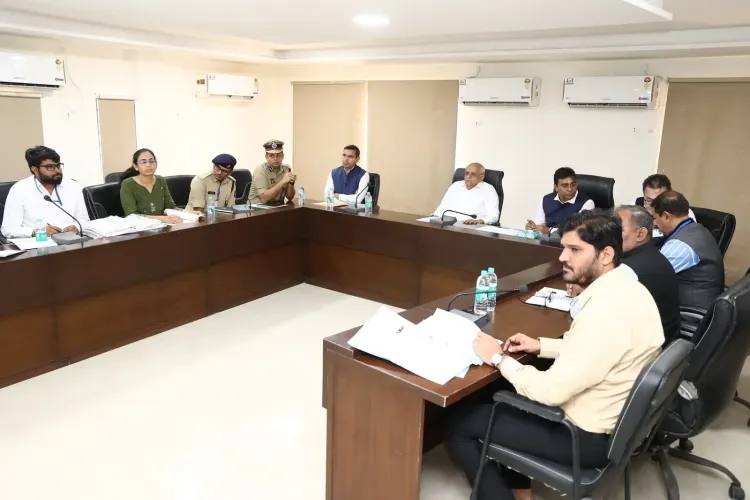
Patel made the announcement at a review meeting with district officials at the Circuit House in Devbhumi Dwarka after touring the district. The meeting assessed ongoing development works and the relief measures under way during the current scarcity situation.
Key Features of the Pipeline Project
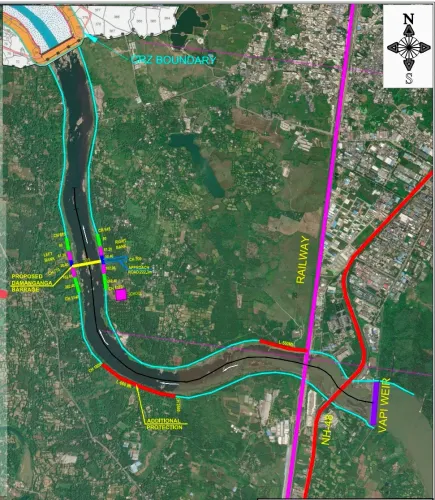
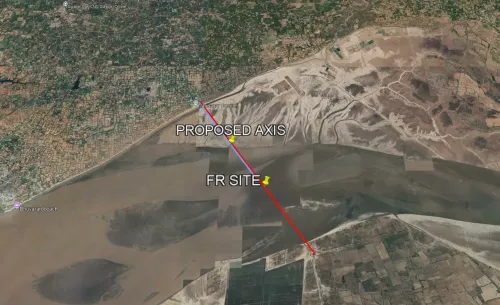
The project comes under SAUNI Yojana Phase 3, Link 1 (Package 5). It involves laying a closed pipeline from Vijlapar to Sani Dam and onwards to the Gadhki pump house. According to the state government, the pipeline will be about 30 km long.
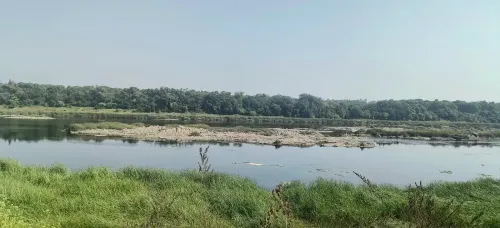
At present, Narmada water from the Pipartoda pump house reaches Vijlapar village and then flows through an open riverbed of about 35 km to Sani Dam. Along this route, a considerable quantity of water is lost to seepage into the ground, evaporation and the filling of check dams.
The closed pipeline is meant to stop these losses so that more Narmada water reaches the reservoir. The system will run on gravity, so water can move faster without extra electricity or pumping costs. The water saved will also directly benefit the Shetha Bhadthari reservoir along the route.
Villages and Farmers Set to Benefit
According to Chief Minister Patel, the project will bring lasting benefits to farmers and residents of Vijlapar, Keshod, Bhadthar, Rajpar, Chur, Madi, Kanakpar, Siddhpur, Movana, Suryavadar and Jepur, along with other nearby villages.
The project is expected to:
- improve water availability for both irrigation and drinking
- help raise groundwater levels
- strengthen the district's water security through extra storage of Narmada water, especially during droughts and years of below-normal rainfall
Scarcity Relief Measures in the District
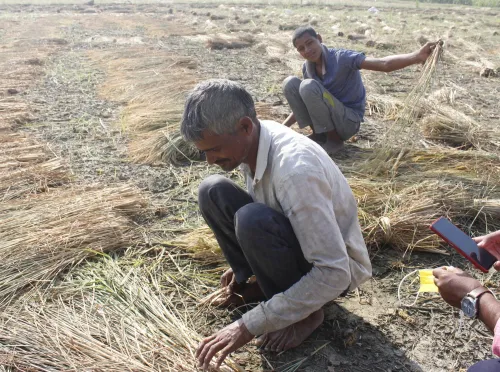
The Chief Minister also reviewed relief work for livestock and rural households. The district has set up 16 fodder depots across its talukas, supplying subsidised fodder to more than 2.32 lakh livestock.
The administration has also arranged adequate drinking water supplies. It has planned 150 days of employment under the Viksit Bharat - Guarantee for Rozgar and Ajeevika Mission (Gramin) (VB-G RAM-G) scheme.
What the Chief Minister Said
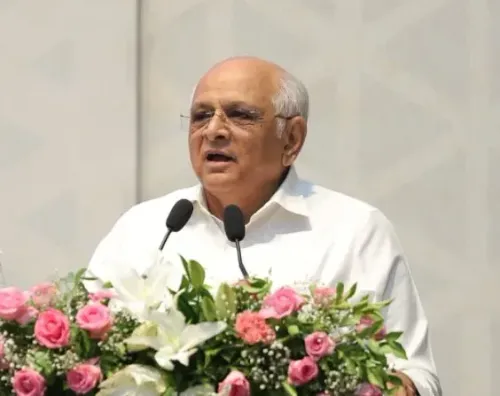
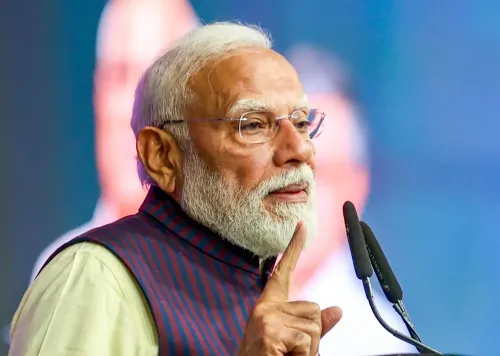
In a post on social media platform X, Patel said: “The state government stood firmly with the district's residents and farmers during the difficult period and was committed to addressing their concerns with sensitivity.” He called the pipeline approval an important step towards a permanent solution to the region's water problems.
Later in Ahmedabad, Patel attended the annual get-together of the Gujarat Chamber of Commerce and Industry (GCCI). Office-bearers and representatives of regional chambers and industry associations from across the state welcomed and felicitated him, and he extended New Year wishes to the gathering.
Those present included:
- Ahmedabad Mayor Hitesh Barot and local MLAs
- GCCI President Rajesh Gandhi, Senior Vice-President Jigish Doshi and Vice-President Hitesh Vasant
- Former President Sandeep Engineer, Secretary Navroz Tarapore, Himanshu Patel and Treasurer Dhruvil Patel
With in-principle approval granted, attention now turns to how quickly the closed pipeline can be built and whether it reaches drought-hit Dwarka villages before the next dry spell.
Point of View
And much of it is lost along an open riverbed. A gravity-fed closed pipeline is a sensible, low-running-cost fix, but in-principle approval is only the first step. SAUNI's earlier phases have faced slow completion timelines, so residents will judge this project by when water actually flows. Fodder depots and job guarantees treat the symptoms; this pipeline, if built on time, could be the real cure.
NationPress
28 Nov 2026
Frequently Asked Questions
What is the ₹103.46-crore pipeline project approved for Devbhumi Dwarka?
It is a closed pipeline of about 30 km from Vijlapar to Sani Dam and on to the Gadhki pump house, under SAUNI Yojana Phase 3, Link 1 (Package 5). It aims to reduce Narmada water losses and improve water security in the district.
Why is the pipeline needed?
Narmada water currently travels about 35 km through an open riverbed from Vijlapar to Sani Dam. Along the way, a considerable quantity is lost to seepage, evaporation and the filling of check dams.
Which villages will benefit from the project?
Vijlapar, Keshod, Bhadthar, Rajpar, Chur, Madi, Kanakpar, Siddhpur, Movana, Suryavadar, Jepur and other surrounding villages are expected to benefit. Gains include better irrigation and drinking water and higher groundwater levels.
Will the pipeline increase electricity or pumping costs?
No. The system will run on gravity, so water can be moved faster without additional electricity or pumping costs.
What relief measures are in place in Devbhumi Dwarka during the scarcity?
Sixteen fodder depots are providing subsidised fodder to more than 2.32 lakh livestock. Drinking water arrangements and 150 days of employment under the VB-G RAM-G scheme have also been planned.