How Are India and Russia Strengthening Their Anti-Terrorism Commitment?
Synopsis
In a significant reaffirmation of their alliance, Prime Minister Modi and President Putin have united in their fight against terrorism. Their discussions emphasize the urgent need for global cooperation against UN-listed terror groups. This partnership aims to strengthen security and counter-terrorism efforts that could reshape international relations.
Key Takeaways
Joint commitment to combat terrorism by India and Russia.
Emphasis on actions against UN-listed terrorist groups .
Focus on enhancing bilateral and multilateral cooperation .
Condemnation of recent terrorist attacks in both nations.
Support for humanitarian assistance in Afghanistan.
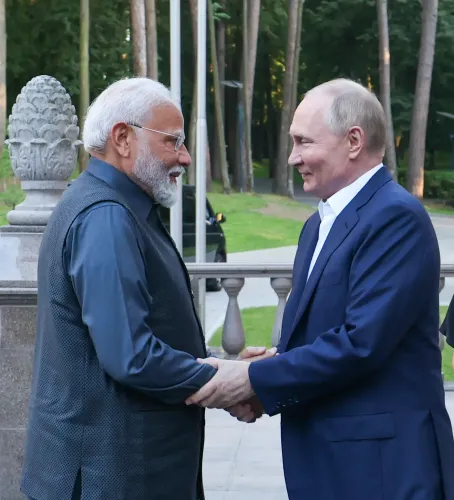
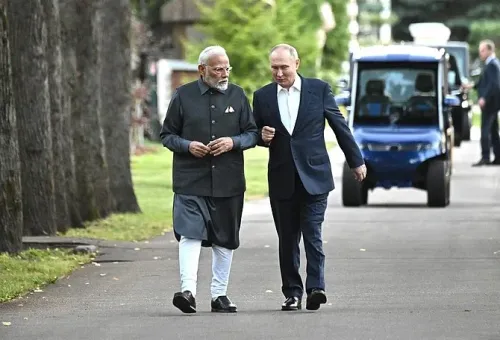
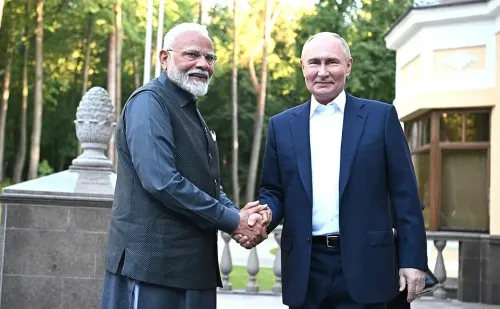
New Delhi, Dec 5 (NationPress) Prime Minister Narendra Modi and Russian President Vladimir Putin on Friday reiterated their unwavering commitment to thwarting and tackling terrorism in all its forms. They jointly emphasized the necessity for united actions against terrorist groups recognized by the UN, including Al Qaeda, ISIS/Daesh, and their affiliates.
A joint statement issued after the 23rd India-Russia Annual Summit declared, "Both nations reaffirmed their dedication to enhancing bilateral and multilateral collaboration in addressing shared challenges like terrorism, extremism, transnational organized crime, money laundering, terrorist financing, and illegal drug trafficking."
"The two leaders expressed their strong resolve to combat terrorism in all its manifestations, including the cross-border movement of terrorists and the financing networks supporting them. They categorically condemned the terrorist attacks in India at Pahalgam, Jammu and Kashmir, on April 22, 2025, and in Russia at Crocus City Hall in Moscow on March 22, 2024. They denounced all terrorist acts as criminal and unjustifiable, regardless of the religious or ideological motives behind them, whenever and wherever they may occur," it further stated.
PM Modi and Putin highlighted the importance of implementing relevant resolutions from the United Nations Security Council (UNSC) and the United Nations General Assembly (UNGA), along with a balanced execution of the UN Global Counter-Terrorism Strategy.
"They also called for joint efforts against all UN-listed terrorist groups, including Al Qaeda, ISIS/Daesh, and their affiliates, with the aim of dismantling terrorist safe havens, countering the proliferation of extremist ideologies, cutting off terrorist financing, and stopping the cross-border movement of terrorists, including foreign fighters.
"The parties urged an uncompromising battle against international terrorism and extremism in all its forms, stressing the importance of enhanced cooperation in this realm, grounded in international law and the UN Charter, free from hidden agendas and double standards," as stated in the Joint Statement.
Both nations underscored the primary responsibility of states and their relevant authorities in the fight against terrorism. They advocated for a zero-tolerance policy on terrorism and the swift finalization and adoption of a Comprehensive Convention on International Terrorism within the UN framework, alongside the implementation of UNGA and UNSC resolutions addressing terrorism and violent extremism.
The two sides acknowledged the effective coordination between India and Russia regarding Afghanistan, facilitated by the dialogue mechanism between the Security Councils of both nations. They emphasized the critical role of the Moscow Format meetings.
PM Modi and Putin welcomed the counter-terrorism initiatives against international terrorist groups, including ISIS and ISKP, expressing confidence that the anti-terrorism efforts in Afghanistan would be both comprehensive and effective. They stressed the urgent need to provide humanitarian assistance to the Afghan people.
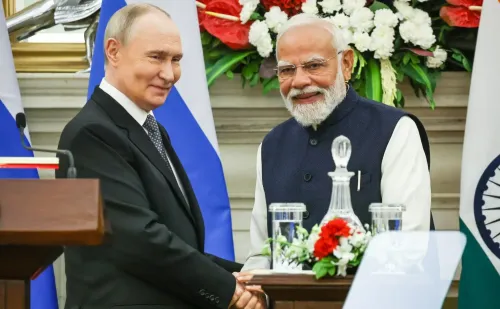
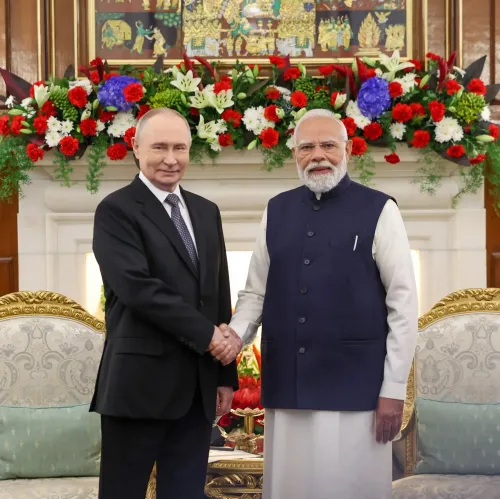
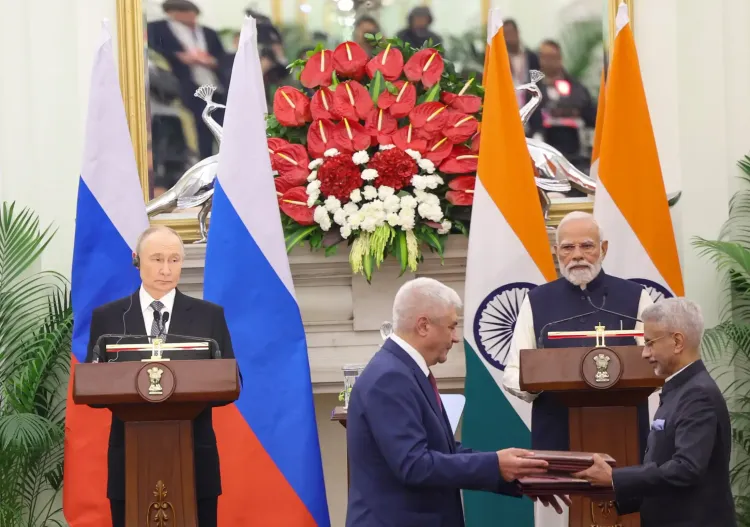
Earlier, PM Modi and President Putin engaged in discussions at Hyderabad House during the 23rd India-Russia Annual Summit, reaffirming their commitment to further bolster the Special and Privileged Strategic Partnership between both nations.
In a post on X, the Ministry of External Affairs (MEA) indicated that PM Narendra Modi and President Vladimir Putin held in-depth talks today at Hyderabad House during the summit. They deliberated on various facets of India-Russia relations, which are deeply rooted and diverse. They reiterated their mutual commitment to enhancing the Special and Privileged Strategic Partnership between the two nations.
"They also explored regional and global issues of shared interest. The leaders oversaw the exchange of several documents, including MoUs on Trade and Commerce, Migration and Mobility, Maritime Cooperation, Health and Food Safety, Fertilizers, Academic Exchanges, Media Cooperation, and strengthening People-to-People ties," it concluded.
Point of View
It is vital to acknowledge the steadfast alliance between India and Russia in addressing the pressing challenge of terrorism. Their joint efforts signify a commitment to global security and stability, which should be supported and promoted by all nations. This partnership could not only deter threats but also foster a collaborative approach to international relations.
NationPress
20 Sept 2026
Frequently Asked Questions
What was the main focus of the India-Russia talks?
The primary focus was on reaffirming their commitment to combating terrorism, particularly against UN-listed terrorist groups.
Which terrorist groups were specifically mentioned?
The leaders specifically mentioned Al Qaeda, ISIS/Daesh, and their affiliates.
What kind of cooperation did they emphasize?
They emphasized bilateral and multilateral cooperation in combating terrorism, extremism, and transnational organized crime.
What actions did they call for against terrorism?
They called for concerted actions against terrorist groups, including dismantling safe havens and countering terrorist financing.
What is the significance of the Comprehensive Convention on International Terrorism?
It aims to establish a global legal framework to combat terrorism effectively and promote international cooperation.