India-Australia PACTS: Cyber, critical tech and supply chain pact launched
Synopsis
India and Australia have moved well beyond a standard bilateral MoU — PACTS is a five-pillar architecture covering AI governance, semiconductor supply chains, cybercrime deterrence, and Indo-Pacific DPI deployment. It signals that the India-Australia strategic partnership is now explicitly technology-first, with defence research woven in.
Key Takeaways
India and Australia launched PACTS on 9 July 2025 , a comprehensive cyber and critical technology partnership.
The framework rests on five pillars : supply chain resilience, critical technology, cybersecurity, digital resilience, and defence research.
Collaboration will cover AI , space, telecommunications, biotechnology, advanced materials, and semiconductor and critical minerals supply chains.
Both nations will develop a bilateral mechanism for trusted vendor frameworks and rules-based technology trade.
PACTS also aims to scale Digital Public Infrastructure (DPI) solutions across the Indo-Pacific region.
The pact builds on the 2020 Framework Arrangement on Cyber and Cyber Enabled Critical Technology Cooperation .
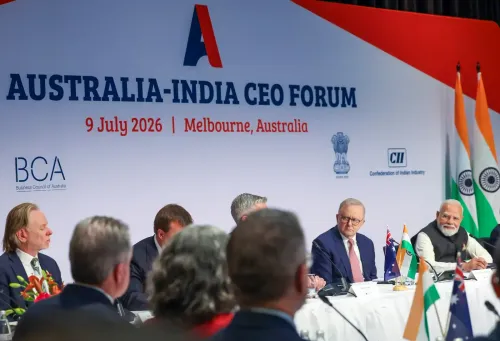
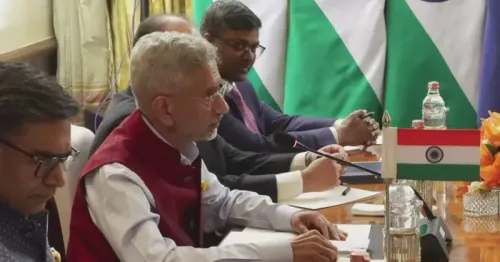
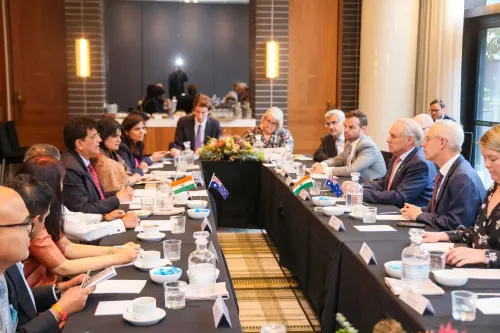
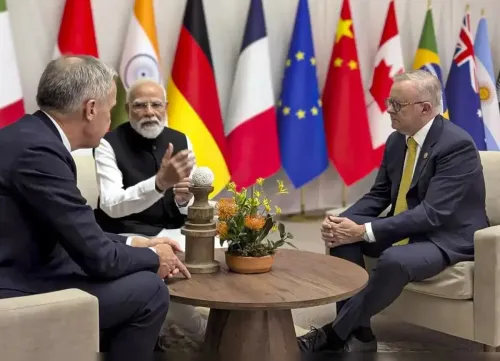
India and Australia on Thursday, 9 July 2025 formally launched the Partnership on Cyber, Critical Technologies and Supply Chains (PACTS), a landmark bilateral framework aimed at deepening cooperation across cybersecurity, emerging technologies, and supply chain resilience. The announcement, made jointly by both governments, builds on the 2020 Framework Arrangement on Cyber and Cyber Enabled Critical Technology Cooperation and signals a significant upgrade in the two nations' strategic technology relationship.
What PACTS Covers
The partnership is structured around five interrelated pillars: supply chain resilience and diversification, critical technology, cybersecurity, digital resilience, and defence research collaboration. Under each pillar, both countries will identify specific projects and opportunities for collaboration spanning the private sector, universities, research institutions, and government agencies.
According to the Ministry of External Affairs, the framework aims to 'support our shared interest in national and regional security, empower our partners with greater digital choices, make critical supply chains more resilient, and strengthen global cyber resilience.'
Supply Chains and Semiconductors
The supply chain pillar commits both nations to developing a bilateral mechanism for trusted vendor frameworks. This includes collaboration on semiconductor and critical minerals supply chains — covering recycling and recovery — alongside efforts to deepen rules-based bilateral technology trade. Both governments have pledged to promote security and safety by design and strengthen protective regulatory frameworks.
This comes amid a broader global push to diversify semiconductor sourcing away from single-country dependencies, a concern that has intensified since the 2021–22 global chip shortage.
Critical Technologies and AI
The critical technology pillar focuses on artificial intelligence (AI), space, telecommunications, biotechnology, and advanced materials. PACTS will leverage global efforts to advance international standards for trustworthy, safe, and secure AI by developing consensus-driven, multistakeholder frameworks grounded in democratic values — a framing that aligns closely with Quad-level technology governance discussions.
Notably, the cybersecurity pillar will address countering cybercrime, deterring malicious cyber activity, exchanging knowledge on technology security norms, and protecting critical national infrastructure in both countries.
Digital Resilience for the Indo-Pacific
Beyond the bilateral dimension, PACTS has a regional ambition: scaling and diffusing affordable Digital Public Infrastructure (DPI) solutions across the Indo-Pacific. Priority areas include clean and renewable energy, resilient critical infrastructure, connectivity, digital transformation, health, social protection, skills development, education, and research.
India's DPI stack — including UPI, Aadhaar, and ONDC — has already drawn interest from multiple Indo-Pacific nations, and PACTS could provide a formal channel for co-deployment with Australian technical and financial support.
Defence Research Collaboration
The fifth pillar formalises defence research partnerships, with both governments committing to 'advance a shared understanding of multi-domain defence challenges and capabilities,' according to the Ministry of External Affairs statement. This adds a security dimension that goes beyond commercial technology cooperation and reflects the deepening India-Australia Comprehensive Strategic Partnership signed in 2020.
With implementation frameworks and specific project pipelines now expected to take shape, PACTS marks one of the most structured technology cooperation agreements India has signed with any partner in recent years.
Point of View
If diplomatically understated, response to China's dominance in both. The defence research pillar is the one to watch: folding multi-domain capability development into a technology partnership blurs the line between commercial and security cooperation in ways that will matter for India's strategic autonomy calculus. The Indo-Pacific DPI angle is equally significant — India's stack is the product, and Australia becomes a co-distributor. That is a form of soft power India has rarely operationalised this explicitly.
NationPress
8 Oct 2026
Frequently Asked Questions
What is PACTS between India and Australia?
PACTS stands for Partnership on Cyber, Critical Technologies and Supply Chains, a bilateral framework launched on 9 July 2025 to deepen cooperation across cybersecurity, AI, semiconductors, supply chains, and defence research. It builds on an earlier 2020 arrangement between the two countries.
What are the five pillars of PACTS?
The five pillars are supply chain resilience and diversification, critical technology, cybersecurity, digital resilience, and defence research collaboration. Under each pillar, both governments will identify specific projects involving the private sector, universities, and research institutions.
How does PACTS address semiconductor supply chains?
Under the supply chain pillar, India and Australia will collaborate on semiconductor and critical minerals supply chains, including recycling and recovery, and will develop a bilateral mechanism for trusted vendor frameworks to secure their growing technology industries.
What role does PACTS play in the Indo-Pacific?
PACTS includes a digital resilience pillar aimed at scaling affordable Digital Public Infrastructure solutions across the Indo-Pacific, covering areas such as clean energy, health, connectivity, and education — extending the bilateral partnership into a regional development tool.
How does PACTS relate to the broader India-Australia relationship?
PACTS upgrades the 2020 Framework Arrangement on Cyber and Cyber Enabled Critical Technology Cooperation and sits within the broader India-Australia Comprehensive Strategic Partnership. It reflects a shift toward technology and security as the central axis of the bilateral relationship.