India's core industries growth accelerates to 5% in June 2026
Synopsis
India's eight — now nine — core industries clocked 5% growth in June 2026, nearly double May's pace, with iron ore surging 43.9%. The data also marks the debut of a revised ICI series with a 2022-23 base year, adding iron ore as a new constituent and tightening methodology. The quarterly picture is equally striking: Q1 FY27 cumulative growth of 3.6% versus just 1% a year ago.
Key Takeaways
India's ICI grew 5 per cent year-on-year in June 2026 , up from 3.2 per cent in May 2026.
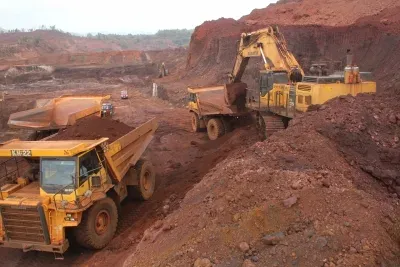
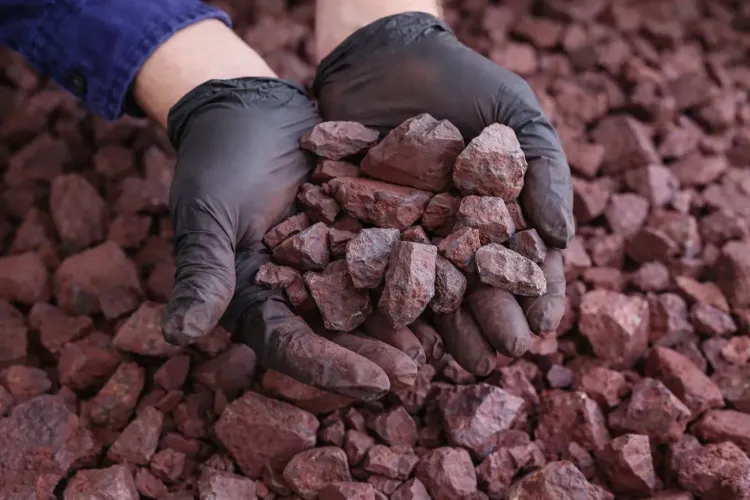
Iron ore led growth at 43.9 per cent ; electricity and cement each grew 9.8 per cent .
Natural gas , crude oil , refinery products , and fertilisers recorded negative growth in June.
Cumulative April–June 2026 ICI growth stands at 3.6 per cent , versus 1.0 per cent in the same period last year.
The DPIIT released a revised ICI series with Base Year 2022-23 , adding iron ore as the ninth core industry.
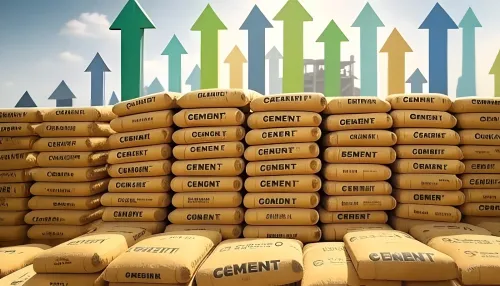
Cement demand was supported by government infrastructure spending on highways , ports , and railways .
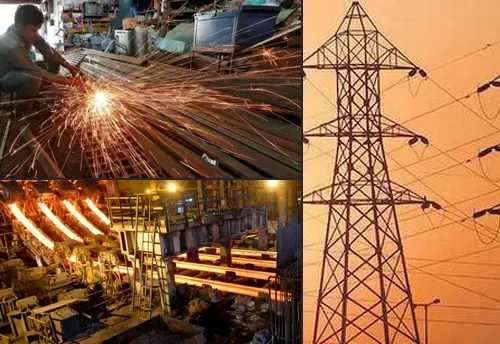
India's Index of Core Industries (ICI) expanded at 5 per cent year-on-year in June 2026, accelerating sharply from the 3.2 per cent recorded in May 2026, according to data released on Monday, 20 July. The uptick was driven primarily by strong output in iron ore, electricity, and cement, signalling a broadening industrial recovery heading into the second quarter.
Key Drivers of June Growth
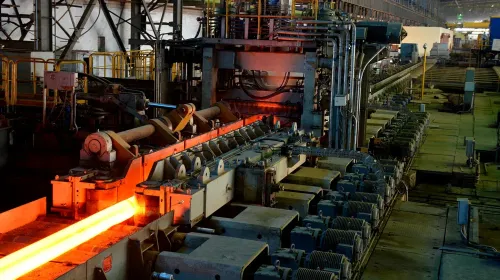
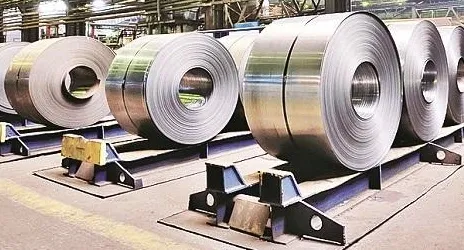
Iron ore led all sectors with a year-on-year surge of 43.9 per cent, followed by electricity and cement, each growing at 9.8 per cent. Steel posted a 4.6 per cent rise, while coal grew at a modest 1.4 per cent. On the other side, natural gas, crude oil, refinery products, and fertilisers all recorded negative growth during the month.
New ICI Series With Revised Base Year
The data comes under a revised ICI series released for the first time by the Office of the Economic Adviser, under the Department for Promotion of Industry and Internal Trade (DPIIT), with Base Year 2022-23 replacing the older Base Year 2011-12. Notably, iron ore has been added as a ninth core industry in the new series, reflecting its intensive use in industrial production. The revised series also switches to gross production data for the steel index — consistent with the Index of Industrial Production (IIP) — and retains only raw coal, excluding coal middling and washed coal to eliminate double counting.
Cement Demand Buoyed by Infrastructure Push
The cement sector's robust performance was underpinned by sustained government spending on large-scale infrastructure — including highways, ports, and railways. Demand has remained buoyant as project execution under the Centre's capital expenditure programme gathers pace, making cement one of the more reliable indicators of public investment activity on the ground.
Cumulative Q1 Performance
For the April–June 2026 period, the cumulative ICI growth rate stands at 3.6 per cent, a marked improvement over the 1.0 per cent recorded in the corresponding period of the previous year. Iron ore and electricity have been consistent drivers of ICI growth over recent months, according to official data. The quarterly improvement suggests the industrial base is gaining traction even as some energy and upstream sectors remain under pressure.
What to Watch
The drag from natural gas, crude oil, refinery products, and fertilisers warrants close monitoring, as these sectors feed into both manufacturing costs and agricultural input supply chains. With the revised ICI series now in effect, comparisons with historical data will need to account for the methodological changes. The next monthly reading will be closely watched to determine whether June's acceleration holds or moderates.
Point of View
But the headline masks a bifurcated story: iron ore's 43.9% surge is doing heavy lifting that most other sectors cannot match. Natural gas, crude oil, refinery products, and fertilisers are all in contraction — a combination that raises input-cost and food-security flags that the aggregate number obscures. The revised base year also resets the benchmark, making year-on-year comparisons with earlier series unreliable; analysts and policymakers should resist drawing linear trend lines across the old and new series. The real test of industrial momentum will come when iron ore's outsized contribution normalises and the broader basket has to carry its own weight.
NationPress
20 Oct 2026
Frequently Asked Questions
What is India's Index of Core Industries (ICI) growth rate for June 2026?
India's ICI grew at 5 per cent year-on-year in June 2026, accelerating from 3.2 per cent in May 2026. The growth was driven by iron ore, electricity, and cement.
Which sectors drove ICI growth in June 2026?
Iron ore led with a 43.9 per cent year-on-year rise, followed by electricity and cement at 9.8 per cent each, and steel at 4.6 per cent. Coal grew 1.4 per cent. Natural gas, crude oil, refinery products, and fertilisers recorded negative growth.
What is the new ICI series with Base Year 2022-23?
The DPIIT's Office of the Economic Adviser released a revised ICI series replacing the earlier 2011-12 base year series. The new series adds iron ore as a ninth core industry, uses gross production data for steel, and excludes coal middling and washed coal to prevent double counting.
What is India's cumulative core industries growth for April–June 2026?
The cumulative ICI growth rate for April–June 2026 stands at 3.6 per cent, compared to just 1.0 per cent in the same period of the previous year — a significant improvement in quarterly industrial momentum.
Why did the cement sector perform well in June 2026?
Cement demand remained buoyant due to large government investments in infrastructure projects including highways, ports, and railways. Sustained public capital expenditure has kept construction activity elevated, supporting cement output.