India slips to 28th in Climate Change Performance Index 2026, down 5 places

Synopsis
India has slipped five spots to 28th in the CCPI 2026, even as it hit a landmark — 50% non-fossil electricity capacity — five years ahead of schedule. The paradox at the heart of this ranking: India is building clean energy faster than its grid can absorb it, with 2.3 TWh of solar curtailed in just seven months. The capacity is there; the system to use it isn't — yet.
Key Takeaways
India ranked 28th in the CCPI 2026 , sliding five places from the previous year, retaining an overall medium rating .
India earned a high rating in renewable energy; non-fossil sources hit 50% of installed electricity capacity by June 2025 — five years ahead of the 2030 NDC target.
Energy think-tank Ember estimates India curtailed 2.3 TWh of solar generation between late May and December 2025 due to grid constraints.
The Carbon Credit Trading Scheme has assigned emissions-intensity targets to 490 industrial entities since January 2026 .
India's 2035 NDC targets include a 47% reduction in GDP emissions intensity from 2005 and 60% non-fossil installed capacity.
Rankings were released during COP31 in Antalya, Turkey ; the top three CCPI positions remain empty as no country met the 'very high' threshold.
India dropped five places to rank 28th in the Climate Change Performance Index (CCPI) 2026, an independent tool that monitors the climate mitigation performance of 64 countries and the European Union, according to the index published on Thursday, 12 November 2026. Despite the slide, India retains an overall medium rating across greenhouse gas (GHG) emissions, energy use, and climate policy, while earning a high rating in the renewable energy category.
Rankings in Context
The CCPI results were released on the sidelines of the 31st Conference of Parties (COP31) to the United Nations Climate Change Conference, currently underway in Antalya, Turkey. Rankings are derived from individual country scores across four categories encompassing 14 indicators. Notably, the top three positions remain vacant — no country performed well enough in every category to earn a 'very high' overall rating, underscoring how even the best-performing nations fall short of what experts say is needed to prevent hazardous climate change.
India's Renewable Energy Progress
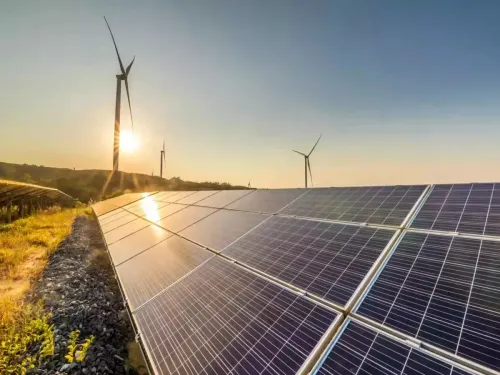
The index acknowledges significant strides in India's clean energy transition. Competitive procurement mechanisms, rooftop solar support, and domestic manufacturing incentives have collectively accelerated renewable energy deployment. By June 2025, non-fossil sources — including nuclear power as well as renewables — accounted for 50 per cent of India's cumulative installed electricity capacity, reaching this milestone five years ahead of the previous 2030 Nationally Determined Contribution (NDC) target.
CCPI country experts also welcomed progress in solar and wind capacity, rooftop installations, and the uptake of electric vehicles (EVs). By August 2026, urban rail connectivity had been extended to 26 cities, signalling sustained public investment in low-carbon transport.
Grid Constraints and Operational Gaps
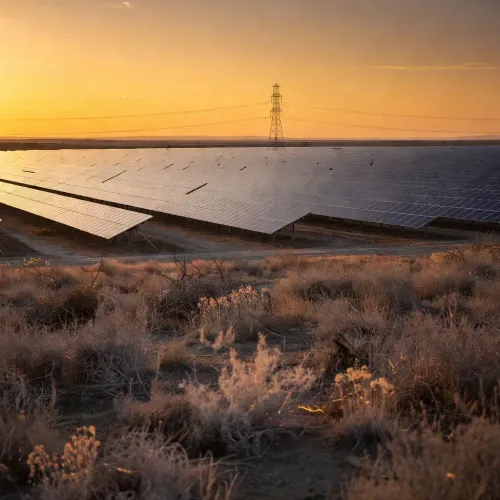
Despite the capacity surge, experts flag a structural mismatch between renewable energy deployment and the development of transmission, distribution, and storage infrastructure. Energy think-tank Ember estimates that India curtailed 2.3 terawatt-hours (TWh) of solar generation between late May and December 2025 to maintain grid security — a figure that reflects limited flexibility in conventional generation and operational constraints yet to be resolved.
Coordinated investment in grids, storage, demand flexibility, and flexible power plant operations, according to experts, is essential to translate installed capacity into actual renewable generation and fossil fuel displacement.
India's 2035 Climate Targets and Expert Debate
India's NDC for 2031–2035 sets the following targets for 2035: a 47 per cent reduction in the emissions intensity of GDP from 2005 levels; approximately 60 per cent of cumulative installed electricity capacity from non-fossil sources; and a forest and tree-cover carbon sink of 3.5–4 billion tonnes of carbon dioxide equivalent compared to 2005 levels.
Views among experts are divided. Some civil society experts call for a progressive shift toward pathways targeting absolute emissions reductions, while a think-tank expert questions the near-term practicality of such a pivot given India's development needs and rising electricity demand. Another expert favours reporting absolute emission trends alongside intensity targets.
The Carbon Credit Trading Scheme, operational since January 2026, has assigned emissions-intensity targets to 490 industrial entities. Experts stress the importance of ambitious targets, credible verification, and demonstrated emissions reductions. They also identify gaps in building code coverage, enforcement, and appliance compliance in informal markets.
What Comes Next
Experts point to clean electrification beyond transport — particularly in industry, freight, and cooking — as a key lever to reduce fossil fuel dependence while supporting energy security and competitiveness. As COP31 deliberations continue in Antalya, India's rank and the expert critique of its grid readiness are likely to feature in multilateral negotiations on climate finance and technology cooperation.
Point of View
But curtailing 2.3 TWh of solar in under a year because the grid cannot absorb it reveals a systemic bottleneck that headline capacity numbers obscure. The debate over absolute versus intensity-based emissions targets is also unresolved, and India's NDC framing — GDP emissions intensity — gives the government flexibility that climate advocates argue is insufficient at this stage of the global emergency. Without credible grid investment timelines and a verifiable verification framework for the Carbon Credit Trading Scheme, India's strong renewable buildout risks becoming a stranded asset story rather than a clean energy success.
NationPress
12 Nov 2026
Frequently Asked Questions
What is India's rank in the Climate Change Performance Index 2026?
India ranked 28th in the CCPI 2026, a drop of five places from the previous year. It retains an overall medium rating but earns a high rating specifically in the renewable energy category.
What is the Climate Change Performance Index (CCPI)?
The CCPI is an independent monitoring tool that tracks the climate mitigation performance of 64 countries and the European Union. Rankings are based on scores across four categories and 14 indicators covering GHG emissions, energy use, renewable energy, and climate policy.
Why did India's renewable energy category receive a high rating despite the overall slide?
India earned the high renewable energy rating because non-fossil sources reached 50 per cent of cumulative installed electricity capacity by June 2025, five years ahead of the previous 2030 NDC target. Competitive procurement, rooftop solar programmes, and domestic manufacturing incentives drove this progress.
What are the key gaps experts identified in India's climate performance?
Experts flagged a mismatch between renewable capacity and grid infrastructure — Ember estimates 2.3 TWh of solar was curtailed between late May and December 2025 due to grid constraints. Additional gaps include building code enforcement, appliance compliance in informal markets, and the need for affordable bus services and active transport support.
What are India's climate targets for 2035 under its latest NDC?
India's NDC for 2031–2035 targets a 47 per cent reduction in GDP emissions intensity from 2005 levels, approximately 60 per cent of installed electricity capacity from non-fossil sources, and a forest and tree-cover carbon sink of 3.5–4 billion tonnes of CO₂ equivalent by 2035.