Is the India-EU Deal Causing Panic Among Khalistani Groups?
Synopsis
The India-EU Free Trade Agreement is raising alarms among Khalistani factions, who fear that strengthened ties will give India more power to combat terrorism linked to their movements. This article explores the implications of this pact for both sides.
Key Takeaways
The India-EU Free Trade Agreement enhances economic cooperation.
Khalistani groups face increased scrutiny and pressure.
India's counter-terrorism efforts may gain momentum.
EU nations are beginning to act against terrorist affiliations.
The Security of Information Agreement is crucial for collaboration.
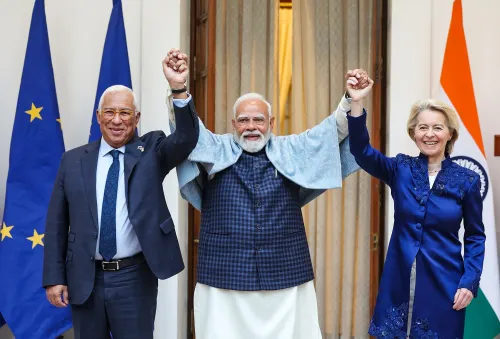
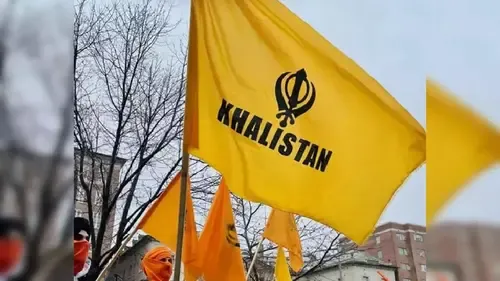
New Delhi, Jan 28 (NationPress) The India-European Union Free Trade Agreement is often termed as the mother of all trade agreements. While this accord offers substantial advantages for both parties, it has left the Khalistani factions feeling unsettled. They perceive the enhanced collaboration between the European Union (EU) and India as a means for India to gain more authority to act against Khalistani operatives.
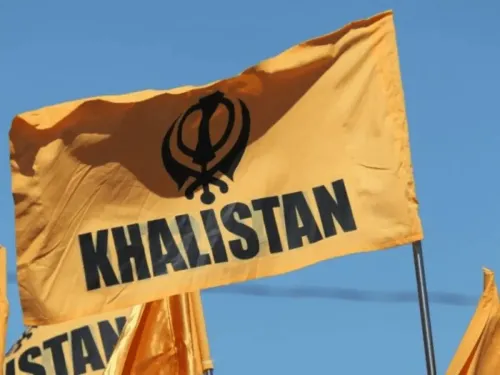
Khalistani factions, which have established their presence in countries like Canada, Germany, and the United Kingdom, fear that this newfound closeness between India and the EU could jeopardize their movement. Groups such as Babbar Khalsa International (BKI) and Sikhs for Justice (SFJ) have previously thrived under the lenient policies of European governments.
These nations have often utilized the excuse of free speech to enable such groups to operate and propagate anti-India sentiments. Conversely, India has consistently pointed out to these nations that these groups are classified as terrorist organizations under Indian law and pose significant threats.
The anxiety among these groups is palpable, as indicated by a statement from SFJ leader Gurpatwant Singh Pannun, who claimed, “What the EU celebrates today as a Free Trade Deal will lead to a Free Transnational Terrorism Agreement.”
An official from the Intelligence Bureau noted that, while there is evident panic due to this agreement, such declarations are also intended to incite violence and hatred towards Indians residing in European nations. The aim is to motivate sympathizers to act against Indian nationals in these countries.
Experts note that countries like the United Kingdom and Canada have begun to take action against these groups after India presented substantial evidence of their terrorist affiliations. The agreement with the EU exacerbates the situation for these factions, as both parties have committed to enhanced cooperation on terrorism-related issues, according to officials.
Another official indicated that Pannun and his associates have made several attempts to amplify their movement. What was envisioned as a widespread movement against India has turned into a marginal effort. By criticizing India and the EU, the Khalistani groups aim to internationalize their cause, which one official described as a mere publicity stunt by Pannun.
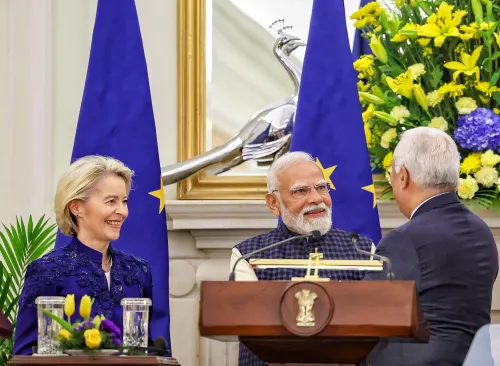
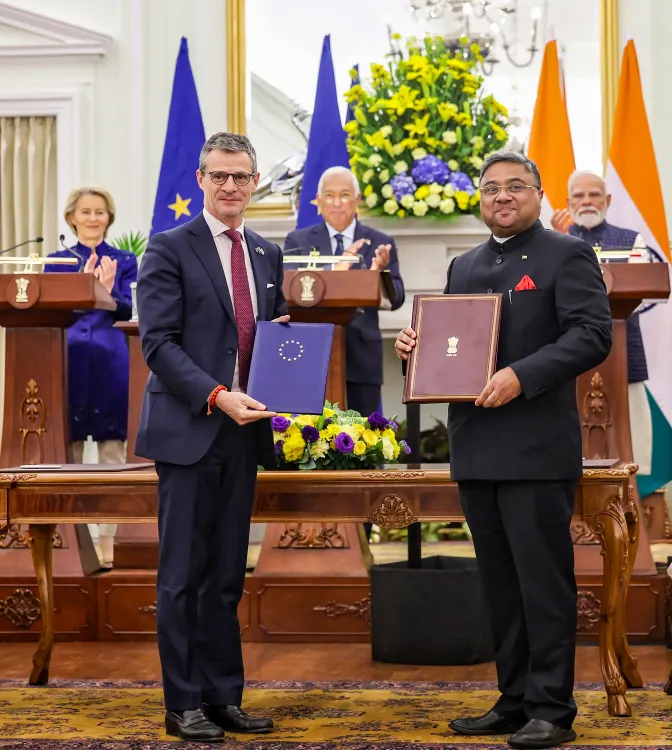
Following the signing of the deal, Prime Minister Narendra Modi asserted that the security and defense partnership between India and the EU would strengthen efforts in counter-terrorism, maritime security, and cyber defense. A joint statement from both sides expressed their support for the EU-India Security and Defence Partnership, a significant framework designed to enhance collaboration in various fields including maritime security, defense technology, cyber threats, and counter-terrorism.
They also acknowledged the initiation of negotiations on a Security of Information Agreement aimed at facilitating the exchange of classified information to bolster cooperation in security and defense.
Counter-terrorism specialists argue that with such a strong focus on security collaboration, Khalistani forces are understandably concerned. After expressing apprehension, Pannun reverted to issuing threats against India, warning of potential disruptions during the Beating Retreat Ceremony on January 29 and further attacks in India, while urging the EU to recognize the alleged oppression of the Sikh community.
The Khalistani factions have been misleadingly asserting that Sikhs are endangered in India. If this were true, the movement would have gained momentum in no time in Punjab. The lack of traction indicates that, contrary to their claims, there is no oppression.
Meanwhile, the ISI is reportedly trying to revive the Khalistani movement in Punjab by smuggling arms and ammunition via drones. Additionally, drug trafficking routes are active as the ISI seeks to fund both the Khalistan movement and terrorist organizations operating in Jammu and Kashmir.
Point of View
It is crucial to understand the implications of the India-EU Free Trade Agreement on national security. While the deal opens avenues for economic growth and strategic partnerships, it also presents challenges, particularly concerning the Khalistani movement. It is imperative to remain vigilant and informed about how international relations evolve in the context of counter-terrorism efforts.
NationPress
20 Sept 2026
Frequently Asked Questions
What are the main concerns of Khalistani groups regarding the India-EU deal?
Khalistani groups fear that the enhanced cooperation between India and the EU will enable India to target and suppress their operations more effectively.
How has the EU responded to India's concerns about Khalistani groups?
The EU has been cautious but has recently started to take action against these groups following evidence presented by India regarding their terrorist activities.
What impact does the India-EU deal have on international relations?
The deal enhances strategic cooperation between India and the EU, particularly in areas of security and counter-terrorism, which may impact the activities of Khalistani groups operating in Europe.
What is the significance of the Security of Information Agreement?
The Security of Information Agreement aims to facilitate the exchange of classified information between India and the EU, enhancing cooperation in security and defense matters.
How are Khalistani groups attempting to sustain their movement?
Khalistani groups are attempting to internationalize their cause and are reportedly receiving support from entities like the ISI, which is trying to revive the movement through various means.